Your First Visit to Cairo's Citadel of Saladin
Explore Cairo’s historic hilltop fortress, from the Mosque of Muhammad Ali to its museums and panoramic viewpoints, with practical tips on tickets, opening hours, and getting there.
Quick answer
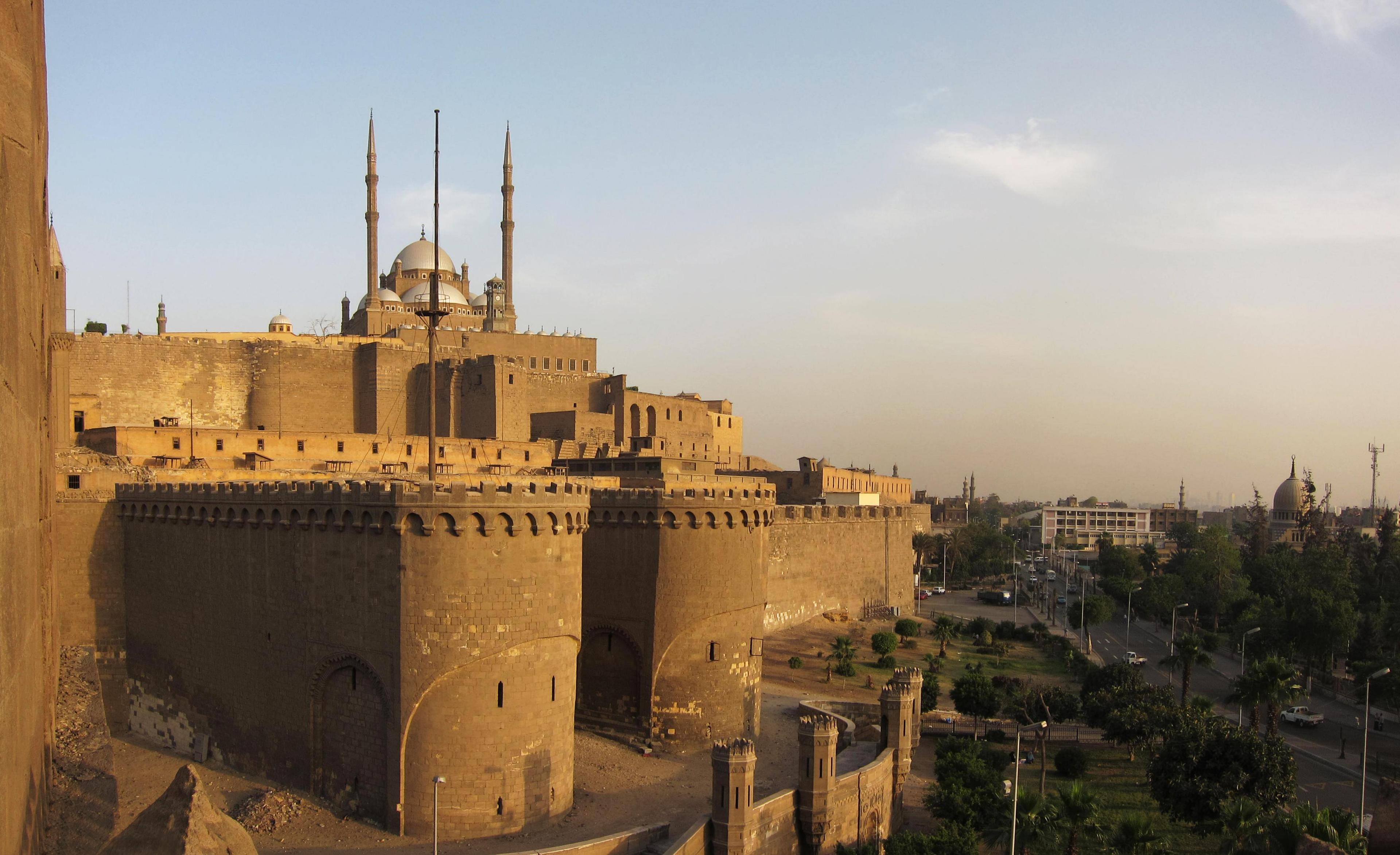
The Citadel of Saladin is one of Cairo’s most important historic landmarks, known for the Mosque of Muhammad Ali, medieval architecture, museums, and panoramic views of the city. Allow around 2–3 hours to explore its main highlights. Wear comfortable walking shoes and modest clothing, and check the latest ticket prices and opening hours before your visit.
What Is the Citadel of Saladin?
Salah al-Din al-Ayyubi broke ground on this fortress in 1176, choosing Mokattam Hill on the eastern edge of Cairo for a clear tactical reason: the height gave defenders a commanding view over the city below. His goal was to shield Cairo and the older settlement of Fustat from Crusader attacks, and to anchor a massive defensive wall stretching roughly 20 kilometres around both cities.
Saladin never lived to see it finished. Construction continued under his successors, and the Citadel became the seat of Egyptian government for around 700 years, passing through the hands of the Ayyubids, Mamluks, Ottomans, and finally Muhammad Ali Pasha, before power shifted to Abdeen Palace in the 1870s. Each ruler added or rebuilt, which is why the compound today holds mosques, palaces, and museums from completely different eras.
The site carries UNESCO World Heritage status as part of Historic Cairo, recognised in 1979. One combined ticket, priced at 550 EGP for foreign adult visitors as of 2026, covers every mosque, museum, and viewpoint inside the walls. Verify the current rate at your booking point, as Egyptian monument prices update periodically. Payment at the gate is card-only, so bring a debit or credit card. The Citadel opens daily from 08:00 to 17:00, with last entry at 16:00, and closes earlier during Ramadan, per site information current to 2026.
What to See Inside the Citadel of Saladin
Mosque of Muhammad Ali (Alabaster Mosque)
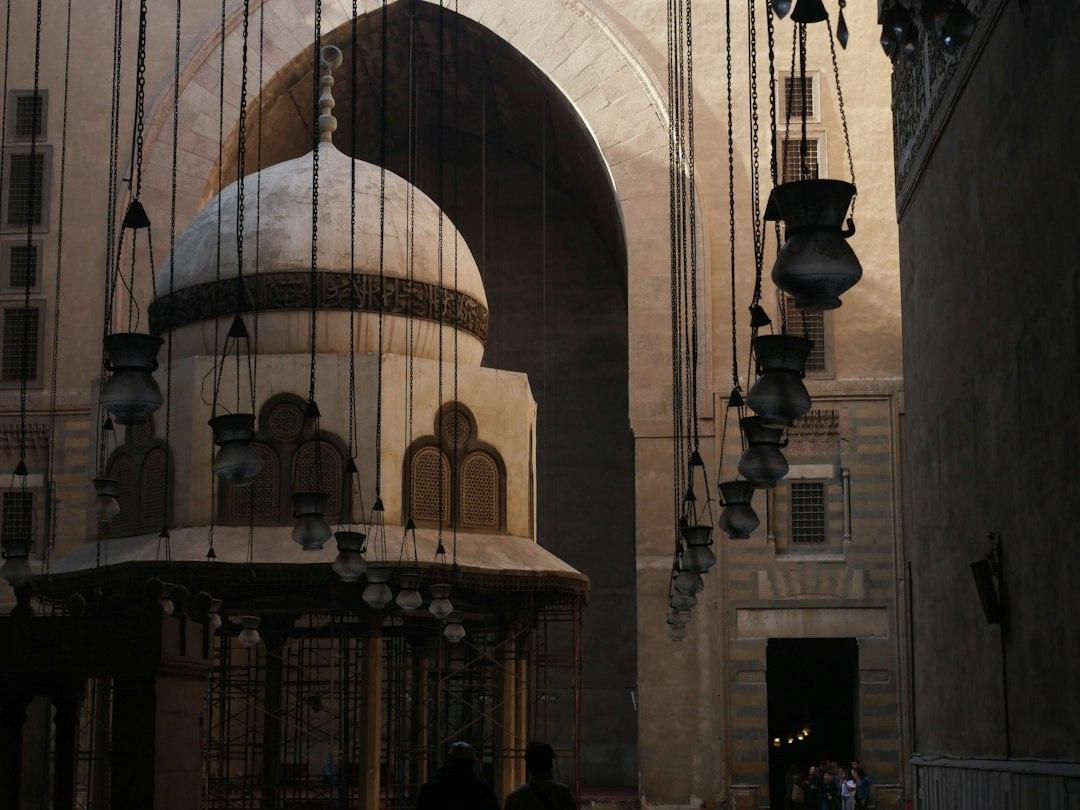
This is the Citadel's centrepiece and the building most people come to see. Step inside the main prayer hall and the scale takes over immediately: the central dome rises 52 metres above the floor, four semi-domes fan out beneath it, and rows of hanging lamps drop low over the carpeted space. The lower walls are clad in alabaster up to 11 metres high, which shifts colour as the light changes through the day. Muhammad Ali's tomb sits in the southwestern corner behind an ornate screen.
The Western Terrace Viewpoint
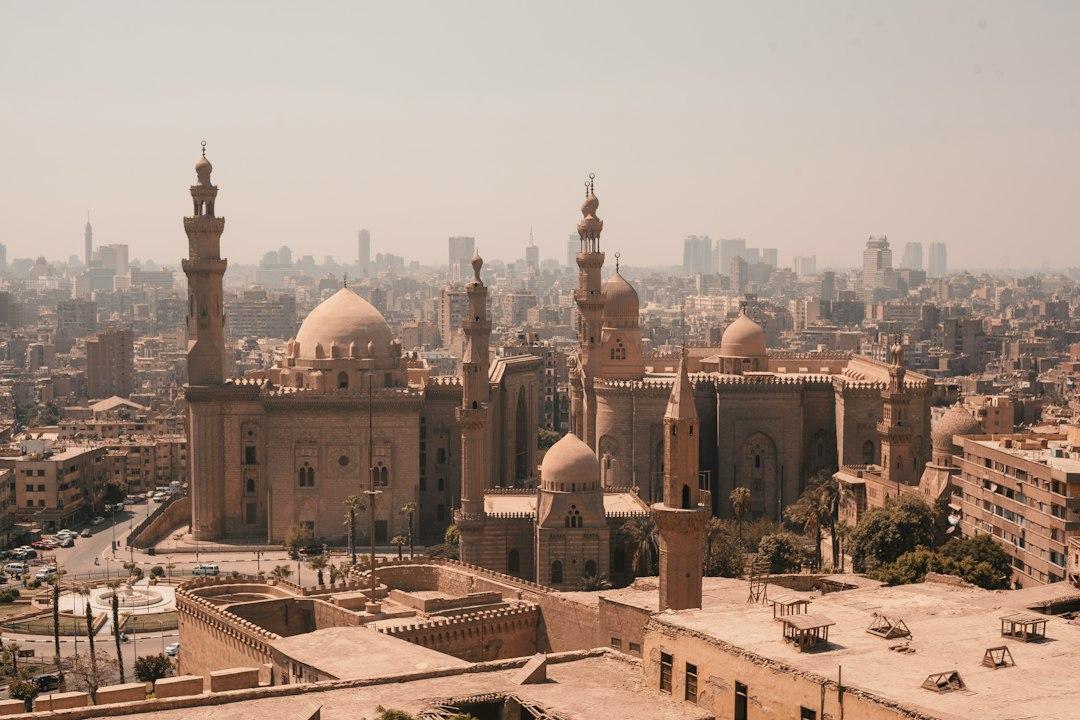
Walk out to the terrace directly below the Alabaster Mosque and you get one of the best free panoramas in central Cairo, included in your 550 EGP ticket. The forest of minarets and domes that makes up Islamic Cairo fills the foreground. The Mosque-Madrassa of Sultan Hassan sits almost directly below. On a clear winter morning, roughly 20 kilometres west, the Giza Pyramids emerge as faint shapes on the horizon. Arrive early for the sharpest air and the softest light.
Mosque of al-Nasir Muhammad
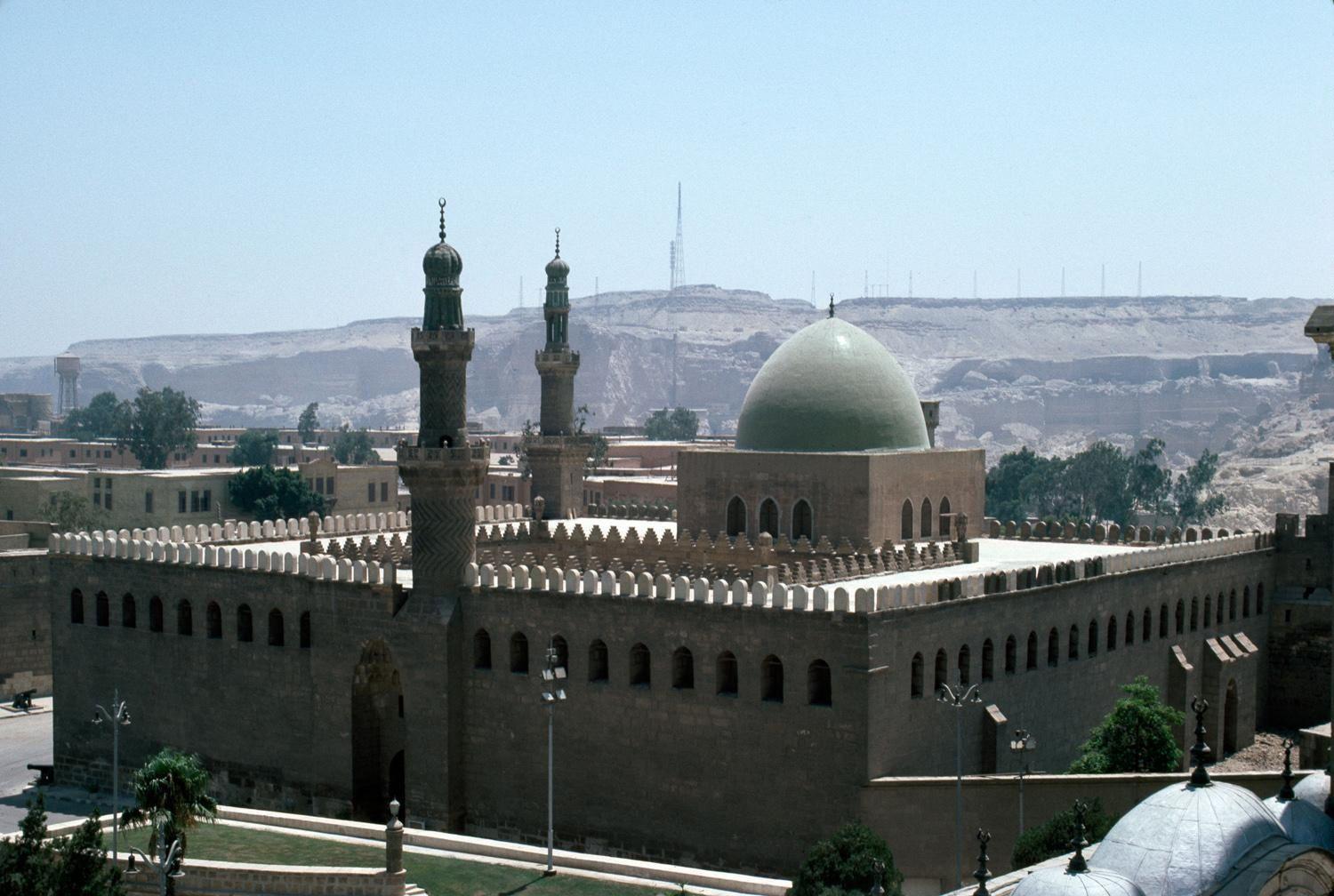
Built between 1318 and 1335, this Mamluk mosque is one of the oldest structures still standing inside the Citadel and the one that gives you a genuine sense of medieval Cairo rather than its Ottoman successor. Its two minarets are distinctive for their green-tiled tops, a feature you will not find on any other mosque in the complex. The courtyard is calm and rarely crowded, making it a good contrast to the busier Alabaster Mosque next door.
Al-Gawhara Palace Museum
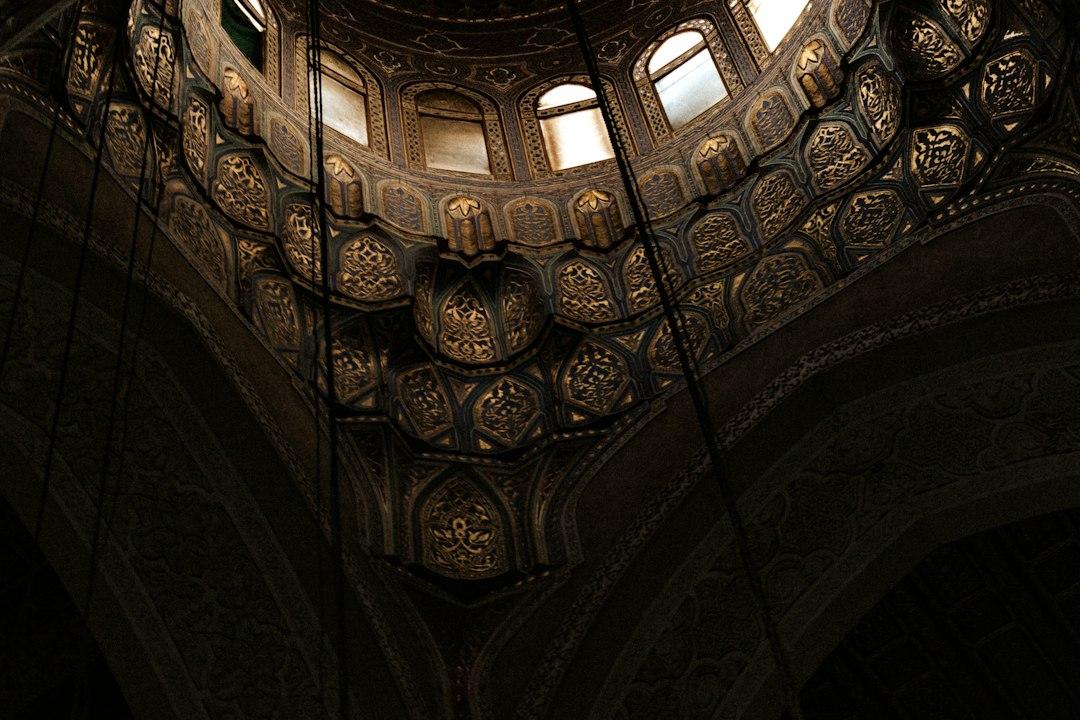
Commissioned by Muhammad Ali Pasha in 1814, this two-storey pavilion served as his official reception hall and residence. Today it functions as a museum displaying royal belongings, gifts, and personal items from the Muhammad Ali dynasty up to King Farouk, per cairo.gov.eg. Walk through the grand halls to see painted ceilings, muralled walls, and ornate lighting that blends European rococo with Ottoman decorative styles. Most visitors need 45 to 60 minutes here.
The National Military Museum
Inaugurated on 20 November 1949, per the official Cairo Governorate portal (cairo.gov.eg), this is the largest of the three museums inside the Citadel. Its halls trace Egypt's military history from the Pharaonic era through to the modern period, with displays of uniforms, weapons, royal carriages, and campaign artefacts. Plan for at least 30 minutes and confirm current visitor access at the gate, as opening arrangements for individual halls can vary.
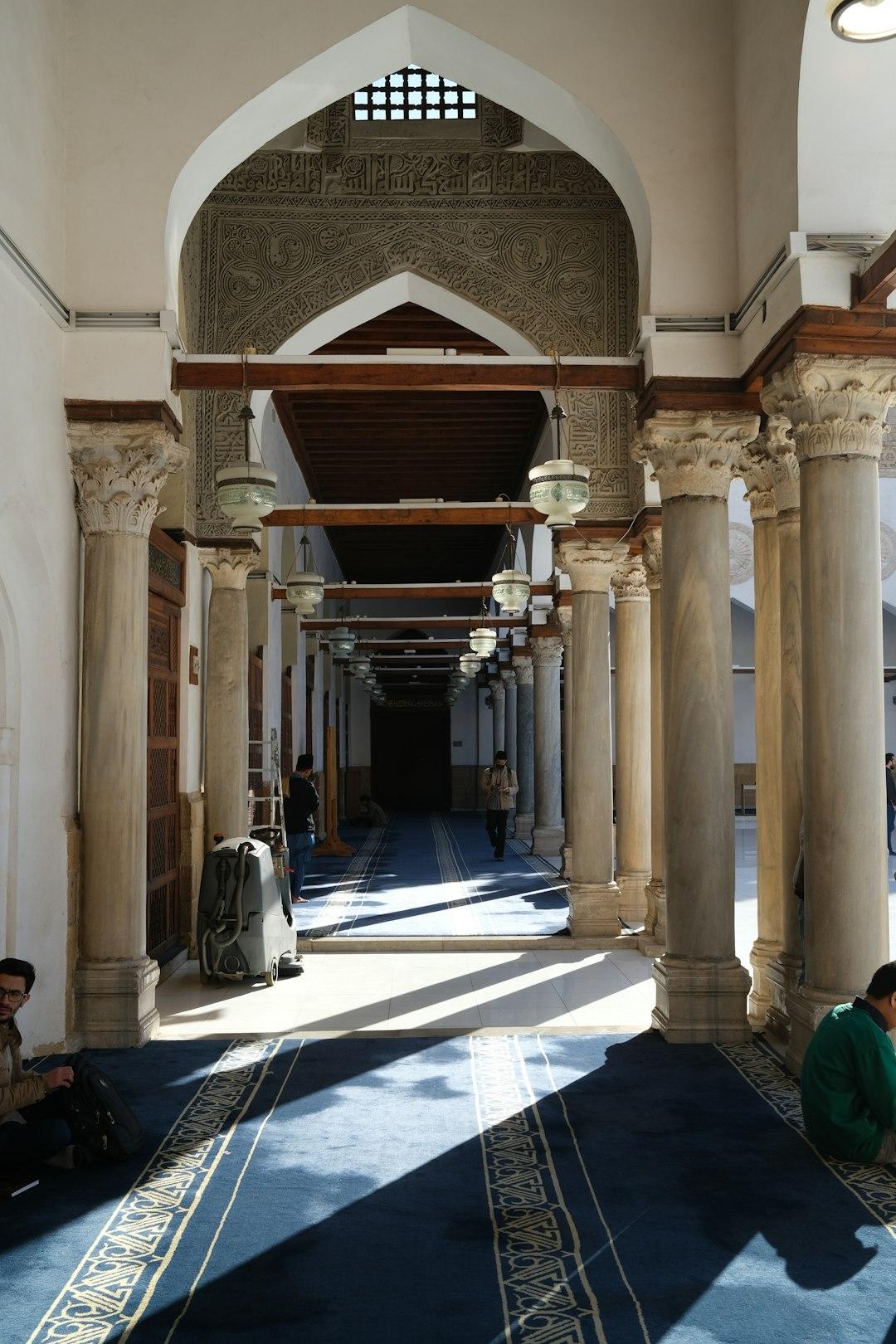
Mosque of Sulayman Pasha
Built in 1528, this is the Citadel's oldest Ottoman-era mosque and one of the few surviving examples of classical Ottoman religious architecture anywhere in Cairo, per barcelo.com. It sits in the Northern Enclosure near the old Janissary barracks and is far more modest in scale than the Alabaster Mosque. That restraint is the point: the tiled interior and compact proportions feel closer to Istanbul than to the grand imperial gestures elsewhere on the hill.
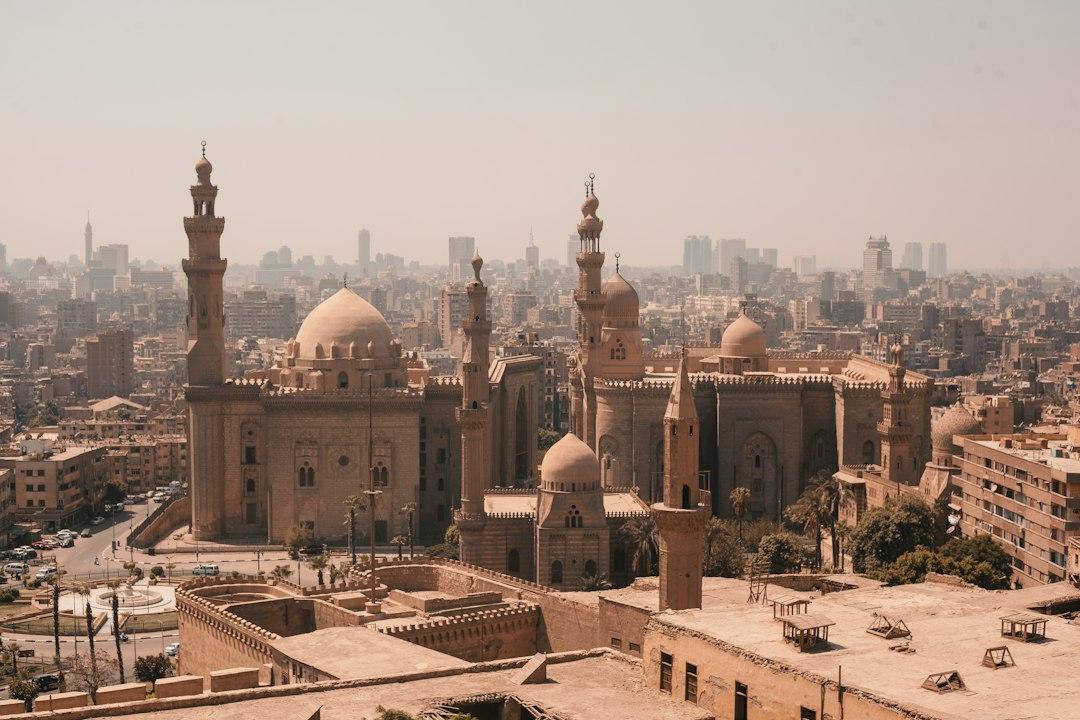
The National Police Museum
Opened on 25 January 1986, per cairo.gov.eg, this compact museum occupies the northwestern part of the Citadel in a spot that was once known as Al-Alam Square. Exhibits cover the development of Egyptian law enforcement through historical uniforms, photographs, rare documents, and cases from famous criminal investigations. It takes about 20 minutes to move through, and the terrace just outside it offers one of the best unobstructed views of the Islamic Cairo skyline.