5 Cairo Museums Worth Visiting Beyond the GEM
Explore five museums in Cairo beyond the Grand Egyptian Museum, from ancient Egyptian treasures and royal mummies to Islamic art, Coptic heritage, and historic palaces.
Quick answer
Looking for museums to visit in Cairo beyond the Grand Egyptian Museum? Start with the National Museum of Egyptian Civilization for its Royal Mummies Hall or the Egyptian Museum in Tahrir Square for its extensive ancient collection. The Museum of Islamic Art, Coptic Museum, and Gayer-Anderson Museum offer more ways to explore Cairo’s history, art, and architecture.
5 Museums to Visit in Cairo, Egypt, Beyond the Grand Egyptian Museum
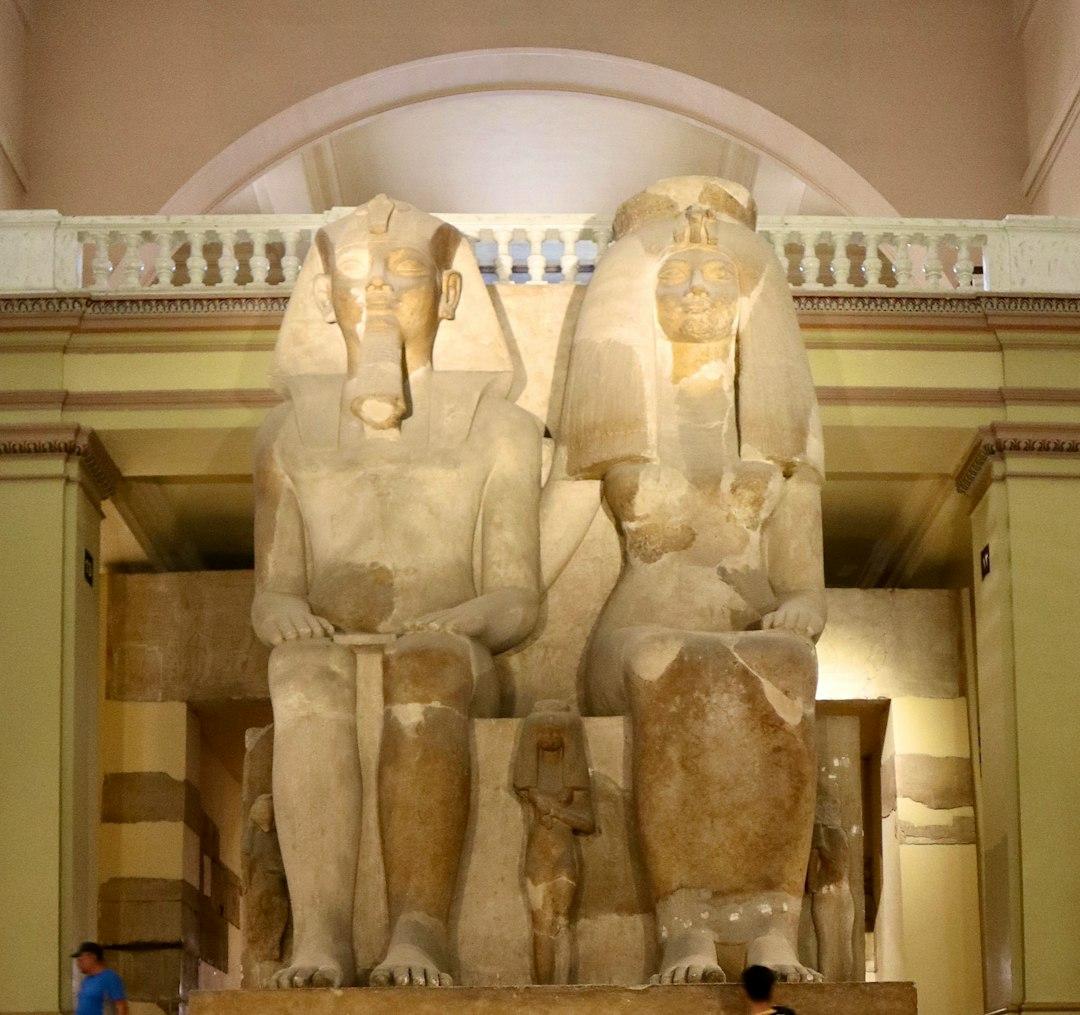
National Museum of Egyptian Civilization (NMEC)
The NMEC in Fustat, Old Cairo, covers 7,000 years of Egyptian history in one building, from prehistoric settlements on the Nile to the modern republic. That alone sets it apart from every other museum on this list. The star draw is the Royal Mummies Gallery, where 20 royal mummies rest in a purpose-built, climate-controlled hall. Egyptian adult tickets are 90 EGP (students 45 EGP), per the official egymonuments.gov.eg portal as of October 2026. The museum opens daily 9:00–17:00, with a bonus Friday evening session from 18:00–21:00. Get there by Metro to Mar Girgis station, then a 10-minute walk. Best for: families and anyone who wants the full Egyptian story in one visit.
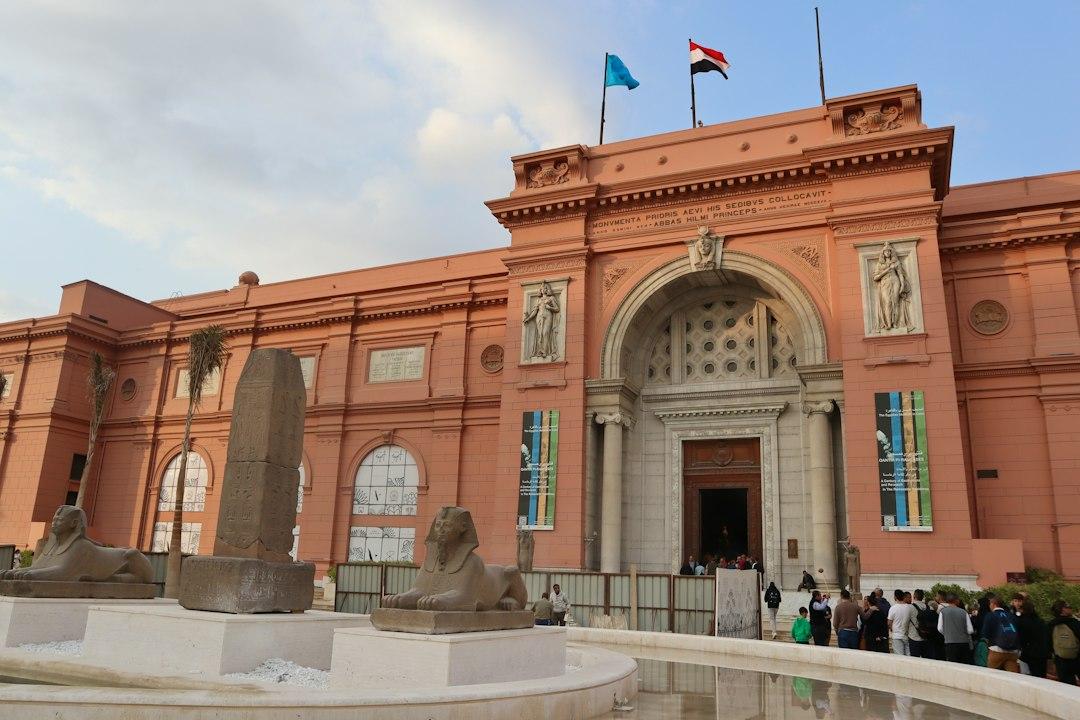
Egyptian Museum, Tahrir Square
Opened in 1902, this pink neoclassical building on Tahrir Square still holds over 120,000 ancient artefacts across 2 floors and 100-plus galleries. The Tutankhamun collection has moved to the GEM, but the Narmer Palette, the Treasure of Tanis, and the burial equipment of Yuya and Thuya remain here. Egyptian nationals pay just 30 EGP for adults and 10 EGP for students, per alrahhal.net citing official prices checked in October 2026. Hours run daily 9:00–17:00 with the ticket office closing at 16:00. The museum sits a short walk from most Downtown Cairo hotels and is not air-conditioned, so an early-morning visit is the smart move in summer. Best for: serious archaeology fans who want depth without the GEM crowds.
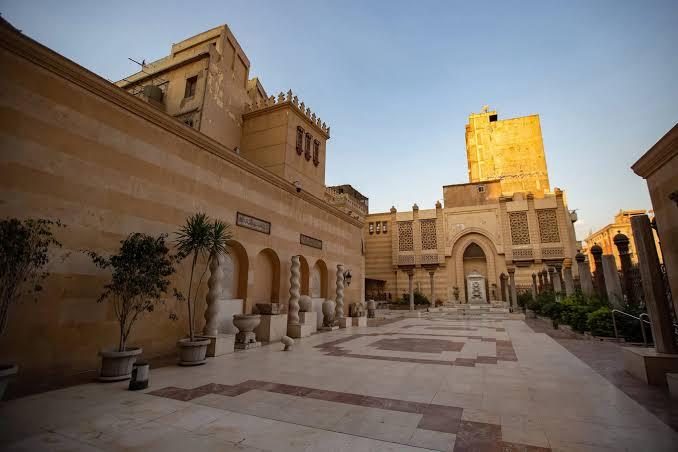
Museum of Islamic Art
Bab al-Khalq has been home to this collection since 1903, and the building itself is a Mamluk-revival landmark worth seeing from the outside before you walk in. Inside, 25 galleries display roughly 4,500 objects drawn from a total holding of over 100,000 pieces, spanning twelve centuries of Islamic art from Umayyad to Ottoman. Mosque lamps, Quran manuscripts, carved woodwork, and Persian ceramics sit alongside Cairene metalwork you will not find reproduced anywhere else. Egyptian adult tickets are 20 EGP and student tickets 10 EGP, per the official Ministry of Tourism and Antiquities price sheet. The museum opens daily 9:00–17:00, with a midday break on Fridays from 11:30–13:30. Pair it with an afternoon walk up Al-Muizz Street for maximum value. Best for: history buffs, design lovers, and day-trippers from across Greater Cairo.
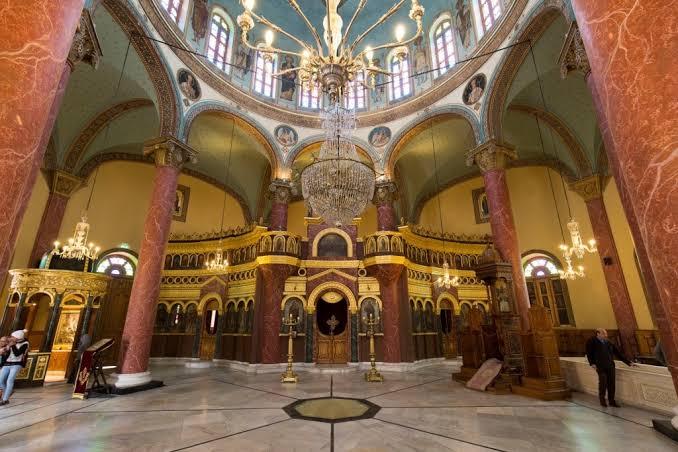
Coptic Museum
Founded in 1908 inside the walls of the Roman Fortress of Babylon in Old Cairo, the Coptic Museum holds the world's largest collection of Coptic Christian art: more than 16,000 objects including textiles, icons, manuscripts, and carved ivories. The Nag Hammadi Codices are the standout piece, but the 2-floor building and its carved wooden ceilings earn attention in their own right. Egyptian adults pay 20 EGP and students 10 EGP, per the official egymonuments.gov.eg portal. Opening hours are daily 9:00–17:00, with the last entry at 16:00 and shorter hours during Ramadan. The museum sits a 2-minute walk from the Hanging Church and the Ben Ezra Synagogue, making it an easy anchor for a half-day in Old Cairo. Photography is not permitted inside. Best for: history lovers, families, and anyone combining Old Cairo in a single afternoon.
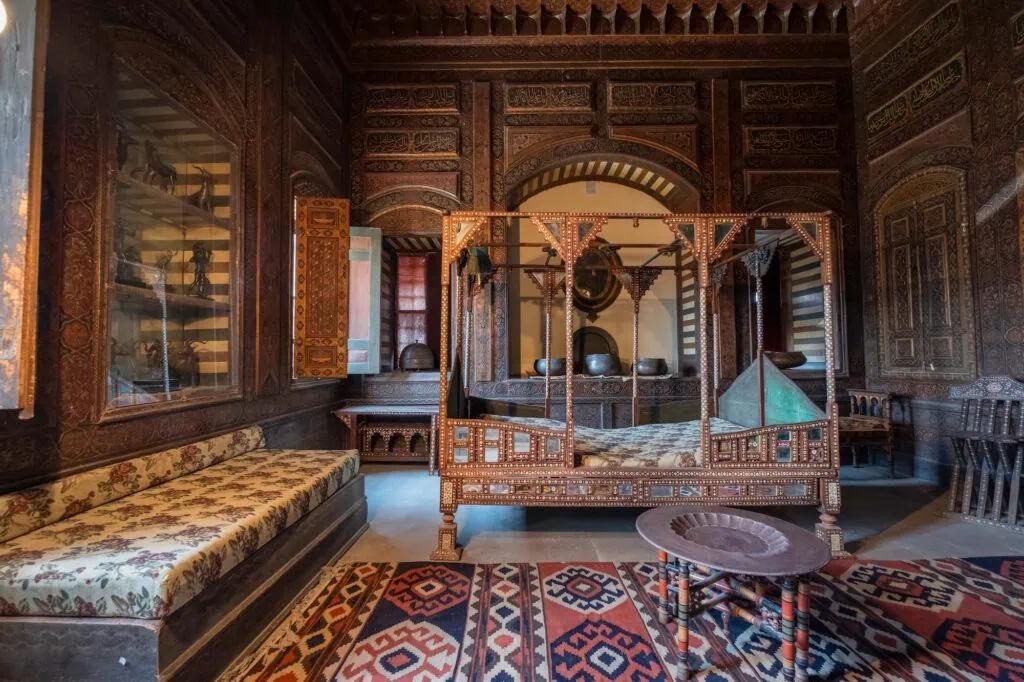
Gayer-Anderson Museum
Two 16th- and 17th-century Ottoman houses joined together next to the Mosque of Ibn Tulun in Sayyida Zeinab: that is the Gayer-Anderson Museum in one sentence. The British major Robert Gayer-Anderson lived here from 1935 to 1942, filling the rooms with Islamic, Pharaonic, and Asian art, mashrabiyya screens, and Persian carpets. Walking through it feels less like a museum visit and more like stepping into a Cairo merchant's home frozen in time. Egyptian adults pay just 10 EGP and students 5 EGP, per truecostegypt.com citing official prices verified in September 2026. Hours are daily 9:00–17:00 with last entry at 16:00. Combine it with Ibn Tulun Mosque next door, which is free to enter, for the best-value 2-hour outing in Cairo. Best for: design and architecture fans, first-time visitors to Islamic Cairo, and anyone on a tight budget.