5 Best Traditional Egyptian Desserts to Try in Cairo
From crispy, syrup-soaked konafa to creamy Om Ali and freshly fried zalabya, discover five traditional Egyptian sweets, what goes into them, where to try them in Cairo, and how much to expect to pay.
Quick answer
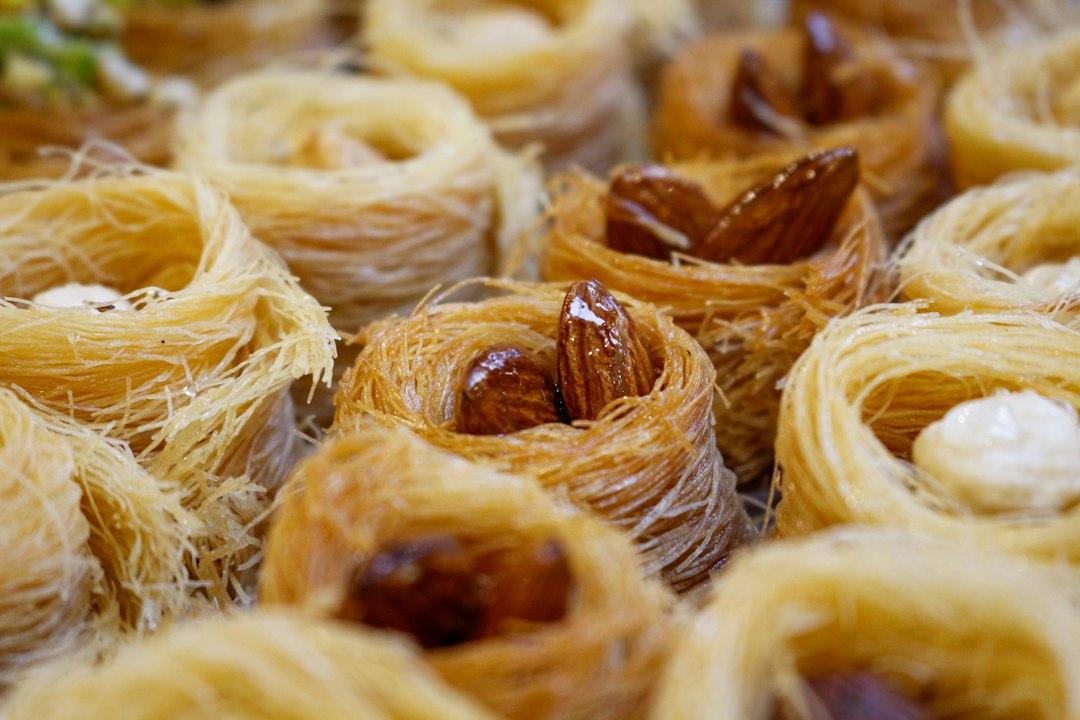
Cairo offers plenty of traditional Egyptian desserts worth trying, from golden konafa and syrup-soaked basbousa to warm Om Ali, creamy rice pudding, and crispy zalabya. Visit established patisseries such as El Abd and Salé Sucré or explore local sweet shops in Khan El Khalili to experience different flavours and textures of Egypt's dessert culture.
5 Best Traditional Egyptian Desserts to Try in Cairo, Ranked by Broad Appeal
Konafa From Abd Patisserie (Downtown Cairo)
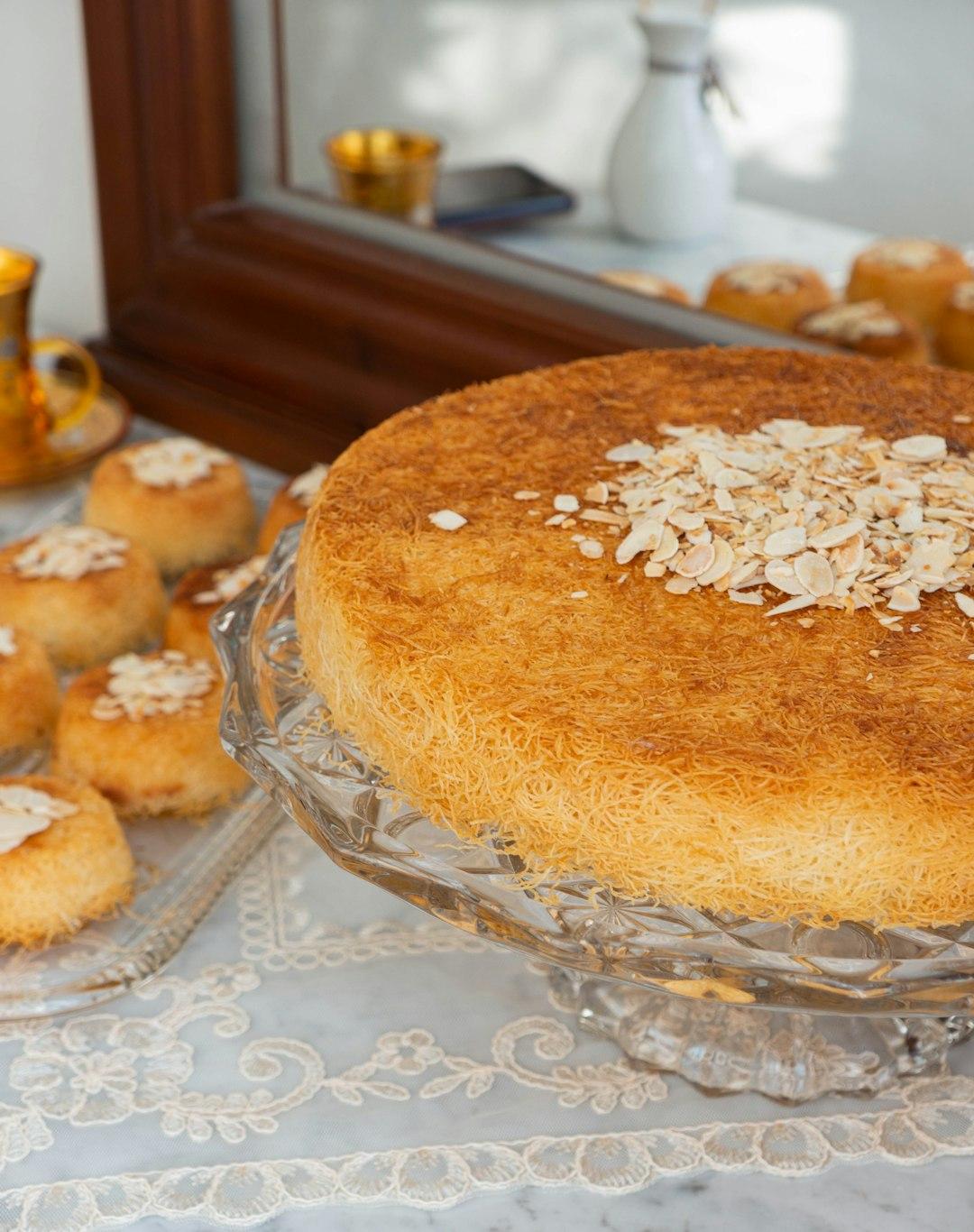
Konafa is one of the most famous traditional Egyptian desserts and a must-try for anyone exploring Cairo’s food scene. Made with thin strands of pastry, soaked in sweet syrup, and baked until golden and crispy, it comes in several varieties with different fillings and textures. Traditional konafa is often filled with cream or nuts, while cheese-filled versions offer a rich, stretchy centre. Some shops also serve modern variations with chocolate, mango, or other creative toppings. For the most classic experience, try a freshly baked portion while it is still warm, when the pastry is crisp and the filling is soft.
What to expect: Konafa is generally sweet, buttery, and rich, with the texture depending on the pastry and filling. Portions can be generous, so sharing one is a good option if you plan to sample several Egyptian desserts during your visit. Best for first-timers who want the most iconic version in a central, walkable location. Mandarine Koueider in Zamalek is a strong second stop.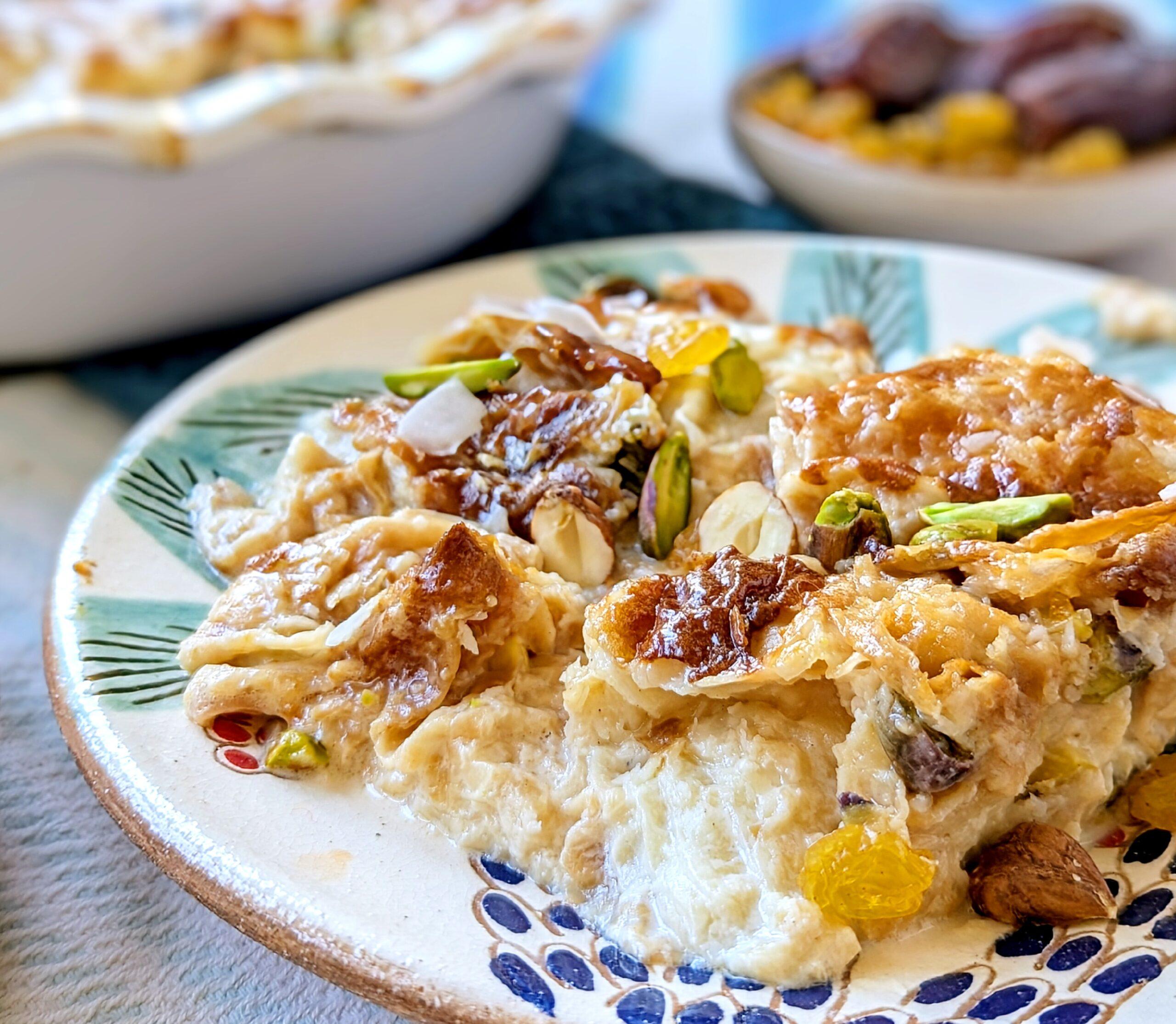
Om Ali at Abou El Sid (Zamalek)
Om Ali is Egypt's national dessert and the one dish every visitor should end a meal with. Layers of torn puff pastry are soaked in hot sweetened milk with raisins, coconut, and mixed nuts, then baked until bubbling and golden. Think bread pudding crossed with a croissant custard. Abou El Sid in Zamalek, which earns a 4.8 rating from over 8,000 Google reviews, serves a classic version inside a restored 19th-century Egyptian house. Prices at Egyptian restaurants typically fall in the 80–200 EGP range per portion. Best for a sit-down meal with atmosphere.
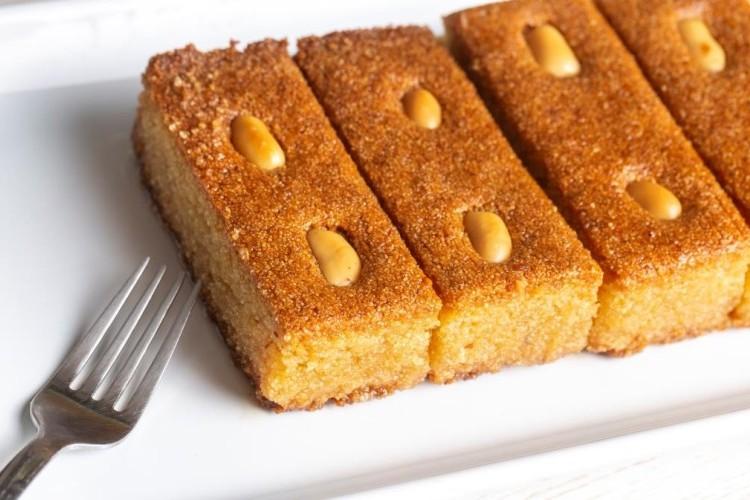
Basbousa at Salé Sucré (Multiple Cairo Branches)
Basbousa is the easiest traditional Egyptian dessert to try in Cairo: a dense semolina cake mixed with yoghurt, baked in a tray, scored into diamond cuts, and soaked in rosewater or honey syrup while still hot. Every patisserie in the city stocks it. Salé Sucré, one of Cairo's most respected modern patisseries with branches across the city including Nasr City, lists a plain basbousa plate at 150–175 EGP and hazelnut versions up to 265 EGP on its current menu. A single piece at a street bakery costs as little as 15–40 EGP. Best for grab-and-go snacking.
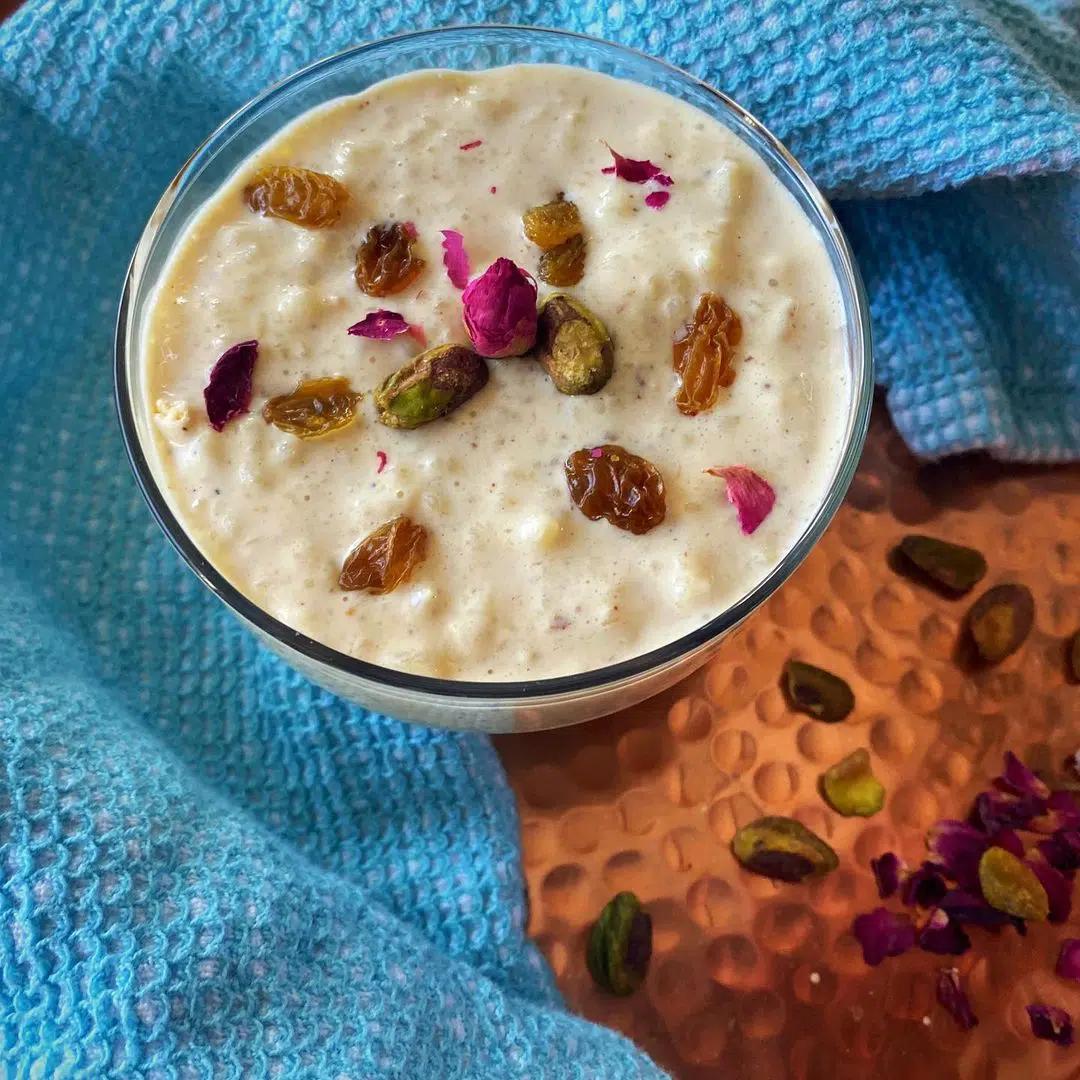
Roz Bel Laban at B.Laban (Talaat Harb, Downtown Cairo)
Roz Bel Laban translates literally as rice with milk, and that simplicity is the point. Short-grain rice is simmered low and slow in whole milk and sugar, then flavored with vanilla or rosewater and served chilled in small cups, often topped with cinnamon or crushed pistachios. It is one of the most comforting traditional Egyptian desserts in Cairo and costs as little as 20–80 EGP at street-side sweet shops. B.Laban on Talaat Harb is a dedicated dairy-dessert shop ranked. Best for a cool, light finish after a heavy meal.
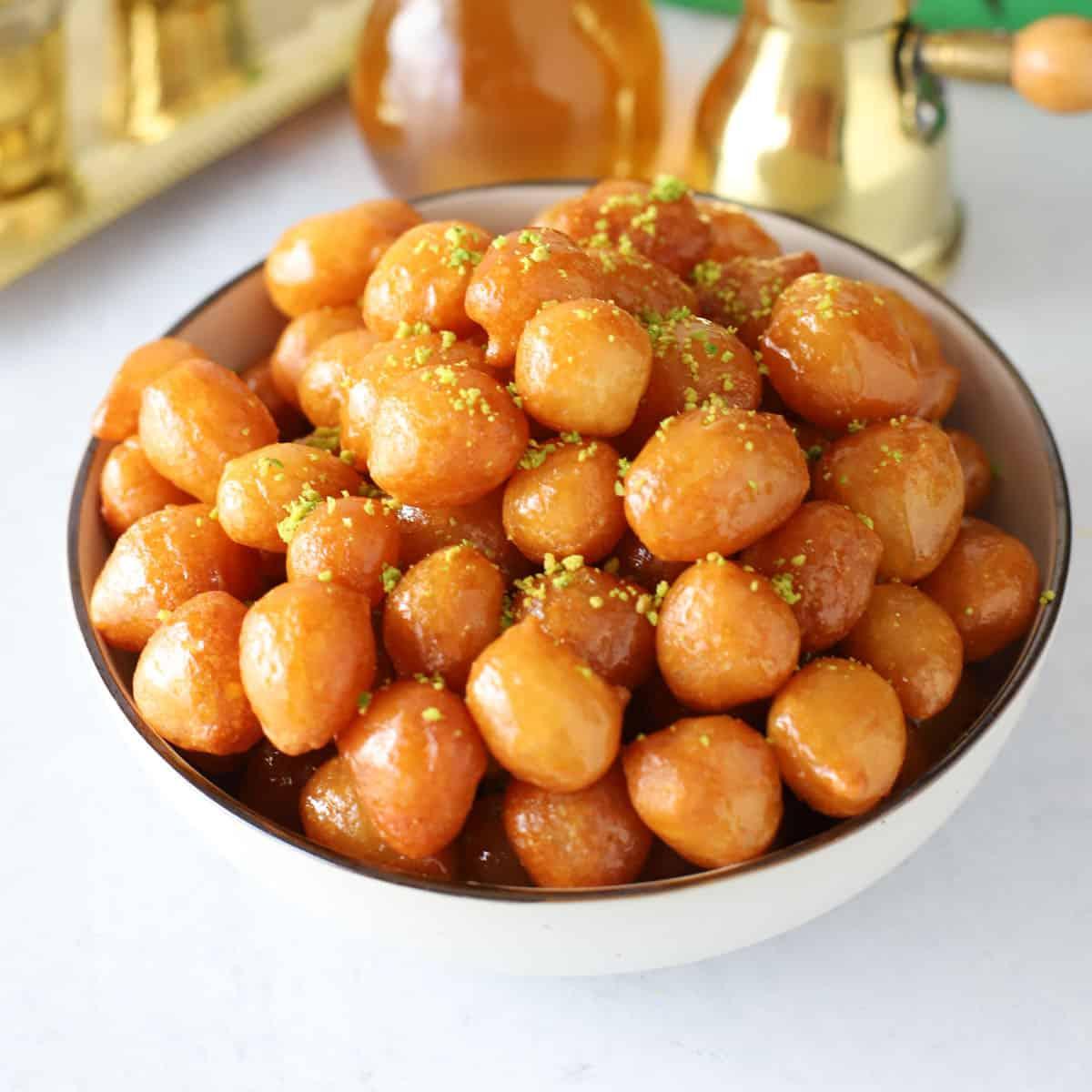
Zalabya from Khan El Khalili Sweet Shops (Islamic Cairo)
Zalabya are small balls of yeasted dough, deep-fried until the outside turns crisp and the inside stays airy, then dunked in sugar syrup or honey. They are street food at their most direct: hot, sticky, cheap, and best eaten immediately. Khan El Khalili, Cairo's historic bazaar district dating back to the 14th century, has traditional sweet stalls that serve zalabya alongside other oriental sweets. Street vendors across Cairo sell them for roughly 20–50 EGP per portion. Best for adventurous snackers exploring Islamic Cairo on foot, as the dessert travels poorly once it cools.