Sharm el Sheikh Diving: 7 Sites Worth Your Tank
Discover the Red Sea's top dive sites from Ras Mohammed to the Thistlegorm, with practical tips built for Egyptian adventurers planning a 2026 underwater trip.
Quick answer
Book a dive package at Ras Mohammed or the Tiran Straits for the best reef access in Sharm. Expect to pay roughly 350-500 EGP for a single guided dive with gear rental included. Get your PADI Open Water certification in as few as 3 days at local dive centers. Bring your national ID; Egyptian nationals skip the visa hassle entirely.
Why Sharm el Sheikh Still Leads for Diving
For Egyptian adventure travelers, Sharm el Sheikh is not a far-flung dream — it is a long weekend flight or a comfortable road trip away, and the Red Sea rewards every effort you make to reach it. The water clarity here routinely exceeds 20 meters of horizontal visibility, which means even first-time divers can spot the reef structure without squinting through murk.
The dive sites range from shallow, current-free lagoons that suit open-water beginners to steep walls and drift dives that keep experienced divers coming back season after season. Marine life is dense and varied: turtles, reef sharks, lionfish, and enormous schools of glassfish are regular sightings rather than lucky encounters.
Sharm's dive infrastructure is genuinely well-developed. Dozens of PADI- and SSI-affiliated dive centers operate along the Naama Bay and Sharks Bay strips, offering courses in Arabic and English. Equipment rental is widely available, so you do not need to travel with a full kit.
The best diving conditions run from March through November, when water temperatures sit between 22°C and 28°C, according to Egypt's Red Sea diving operators and regional meteorological data. Winter months are cooler but still diveable with a thicker wetsuit. Plan your trip around your comfort level, not just the calendar.
Best Months to Dive Sharm el Sheikh
January
Water sits around 22°C; visibility is sharp and dive sites are quieter than peak season.
February
Cool, calm conditions with strong visibility; hammerhead shark sightings increase at Ras Mohammed.
March
Water warms to around 23°C and spring currents draw pelagic species in impressive numbers.
April
Ideal water temperature and visibility up to 30 metres; reef life is extremely active.
May
Pre-summer sweet spot: warm water, lower crowds, and excellent coral colour across most sites.
June
Surface heat rises but underwater comfort stays strong; good for multiple dives per day.
July
Peak tourist season brings crowded dive boats; water is warm but surface temperatures exceed 38°C.
August
Very busy and very hot; dive early morning to beat the heat and the crowds on popular reefs.
September
Crowds thin out while water stays warm at around 28°C; a smart window for Egyptian divers.
October
Widely considered the best diving month; 27°C water, high visibility, and manageable boat numbers.
November
Comfortable air temperatures and clear water make liveaboard trips especially rewarding this month.
December
Water cools to around 23°C and holiday crowds return; a 5mm wetsuit is recommended for comfort.
Top Dive Sites in Sharm el Sheikh You Need to Explore in 2026
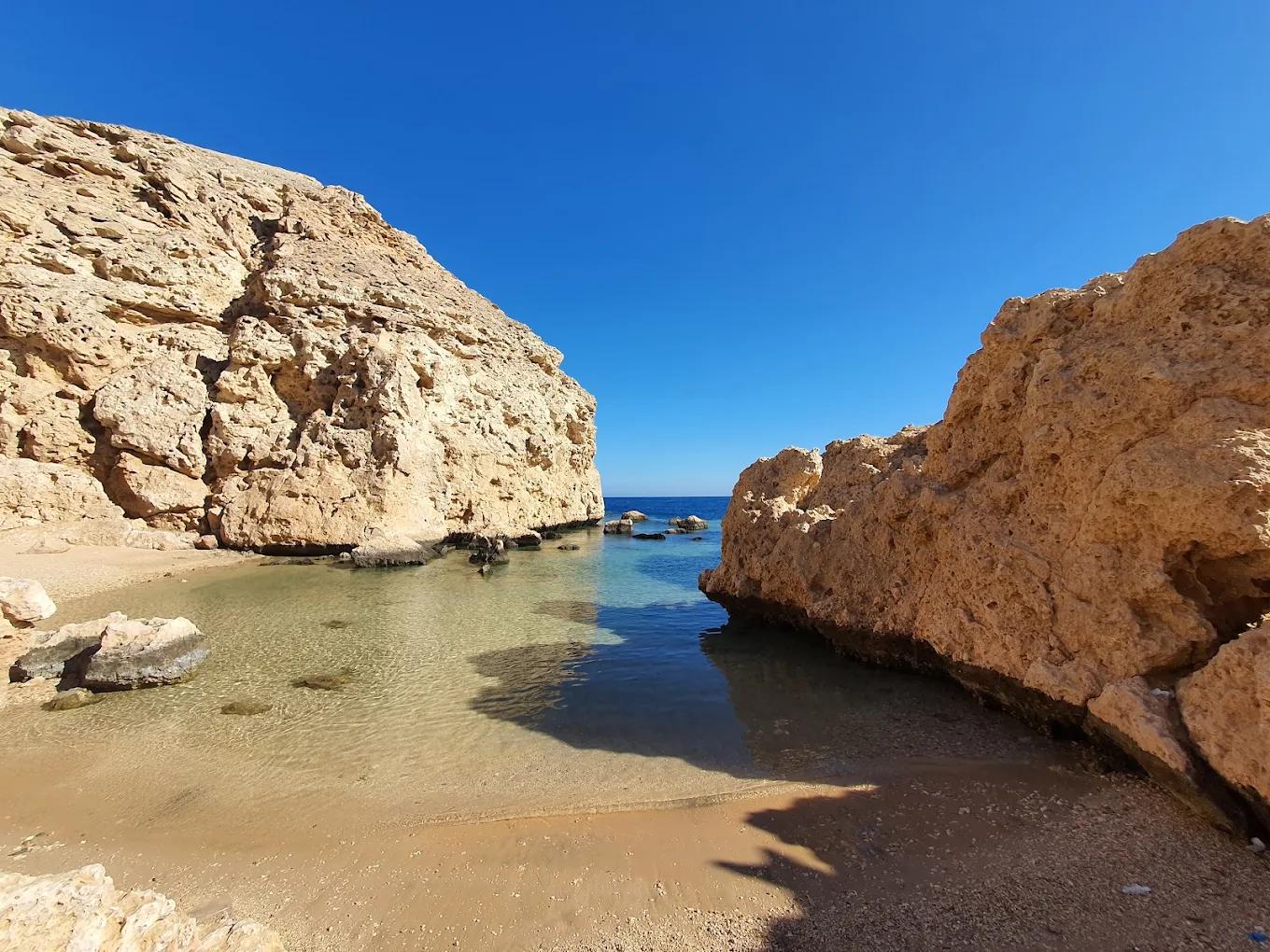
Ras Mohammed National Park
This is where the Red Sea shows off. Ras Mohammed sits at the southern tip of Sinai and protects over 1,000 fish species within its marine reserve boundaries. The famous Shark and Yolanda Reefs sit here, offering walls that drop hundreds of meters into electric-blue water. Visibility regularly hits 30 meters or more. Go early in the morning to beat the boat traffic, and bring a wetsuit even in summer since thermoclines can surprise you at depth.
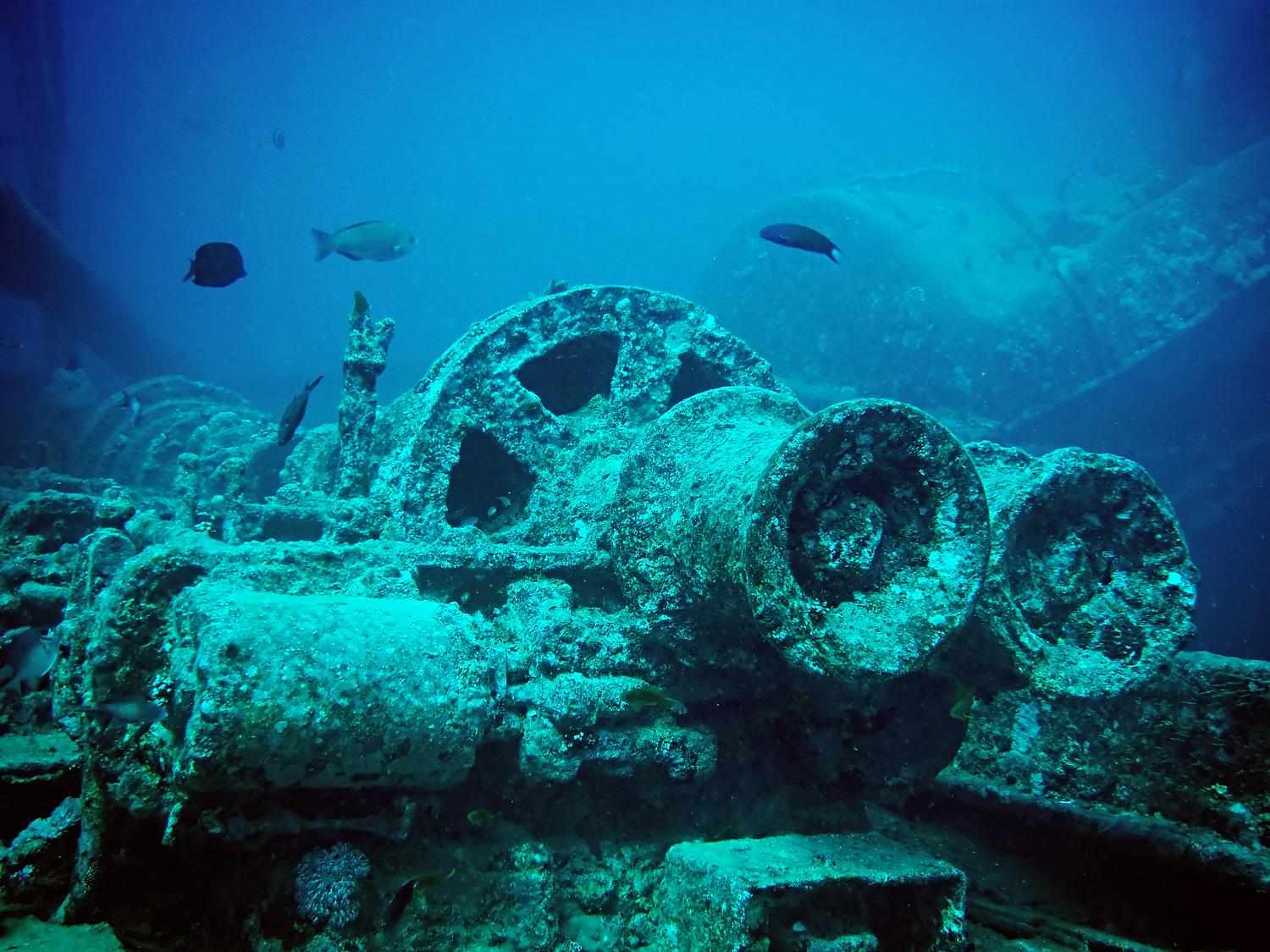
SS Thistlegorm Wreck
A British cargo ship sunk in 1941, the Thistlegorm sits at around 30 meters and is one of the most famous wreck dives on the planet. You will find motorcycles, rifles, train carriages, and boots still packed in the hold. Most liveaboards from Sharm el Sheikh reach the site in roughly 2 hours by boat. Intermediate certification is recommended. Night dives here are especially dramatic, with lionfish patrolling the deck rails and glassfish filling every cabin.
$$$View on map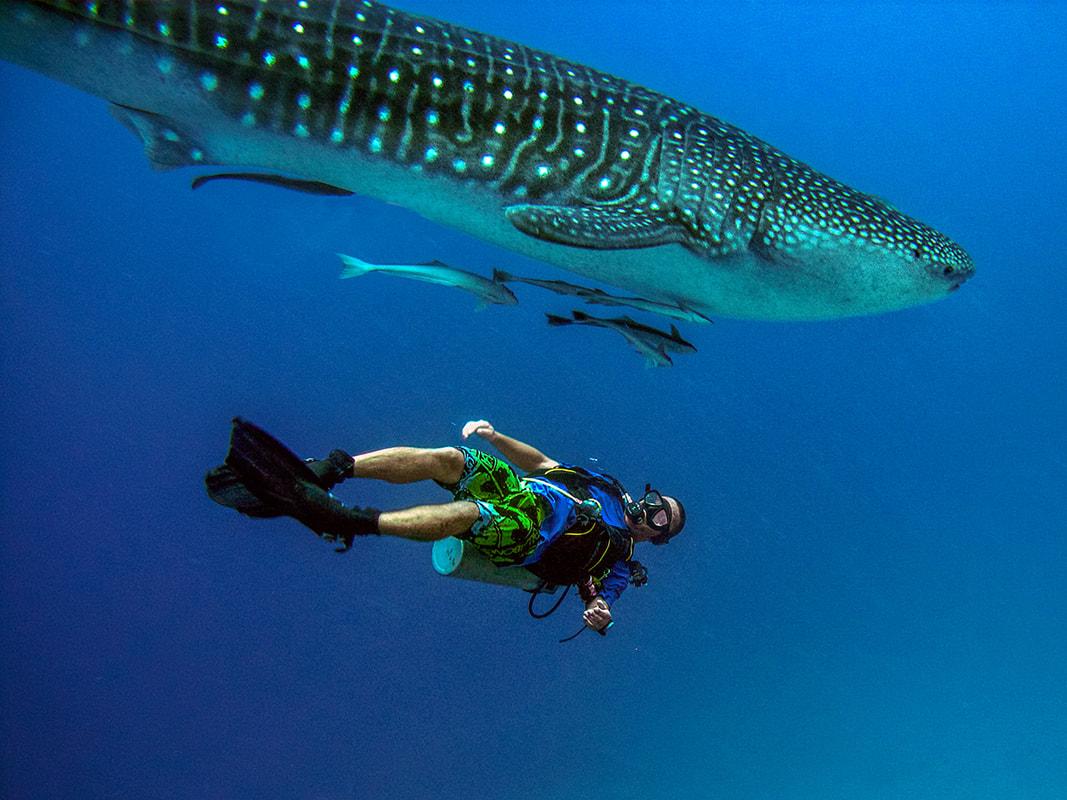
The Tower, Naama Bay
Right on the doorstep of Naama Bay, The Tower is a vertical coral chimney that drops around 80 meters, making it accessible for divers of almost every level depending on how deep you choose to go. Strong currents sweep in nutrients, which means you get dense schools of glassfish, batfish, and the occasional Napoleon wrasse. Shore entry keeps costs low, and most local dive centers list it as a key site for their fun-dive day trips. A great first Red Sea wall for Egyptian beginners.
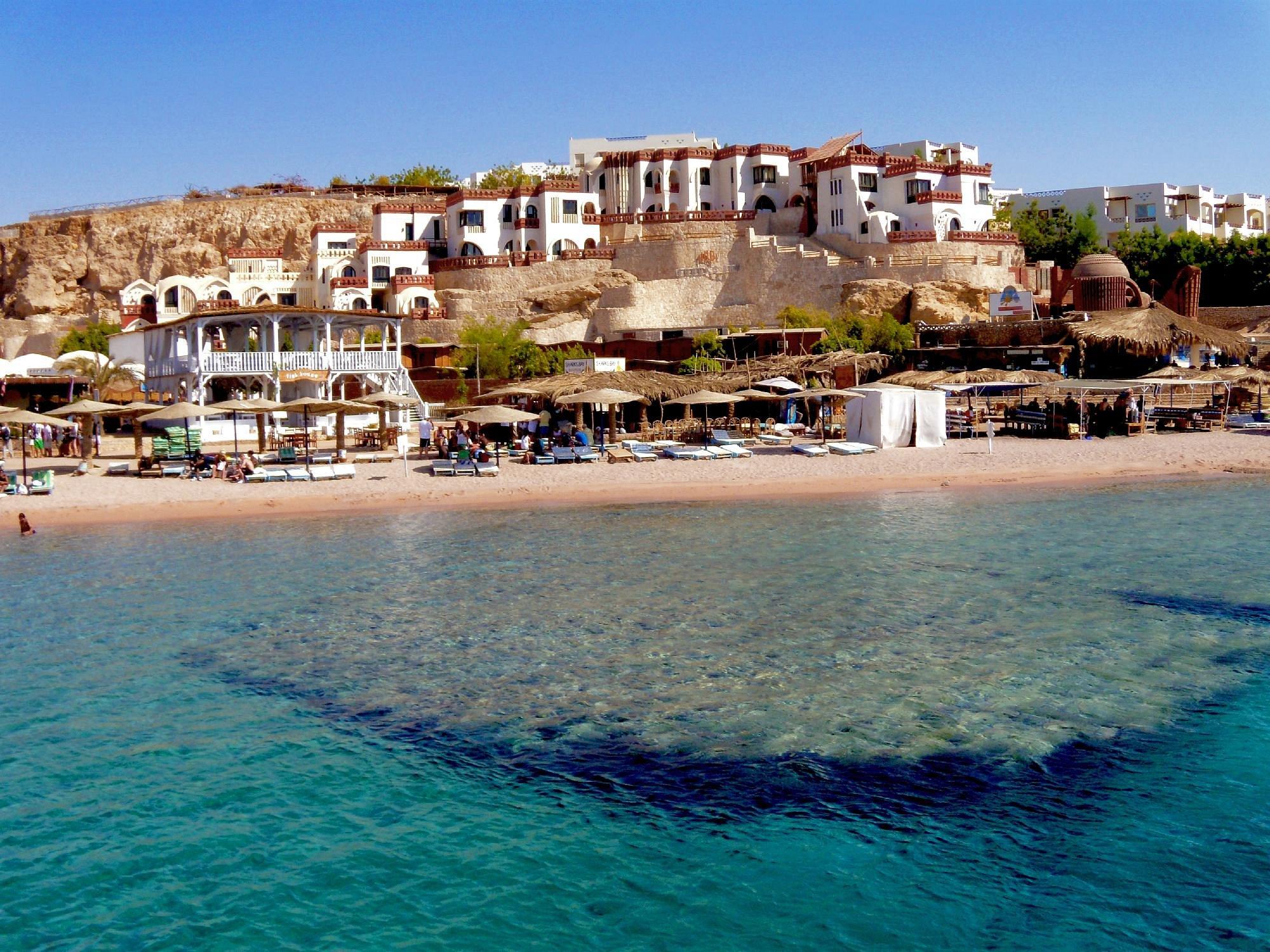
Shark's Bay
Despite the name, the resident stars here are sea turtles, with sightings reported on the majority of dives throughout the year. Shark's Bay is a calm, sheltered site that works brilliantly for open-water students and early-morning check dives before heading somewhere more demanding. The sandy seabed slopes gently to about 18 meters, and coral bommies dot the slope with garden eels swaying in the current. Local dive operators use it as a daily training ground, so getting a guided dive here is straightforward.
Dunraven Wreck, Beacon Rock
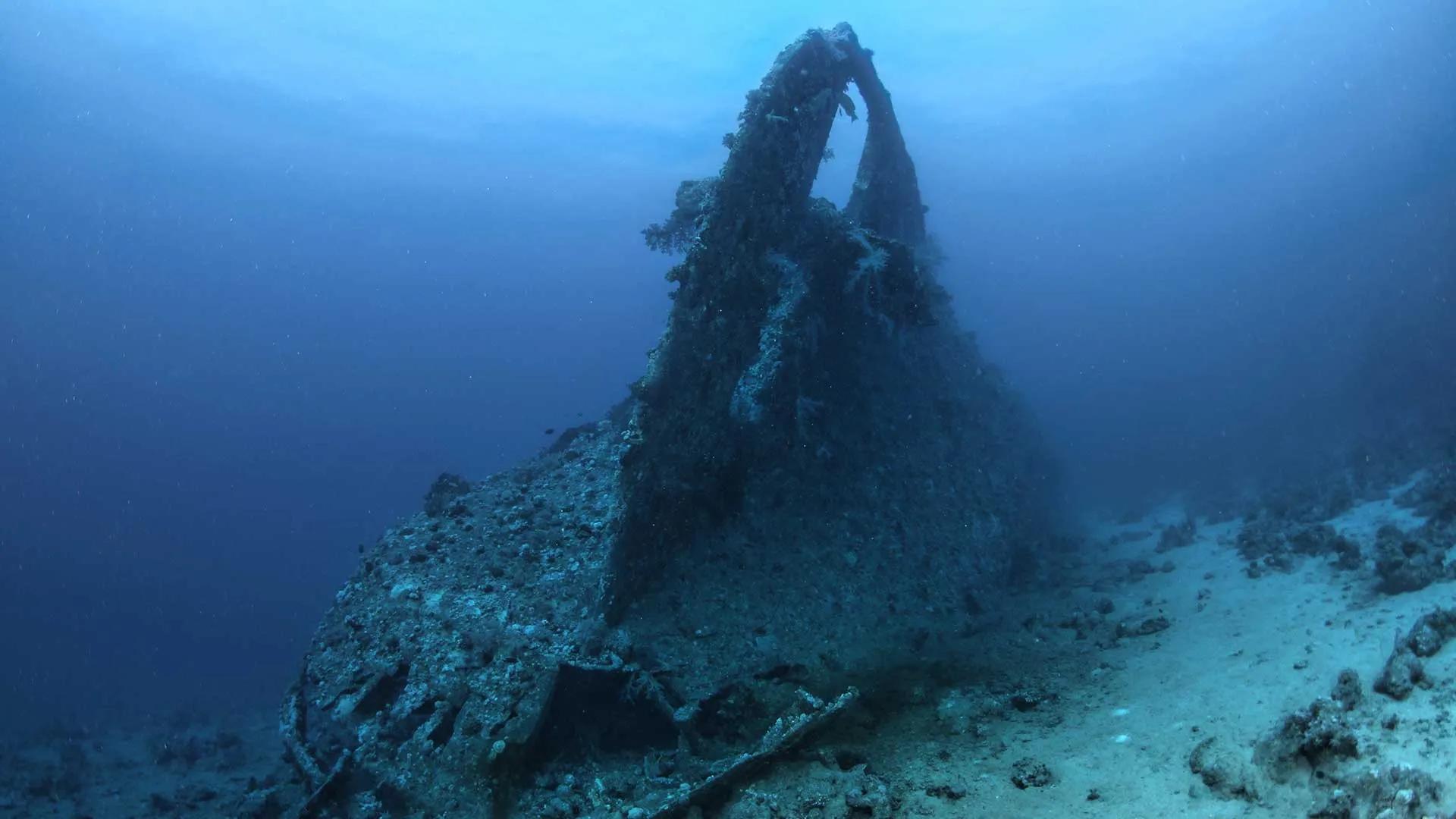
A Victorian-era steamship that went down in 1876, the Dunraven lies upside-down at a maximum depth of about 28 meters off Beacon Rock near Ras Mohammed. Soft corals have completely encrusted the hull in vivid oranges and purples, making it one of the most photogenic wrecks in the Red Sea. Barracuda gather above the stern in tight, spinning schools. Combine it with a Ras Mohammed day trip to make the boat charter worthwhile, and keep your camera fully charged.
Turtle Bay, Ras Nasrani
Ras Nasrani sits just north of Naama Bay and hosts Turtle Bay, a relaxed reef known for reliable turtle encounters and exceptionally clear water, with visibility regularly reaching 25 meters. The reef crest is shallow enough for snorkelers, but the wall drops steeply enough to keep advanced divers engaged. Moray eels peek from crevices along the upper reef, and rays cruise the sandy channel between the two reef formations. It is an excellent choice for families or mixed-ability groups diving together on the same day.
Why Sharm el Sheikh Belongs on Your Dive List
The Red Sea off Sharm el Sheikh delivers some of the most accessible reef diving in the world, and you do not need to fly abroad to experience it. As an Egyptian traveler, you are already sitting at the doorstep of a marine ecosystem that draws divers from across Europe and Asia every single year.
Visibility in the Strait of Tiran regularly reaches 30 meters, making it ideal for spotting reef sharks, manta rays, and dense schools of glassfish without fighting murky water. Water temperatures stay comfortable year-round, ranging from roughly 21°C in winter to 28°C in summer, so no season locks you out of the water.
Sharm operates a well-developed dive infrastructure. Centers certified by PADI and SSI line the Na'ama Bay and Sharks Bay strips, offering everything from beginner discovery dives to technical cave and wreck courses. Many sites, including the famous SS Thistlegorm wreck, sit within a short boat ride from shore, keeping day trips genuinely manageable.
For Egyptian travelers in 2026, the practical advantages stack up fast. No visa friction, direct buses and flights from Cairo and Alexandria, and dive packages priced in Egyptian pounds mean your budget stretches further than an overseas alternative. Bring your certification card, book a liveaboard or land-based package, and get underwater.
Book Your Dive Boat Spot at Least 48 Hours Ahead
Popular sites like Ras Mohammed fill up fast, especially on weekends and public holidays. Most Sharm dive centers open bookings online, so lock in your spot two days before you plan to go. Morning departures, usually around 8 AM, give you calmer surface conditions and better visibility at depth.
Sharm el Sheikh Diving Trip Checklist
Heading to Sharm for a dive trip in 2026? Pack smart and prep early so you spend more time underwater and less time scrambling at the last minute.
Documents & Permits
Dive Gear
Health & Safety
Logistics & Essentials
Sharm el Sheikh Dive Sites: Which One Suits You?
| Ras Mohammed National Park | Tiran Island | The SS Thistlegorm Wreck | |
|---|---|---|---|
| Skill Level | Intermediate to advanced, strong currents at Shark Reef. | Intermediate, moderate currents through four named passages. | Advanced, deep penetration dives reaching around 30 metres. |
| Depth Range | 5 to 40 metres across reef and wall sections. | 8 to 35 metres along coral-covered channel walls. | 15 to 32 metres inside the WWII cargo wreck. |
| Signature Experience | Drift past grey reef sharks and dense schools of barracuda. | Spot hammerheads in blue water at Jackson Reef. | Swim through preserved motorcycle cargo holds and gun turrets. |
| Travel Time from Sharm | Roughly 45 minutes by boat from Sharm el Sheikh marina. | About 90 minutes by liveaboard or fast day-trip boat. | Approximately 2 hours north by sea toward the Straits of Gubal. |
| Best Season to Dive | Year-round, with clearest visibility from October through April. | September to April for calmer seas and hammerhead sightings. | March to May and September to November for optimal visibility. |
| Marine Highlights | Over 1,000 fish species recorded inside the national park. | Hard and soft corals lining passages, plus eagle rays. | Resident lionfish, glassfish clouds, and moray eels in holds. |
| Entry Permit Required | Yes, national park dive fee paid at entry, per EEAA regulations. | Permits coordinated through dive operator as part of day trip. | No separate permit; dive centre books site access directly. |
| Ideal For | Egyptian divers wanting a full-day reef and wall adventure. | Adventure seekers chasing big pelagic fish in open water. | History lovers combining underwater exploration with wartime stories. |