4 Historic Places to Visit in Alexandria, Egypt
Explore four historic landmarks in Alexandria, from the medieval Qaitbay Citadel to ancient Roman ruins, underground tombs, and the remains of the Serapeum.
Quick answer
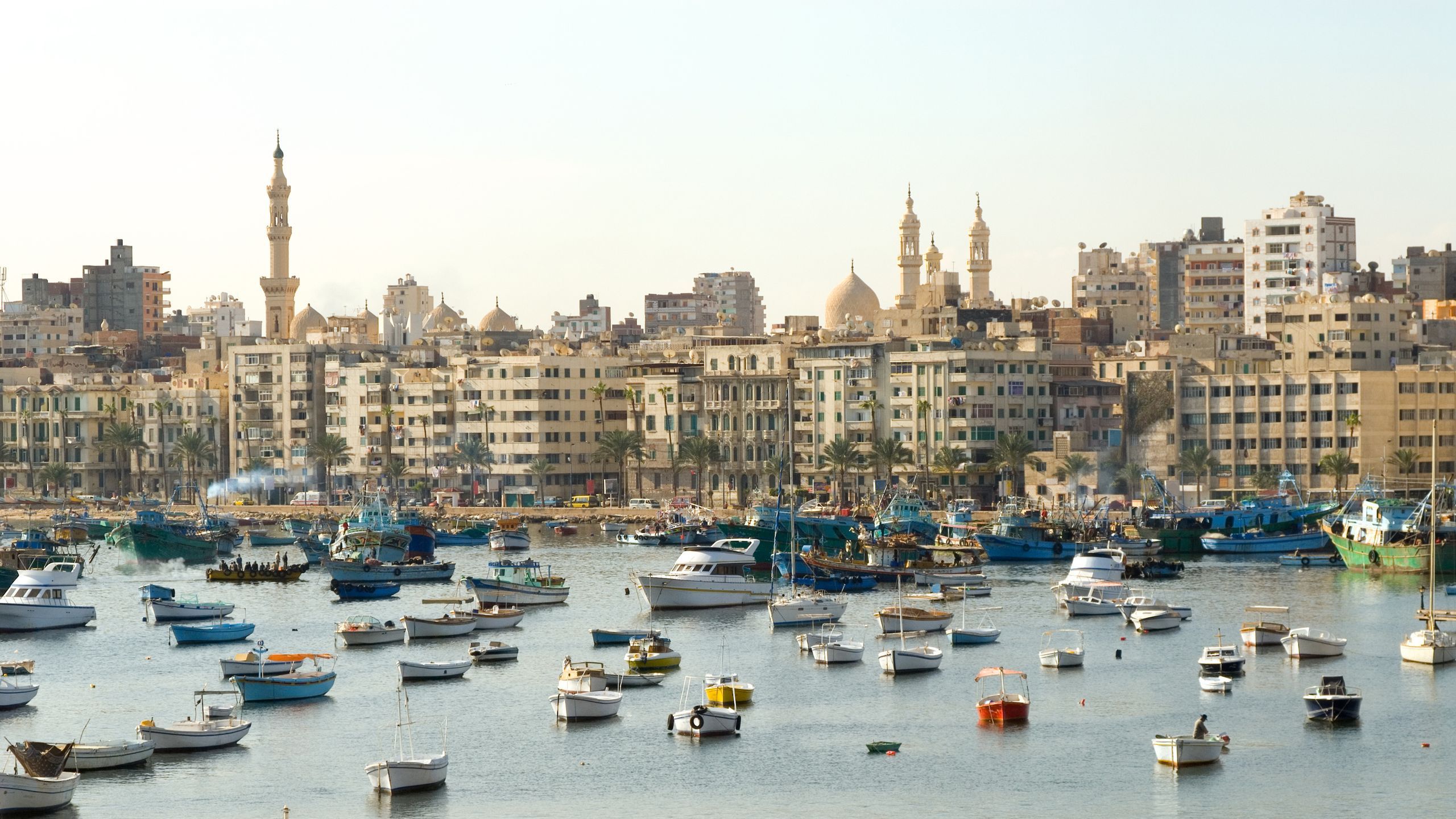
Alexandria is home to historic landmarks reflecting its Egyptian, Greek, Roman, and medieval past. Visit Qaitbay Citadel, built on the site of the ancient Lighthouse of Alexandria, the Catacombs of Kom el-Shoqafa, and the Roman Amphitheatre at Kom el-Dikka. Complete your trip at Pompey's Pillar and the remains of the Serapeum, two highlights of the same archaeological complex.
5 Historic Places to Visit in Alexandria, Egypt
Qaitbay Citadel
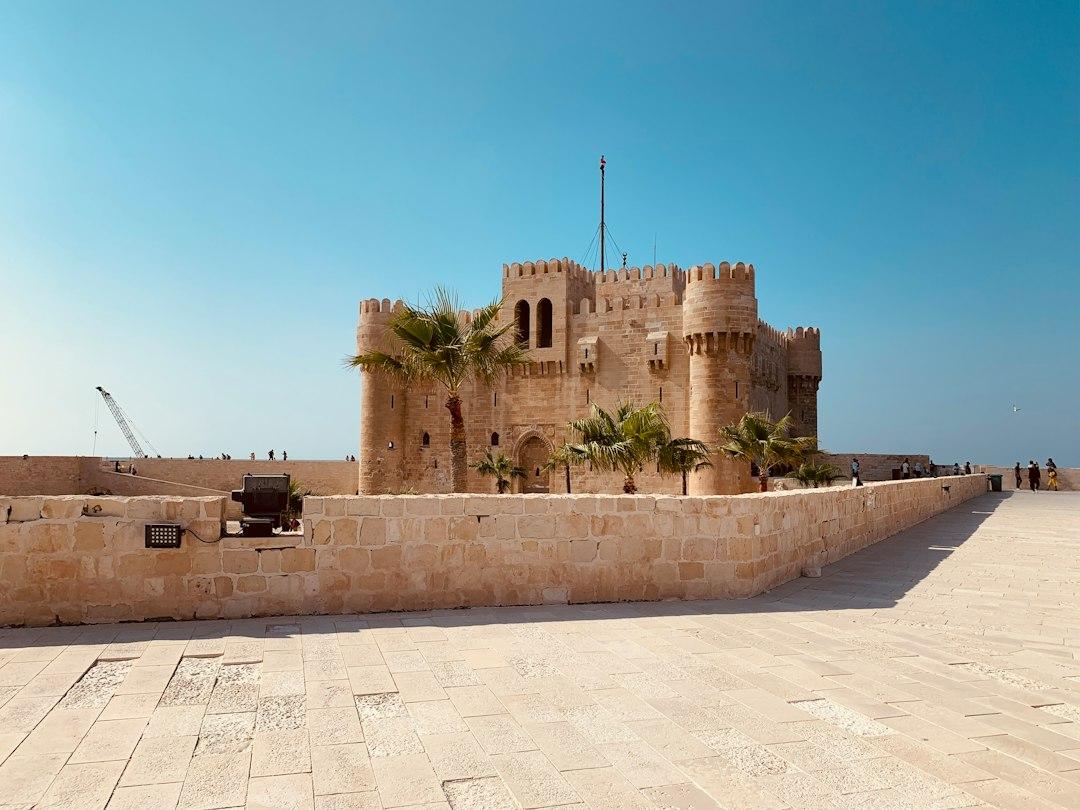
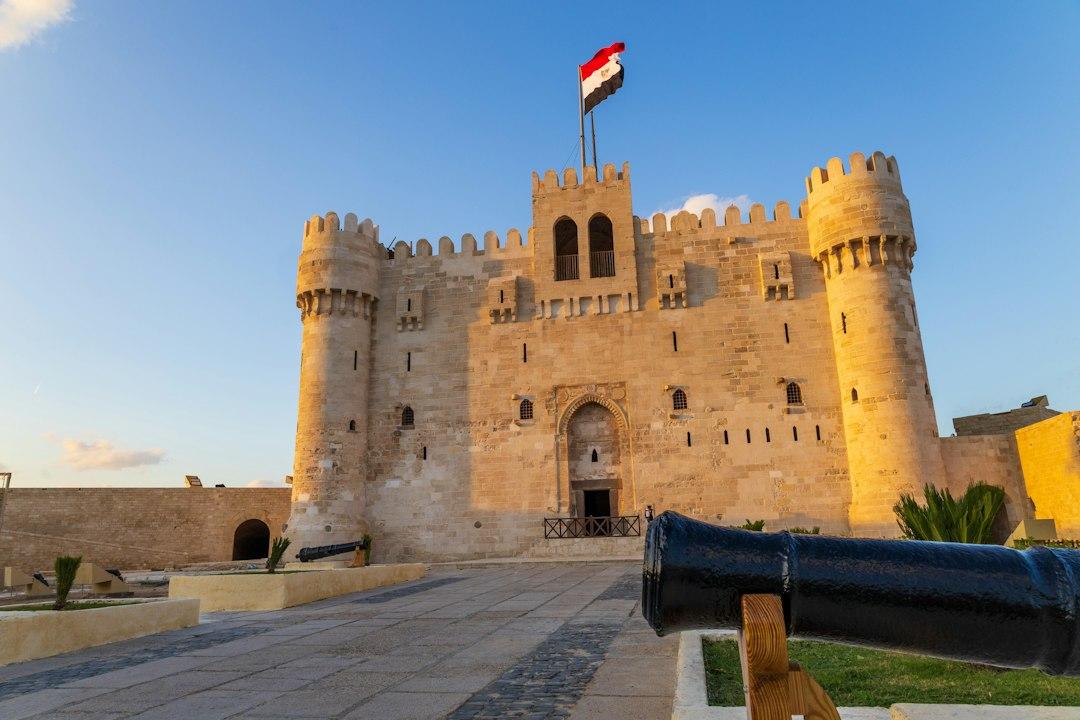
Built between 1477 and 1479 by Mamluk Sultan Al-Ashraf Qaitbay, this fortress stands at the entrance to Alexandria's Eastern Harbour, on the site of the ancient Lighthouse of Alexandria, one of the Seven Wonders of the Ancient World. Stones from the lighthouse were reportedly reused in its construction. Walk along the fortress walls for views across the Mediterranean, explore the historic rooms, and visit the Naval Museum inside.
Best for: Families, history lovers, and visitors interested in Alexandria's medieval past. Allow around 1.5–2 hours for your visit.
Opening hours: Generally 9 AM–5 PM in winter and 9 AM–7 PM in summer. Confirm the schedule before visiting.
Catacombs of Kom el-Shoqafa
Dating to the 2nd century AD, the Catacombs of Kom el-Shoqafa are an underground burial complex in Alexandria's Karmouz district. Their chambers combine Egyptian, Greek, and Roman artistic influences, reflecting the city's multicultural past. Look for the carved figures, Roman-style columns, and burial decorations that bring these traditions together. The complex extends across several underground levels, so allow around an hour to explore.
Best for: Architecture enthusiasts, history lovers, and visitors interested in ancient burial traditions.
Opening hours: Generally 9 AM–5 PM daily. Confirm before visiting.
Getting there: The catacombs are in the Karmouz district, a short taxi ride from central Alexandria. You can combine your visit with Pompey's Pillar and the Serapeum in the same area.
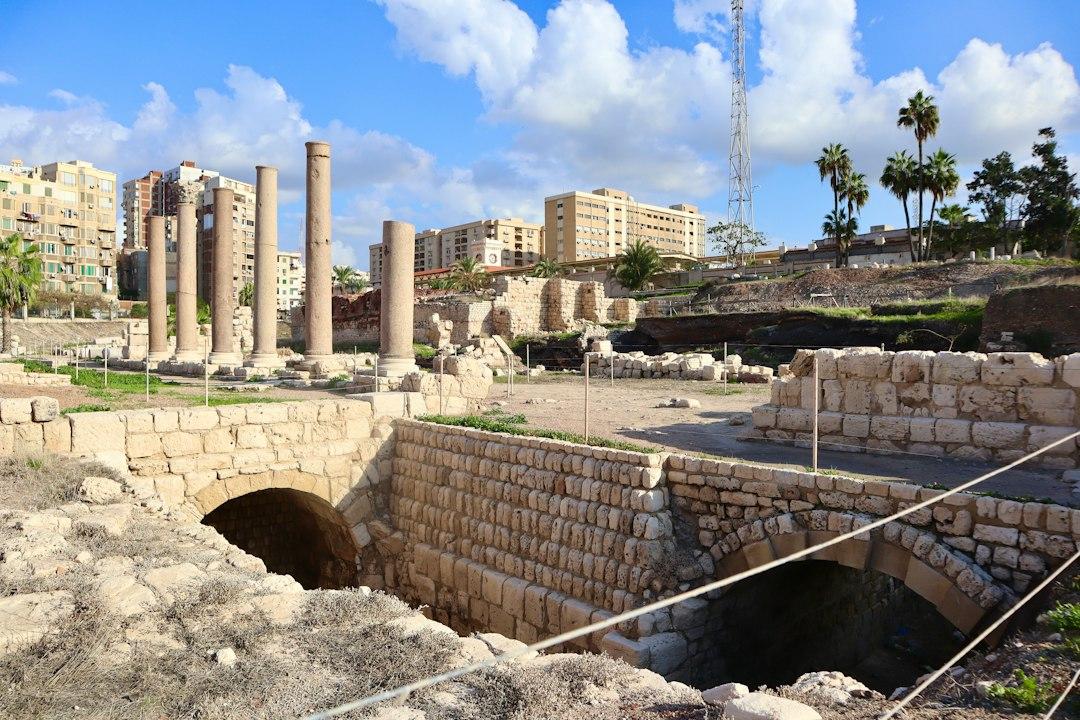
Roman Amphitheatre (Kom el-Dikka)
Located at the Kom el-Dikka archaeological site, Alexandria's Roman Amphitheatre dates to the Roman period and features semicircular seating arranged around a central performance area. Discovered by a Polish-Egyptian archaeological expedition in 1960, it could accommodate around 600 spectators. The surrounding archaeological site is also worth exploring, with Roman baths, ancient streets, lecture halls, and the mosaic floors of the Villa of the Birds.
Best for: History enthusiasts, archaeology lovers, and families with older children.
Opening hours: Generally 9 AM–5 PM, subject to seasonal changes.
Getting there: The site is in Kom el-Dikka, near central Alexandria. You can reach it by taxi or ride-hailing service from the Corniche or other central neighbourhoods.
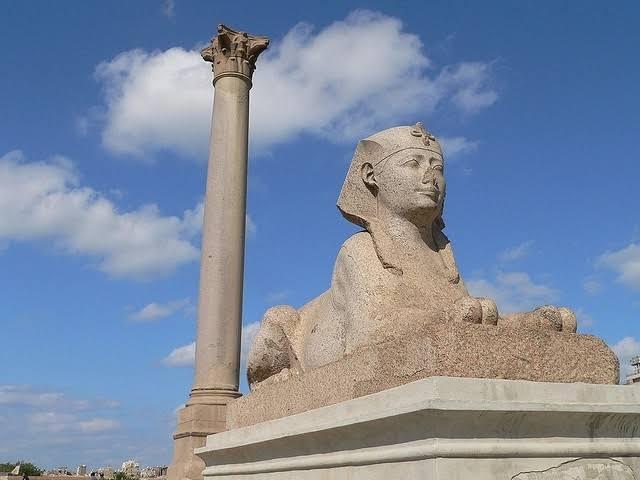
Serapeum of Alexandria
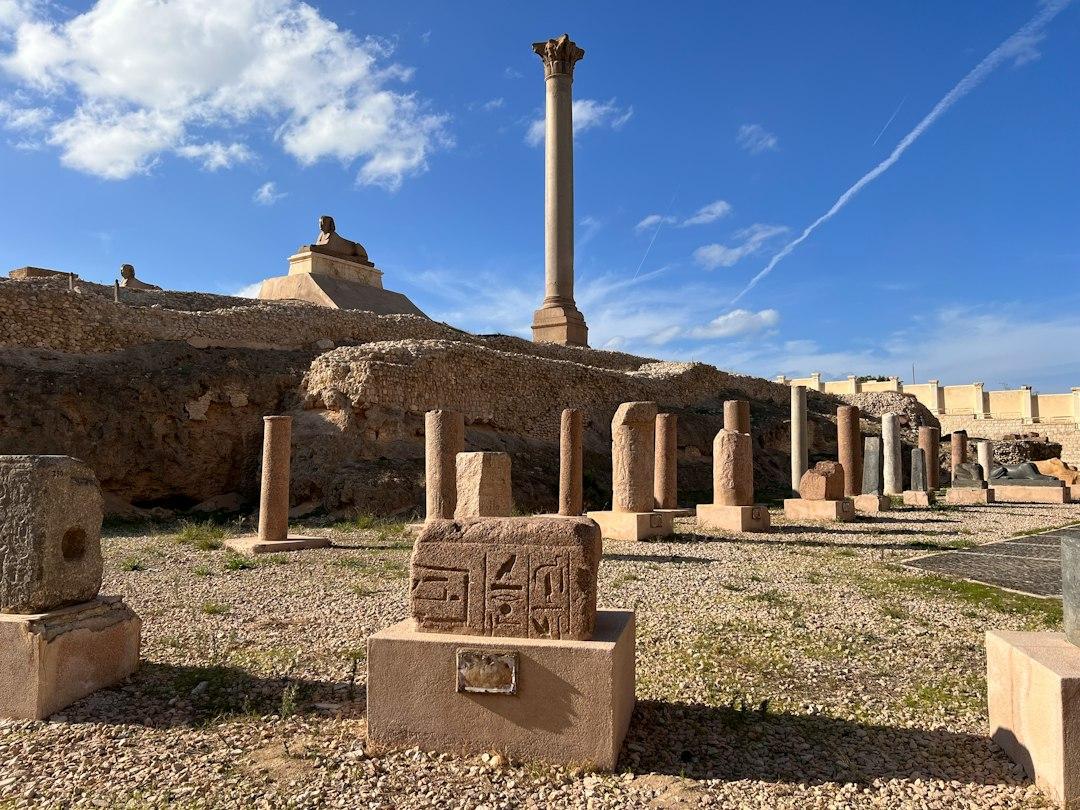
The Serapeum was a major temple complex dedicated to Serapis, a Greco-Egyptian deity worshipped in Ptolemaic and Roman Alexandria. Built on a hilltop in the Karmouz district, it was destroyed in the late 4th century AD. Today, visitors can explore its archaeological remains, including foundation stones, underground galleries, and architectural fragments surrounding Pompey's Pillar. The complex also preserves traces of the sanctuary associated with the temple.
Best for: History enthusiasts interested in Hellenistic religion and the cultural mix of ancient Alexandria.
Opening hours: Generally 9 AM–5 PM, subject to seasonal changes.
Getting there: The site is in Karmouz, in the same district as the Catacombs of Kom el-Shoqafa. You can visit both in one outing, but allow time for travel between them.
Time needed: Allow around 30 minutes for the Serapeum and Pompey's Pillar together.