
The Best Brussels Chocolate Shopping Guide: 7 Famous Chocolatiers and Belgian Treats
Shop the Sablon like a local, read the packaging like a pro, and carry your pralines home intact. Your Egyptian traveller's guide to Brussels' best chocolatiers.
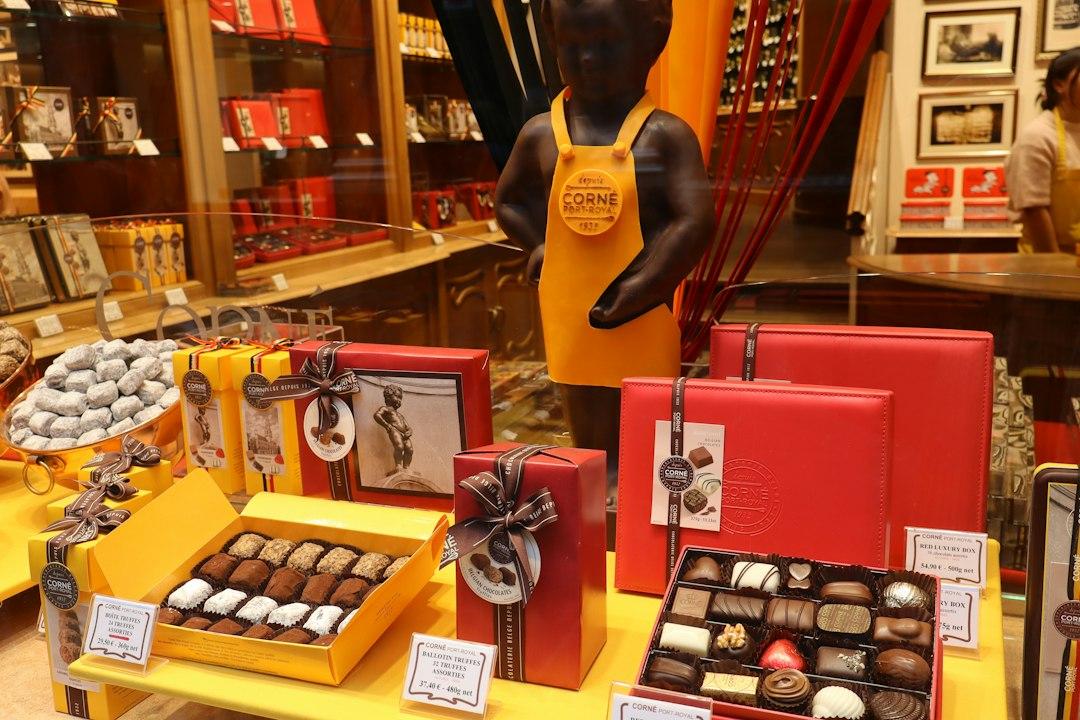
Quick answer
Brussels is one of the best places to shop for Belgian chocolate, with famous chocolatiers concentrated around Grand Sablon and the Galeries Royales Saint-Hubert. Visit Pierre Marcolini for single-origin chocolate, Neuhaus for traditional pralines and Wittamer for classic Belgian sweets. Explore different shops, compare their signature products and buy fresh pralines shortly before your flight home.
Brussels' Best Chocolatiers: Where to Spend Your Euros Before the Flight Home
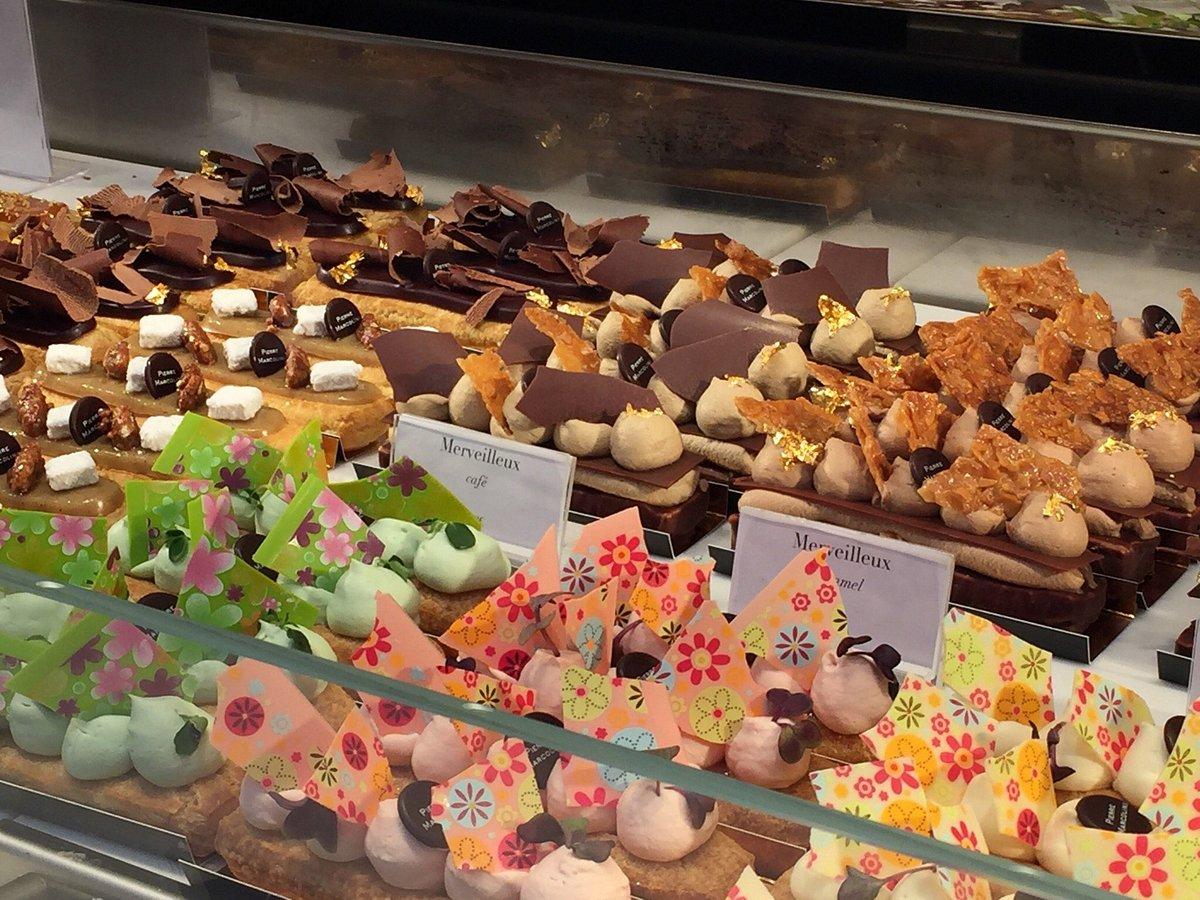
Pierre Marcolini — Grand Sablon
The Sablon flagship at Place du Grand Sablon 39 is the benchmark visit for anyone who takes chocolate seriously. Marcolini sources his own cacao beans and processes them in-house, so every bar traces back to a single origin you can read on the label. His Intense collection of single-origin dark tablets is the line to target for gifts that carry well in luggage. Budget roughly €40–€80 for a curated box (verify at booking time). Egyptian passport holders: check today's EGP rate at cbe.org.eg to plan spend.
€40–€80View on map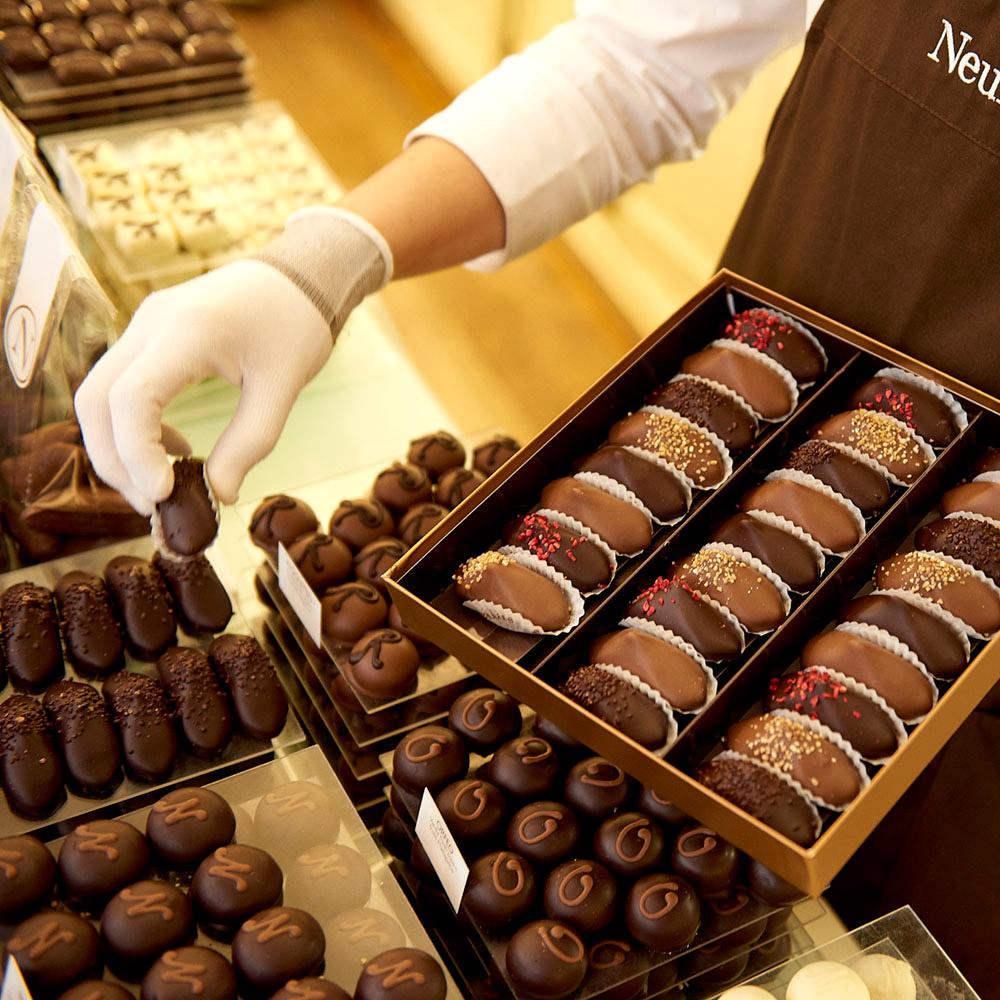
Neuhaus — Galeries Royales Saint-Hubert
Neuhaus has been at Galerie de la Reine 25 since 1857, when the family ran a pharmacy on the same spot. In 1912 the house invented the filled praline by replacing the medicine with fresh cream, and the ballotin gift box followed in 1915, making Neuhaus the origin story of Belgian chocolate culture. Six major brands cluster inside Europe's oldest covered shopping arcade, built in 1847, but Neuhaus is the one that wrote the chapter worth reading first. The classic ballotin travels well and keeps its shape in a carry-on.
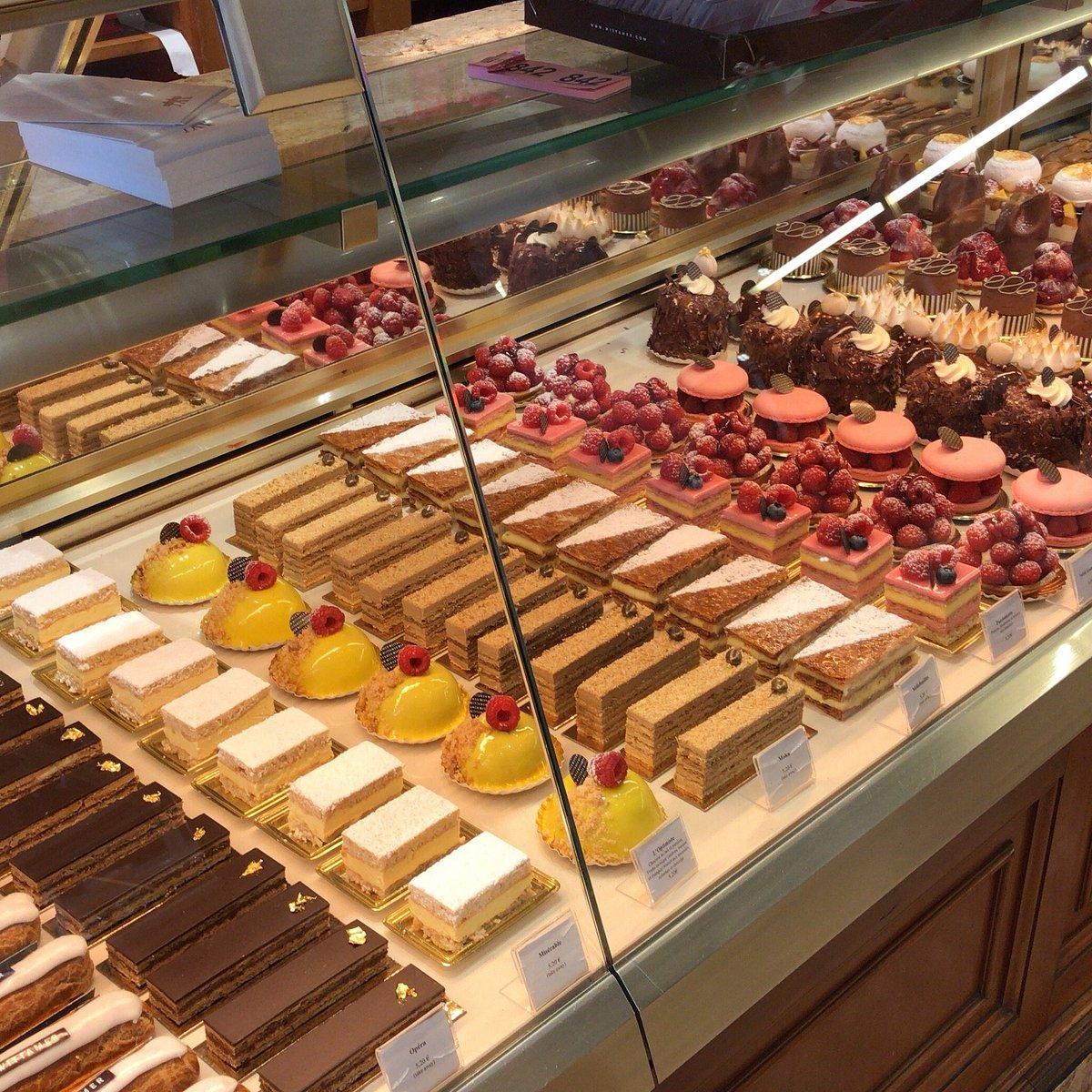
Wittamer — Place du Grand Sablon
Wittamer opened on the Sablon in 1910 and holds a Royal Warrant from the King of Belgium, one of only 3 Belgian chocolatiers to do so. The house is half patisserie, so the terrace next door gives you somewhere to sit and taste before you commit to a box. The 12-piece assortment runs around €23, making it the most approachable luxury option in the neighbourhood. Dark truffles melt fast in Cairo's heat, so pack them last and carry them on board rather than checking them in your hold luggage.
€23View on map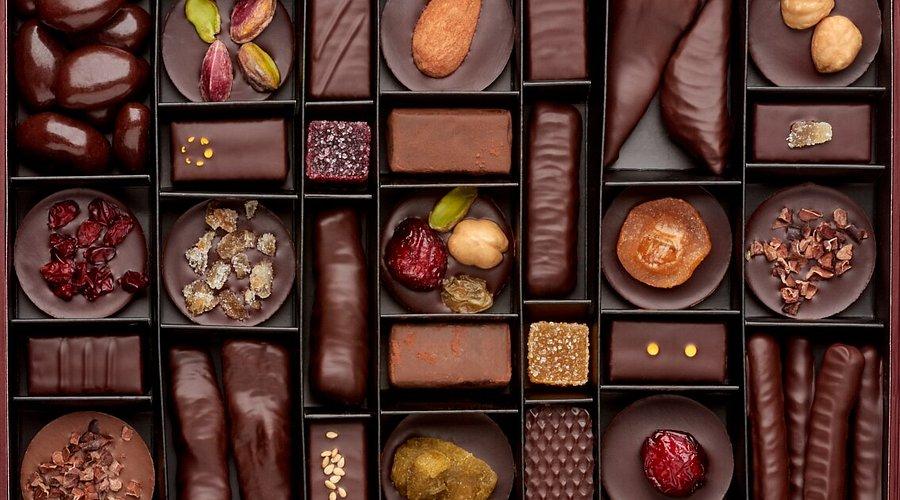
Laurent Gerbaud — Mont des Arts
Gerbaud's atelier sits at Rue Ravenstein 2D, beside the BOZAR arts centre and a 5-minute walk from Brussels-Central station. He spent 2 years in China before returning to Brussels and building a chocolate vocabulary built around less sweetness, more fruit and spice. His Saturday-morning tasting workshops run about 2 hours and are bookable directly on his website. If you find classic pralines cloying, this is where to start. Look for bark studded with dried fruits and nuts on the packaging, which signals his signature less-sugar approach.
Mary Chocolatier — Rue Royale
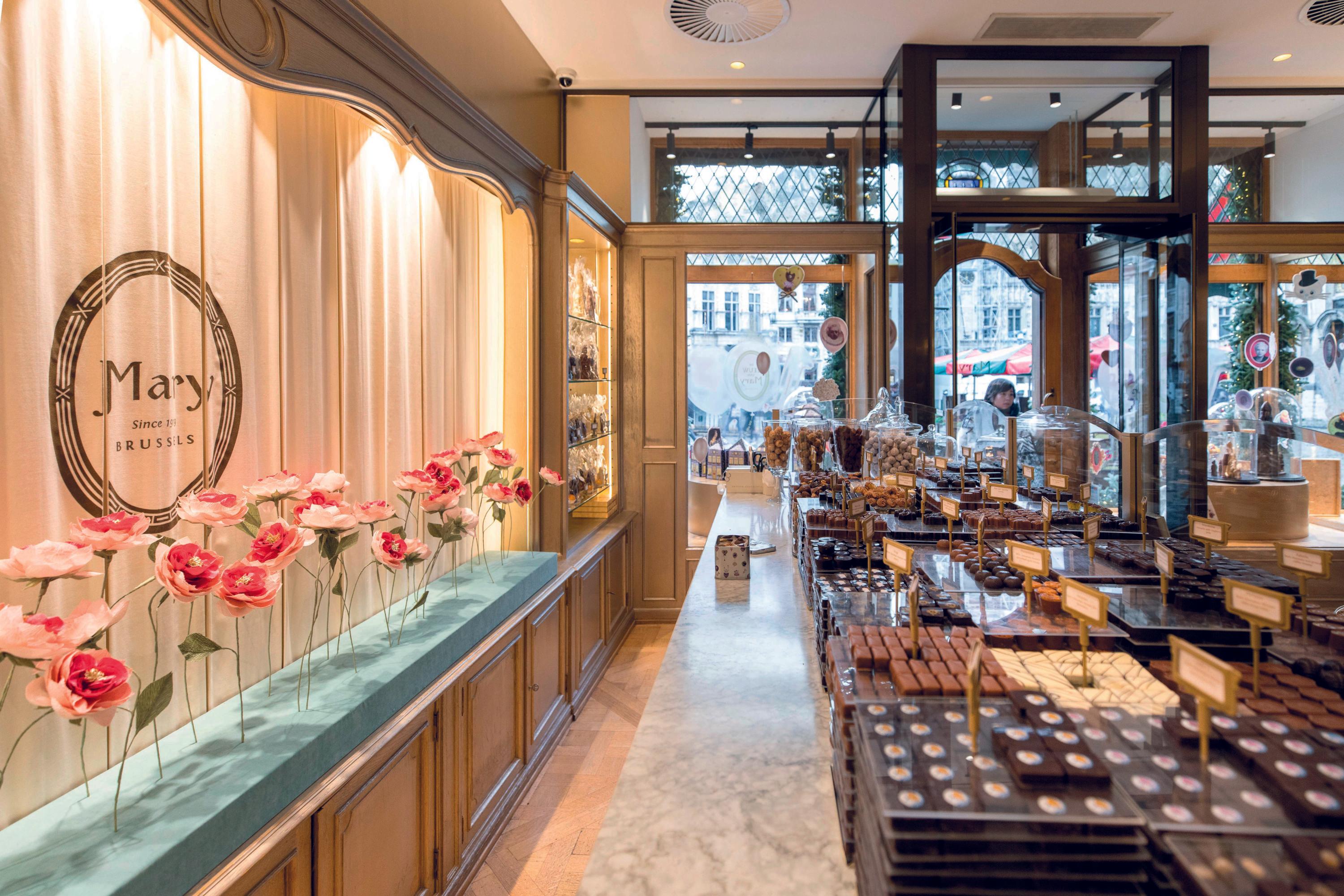
Mary has held a Royal Warrant since the house opened in 1919, making it one of 3 Belgian chocolatiers with that distinction. The Rue Royale address keeps the original Art Deco interior intact, and the pastel gift boxes are purpose-built for travel. On the counter, go straight for the champagne rose truffles and the hazelnut praline. Mary's boxes are designed to stack flat in a carry-on without crushing. Ask staff for an English-language brochure that maps each praline's filling, so you know exactly what you are handing to family back home in Cairo.
Frédéric Blondeel — Sainte-Catherine
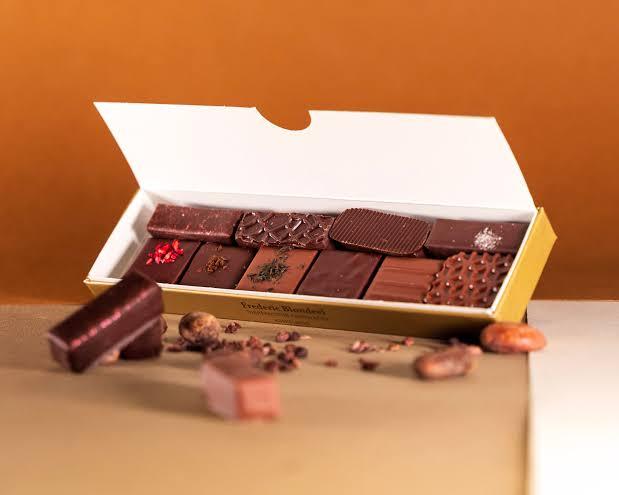
Blondeel operates from the Sainte-Catherine neighbourhood, a 10-minute walk from the Grand Place, and is one of the city's most respected bean-to-bar roasters. Unlike the Sablon houses, his shop keeps a transparent workshop so you see roasting and grinding happening behind the counter. He is Gault&Millau-recognised and worth visiting specifically for single-origin dark bars, which carry better than cream-filled pralines on a long-haul flight back to Cairo. Dark chocolate with at least 70% cacao content tolerates temperature fluctuation better than milk or white varieties.
The Belgian Chocolate Makers — Sablon
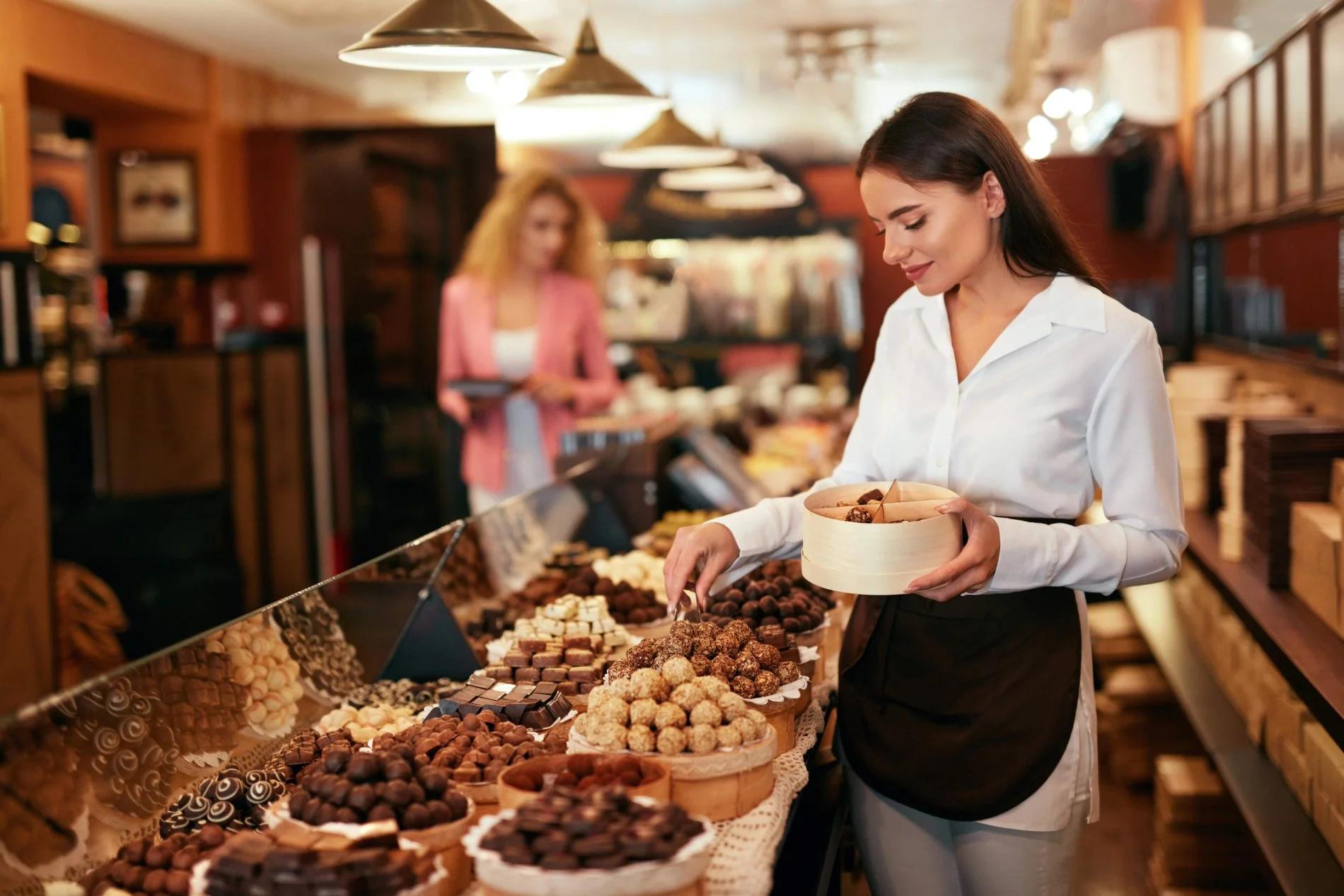
At Rue Lebeau 7–11, one block from Wittamer, this artisan house sits inside the Sablon cluster without the heritage-brand price premium. It is the right stop if you want to round off a Sablon walk with something genuinely craft-level before heading to the metro. Look for packaging that shows a production date rather than just a best-before date. Artisanal pralines with no preservatives typically carry a shelf life of only a few weeks, so buy these last, on your departure day or the day before, and keep the box in an insulated bag for the flight.
How to Route Your Brussels Chocolate Day
Start at Grand Sablon, Brussels' most concentrated chocolate quarter, where Pierre Marcolini and Wittamer sit within easy walking distance of each other on Place du Grand Sablon. Taste before you commit to a box. Both houses run distinct styles, so sampling a single piece at each gives you a real basis for comparison before spending.
From the Sablon, head downhill toward the centre and step into the Galeries Royales Saint-Hubert, the 1847 glass-and-iron arcade where Neuhaus has occupied the same address since the praline was invented here in 1912, per the house's own records. The arcade holds several chocolatiers close together, which makes it practical for comparing boxes, packaging, and ingredient labels in one pass.
If you want a genuinely different approach to chocolate, add a stop at Laurent Gerbaud near Mont des Arts or Frédéric Blondeel in Sainte-Catherine. Both were named among Brussels' top 10 artisan chocolatiers by the independent Tartine et Boterham jury in March 2026, with Blondeel taking the 2026 Honorary Prize for his pioneering role in Belgium's bean-to-bar movement. Their work sits outside the praline tradition and rewards anyone curious about cacao origin and craft roasting.
Before you buy anywhere, read the ingredient list, check the cacao origin, and confirm the expiry date. Fresh pralines have a short shelf life. Buy close to your departure date and ask the shop directly about the best way to transport your purchase, since staff advice will be specific to the product and the season.
Buy Your Pralines Last — Transport Them Smart
Pick up chocolates from Pierre Marcolini, Wittamer, or Mary on your final day in Brussels, not on arrival. Pack them in carry-on luggage: the cabin stays temperature-controlled, while cargo holds can freeze or, in Cairo's summer heat, melt your pralines on the tarmac. Artisanal ganaches stay stable at roughly 16–18°C, so keep the original gift box sealed until you land.
How to Bring Belgian Chocolate Home in Good Shape
Time your shopping around your departure date. Fresh pralines and ganache-filled chocolates are more perishable than solid bars. Fillings made with fresh cream, fruit puree, or butter have a shorter ideal window, so buy them on your last full day in Brussels rather than on arrival.
Before you pay, ask the chocolatier directly about shelf life and storage. A mixed assortment should be treated according to its shortest-lived piece, and that can vary between roughly 1 to 4 weeks depending on the filling type. Some shops offer insulated packaging for warmer-season travel, so ask at the counter.
Keep chocolates in their original packaging and away from direct sunlight and heat throughout your journey. Store them in a cool, dry spot at around 15 to 18 degrees Celsius, and avoid the refrigerator unless the chocolatier specifically recommends it, since temperature swings and humidity can cause the shell to bloom.
For the flight home, carry your chocolates in hand luggage where practical. Solid chocolates, pralines, and boxed assortments are permitted in carry-on bags with no quantity limit under current EU and international aviation security rules, as of mid-2026. Liquid or spreadable chocolate formats follow the standard 100 ml cabin rule, but boxed pralines do not fall into that category. Verify your specific airline's baggage policy before departure, since weight allowances differ by carrier.