12 Things to Know Before Visiting Singapore (2026)
Planning a trip to Singapore? Here are 12 essential tips on visas, weather, attractions, local customs, transport, and budgeting to help you prepare for your visit in 2026.
Quick answer
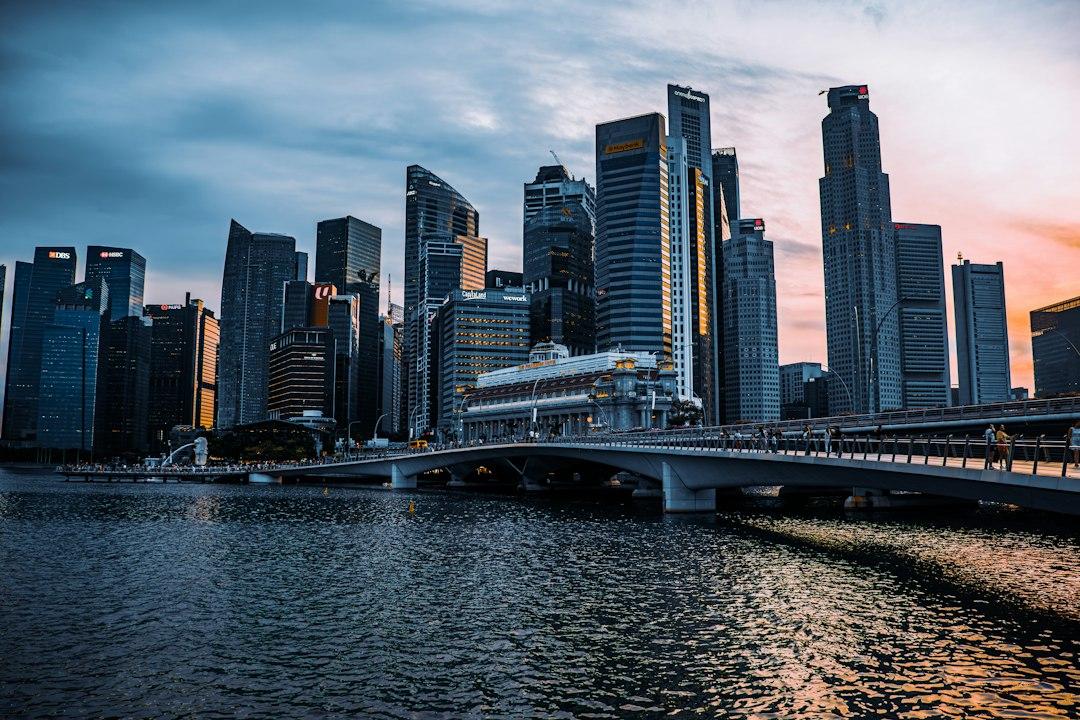
Plan to spend 3–5 days in Singapore to explore Marina Bay, Gardens by the Bay, Sentosa Island, and cultural neighborhoods like Chinatown and Little India. Egyptian passport holders need to arrange a visa before travelling, so check the latest requirements and processing times through Singapore’s official immigration website. Book popular attractions in advance, pack lightweight clothes and an umbrella, and carry both a card and some cash for hawker centres.
12 things to know before visiting Singapore
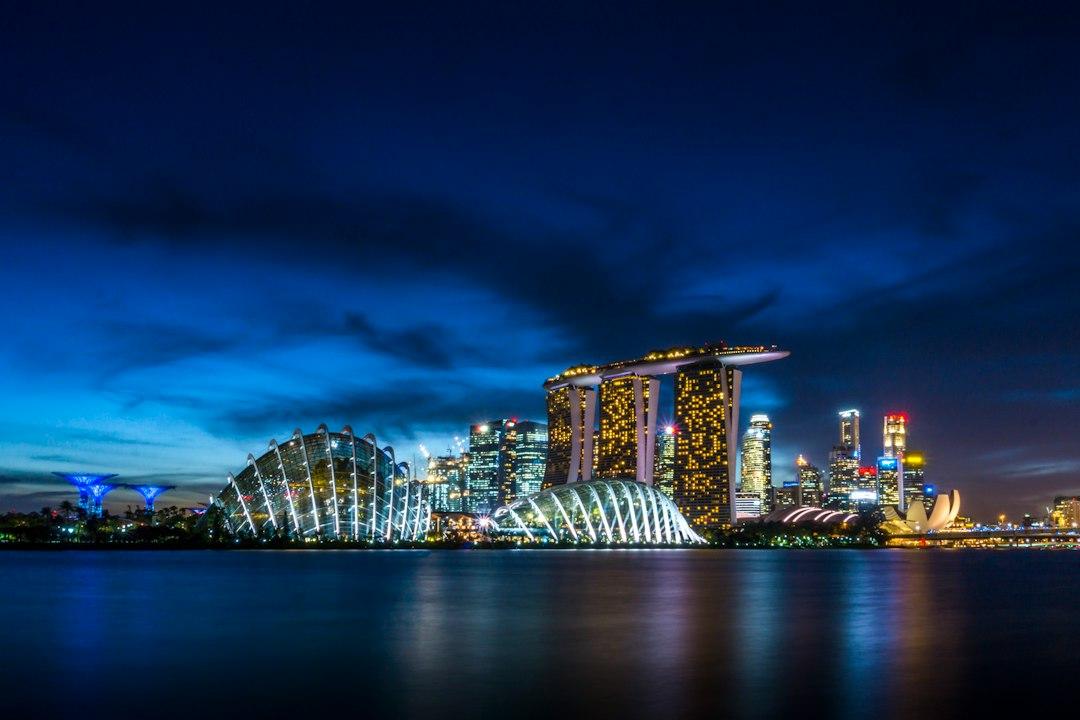
Singapore Visa Requirements for Egyptian Travelers
Egyptian passport holders need a visa to enter Singapore. A standard tourist visa is required and must be arranged before travel, per Singapore's Immigration and Checkpoints Authority (ICA), verified October 2026 at ica.gov.sg. Your passport must be valid for at least 6 months beyond your entry date. Processing typically takes 10 to 21 business days, and during peak periods such as summer or year-end, it can stretch to 30 to 45 days. Apply at least 6 to 8 weeks before departure. You also need to complete the free SG Arrival Card online at least 3 days before landing. Bring a round-trip ticket, hotel confirmation, and proof of sufficient funds.
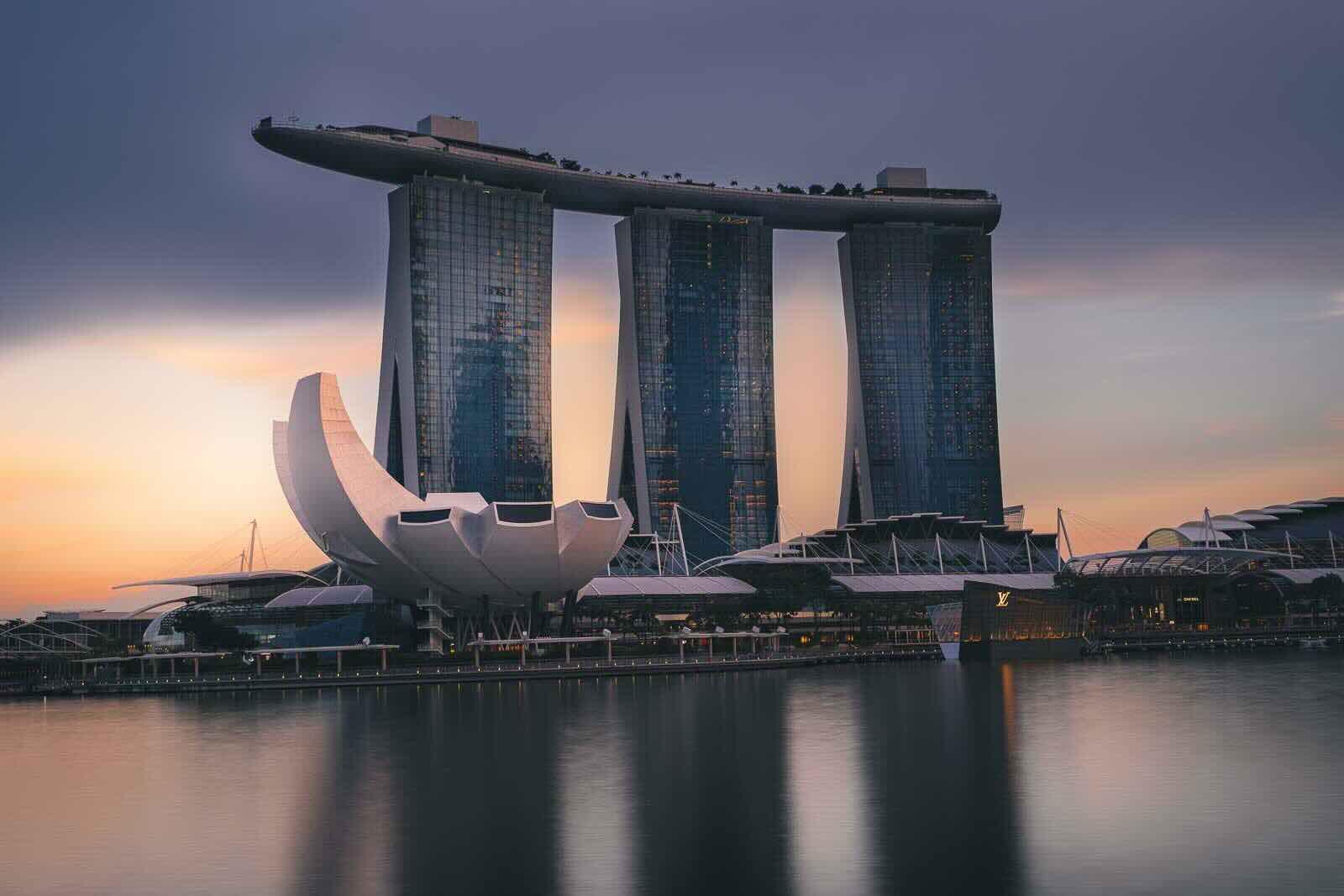
How Many Days Do You Need in Singapore?
3 to 5 days is the honest sweet spot for a first visit. Three full days covers Marina Bay, all 3 main heritage districts (Chinatown, Little India, Kampong Glam), and one big paid attraction like Gardens by the Bay or Night Safari. Add a 4th day for Sentosa Island and Universal Studios Singapore, and a 5th if you want Mandai Wildlife Reserve or a slower pace. Singapore is compact: almost every major sight sits within a 5-minute walk of an MRT station, per the Thomson-East Coast Line expansion completed in 2026.
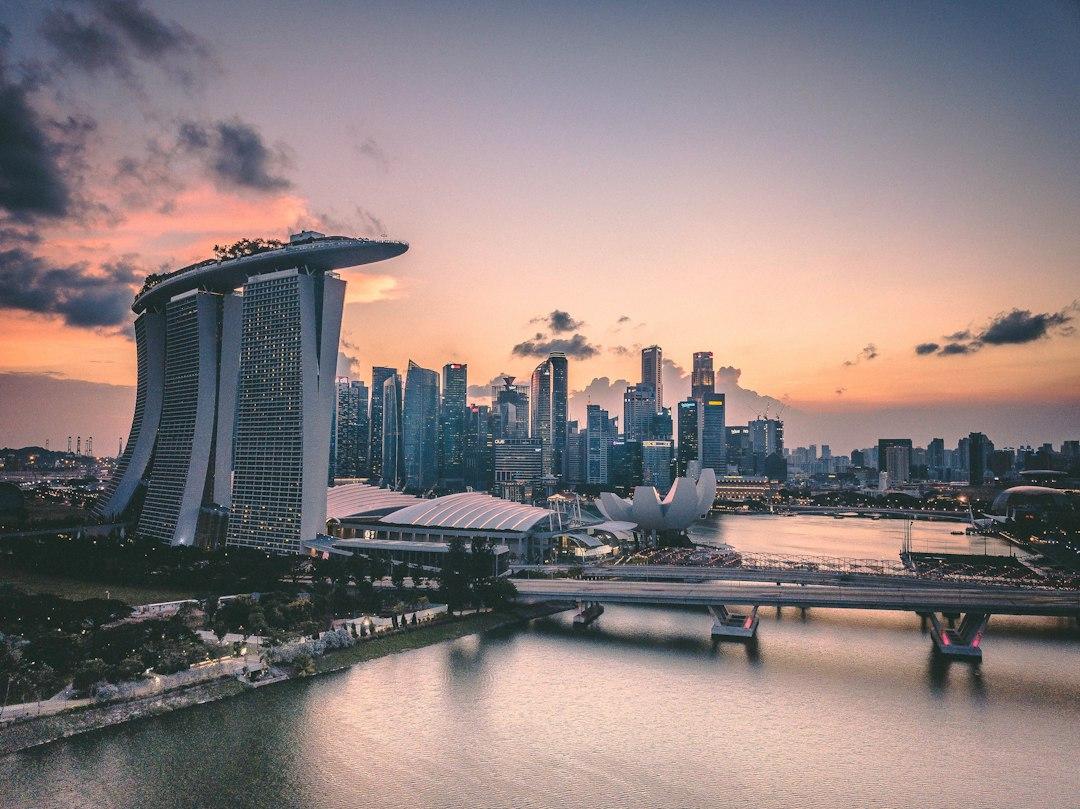
Best Time to Visit Singapore
February to April is the driest and most comfortable window. February averages only about 129 mm of rainfall, the lowest of any month, and daytime temperatures hover at 30 to 32°C with slightly lower humidity. November is the wettest month at roughly 320 mm, so avoid it if outdoor sightseeing is a priority. For Egyptian travellers flying from Cairo, note that prices for flights and hotels dip between September and November when tourist crowds thin out. Rain in Singapore is almost always a short afternoon storm, not an all-day event, so no month is truly off-limits.
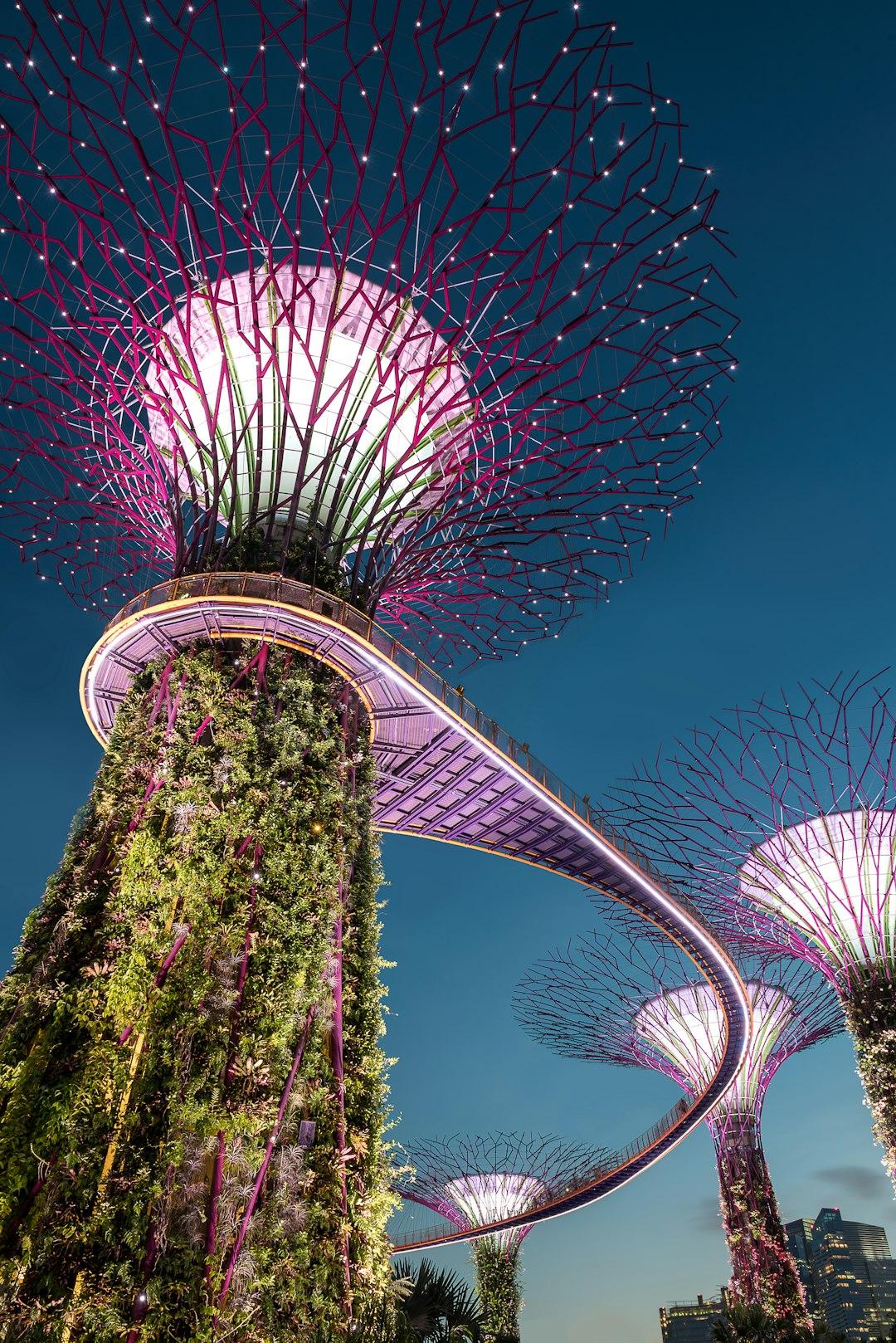
Which Singapore Attractions Should You Book in Advance?
Book your tickets online before your trip to save time and avoid long queues, especially on weekends and school holidays. Singapore has plenty of popular attractions, including Gardens by the Bay, Universal Studios Singapore, the Night Safari, Marina Bay Sands SkyPark, and the Singapore Flyer. Check each attraction’s official website for ticket prices, opening hours, and available discounts. If you plan to visit several attractions, compare combination tickets to see if you can save money. Booking ahead also helps you organize your itinerary and make the most of your time in Singapore.
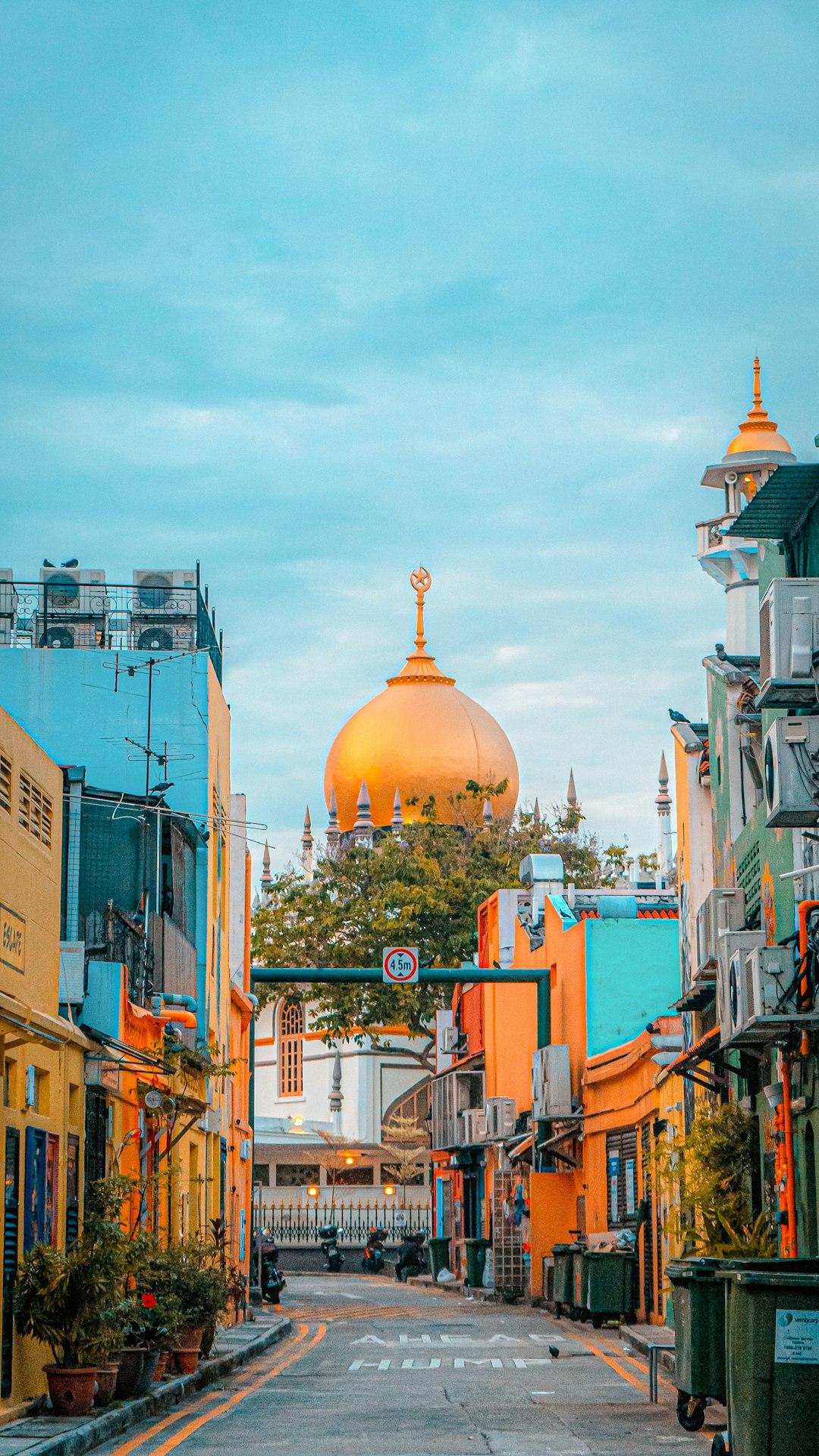
Singapore’s Culture, Languages, and Halal Food
Singapore is genuinely multicultural, which makes it unusually accessible for Egyptian travellers. The country has 4 official languages: English, Mandarin, Malay, and Tamil. English is the everyday working language, so navigating transport, menus, and signage is straightforward. The population is about 75% Chinese, 13% Malay, and 9% Indian, with Muslim, Buddhist, Hindu, and Christian communities coexisting across the island. You'll find mosques, temples, and churches within a few blocks of each other in Kampong Glam and Little India. Halal food is widely available at hawker centres and dedicated restaurants.
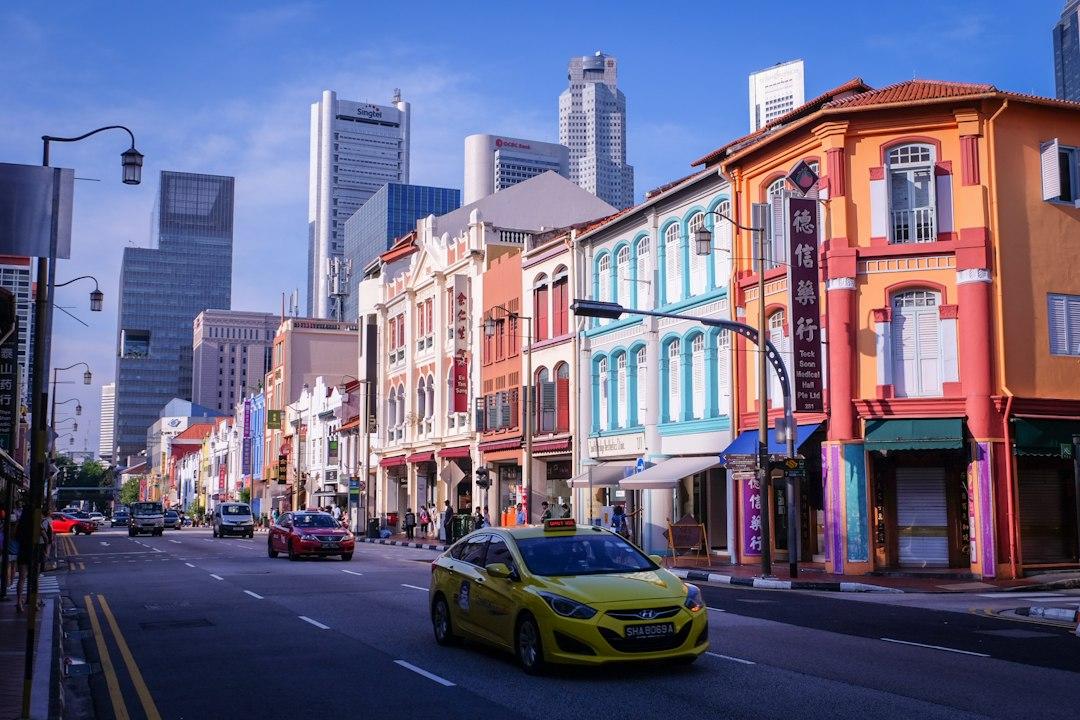
Tropical Weather and Packing Tips
Pack light, breathable clothes and a small umbrella. Singapore sits 1 degree north of the equator, so daytime highs stay at 30 to 32°C and nights rarely drop below 24°C year-round. The bigger shock for most visitors is the indoor air conditioning: every MRT train, mall, museum, and restaurant runs cold enough to feel like winter. Bring one light layer or a scarf for indoor relief. Comfortable walking shoes matter more than anything else; most heritage neighbourhoods require 2 to 4 km of walking per half-day. Sunscreen and a reusable water bottle round out the essentials.
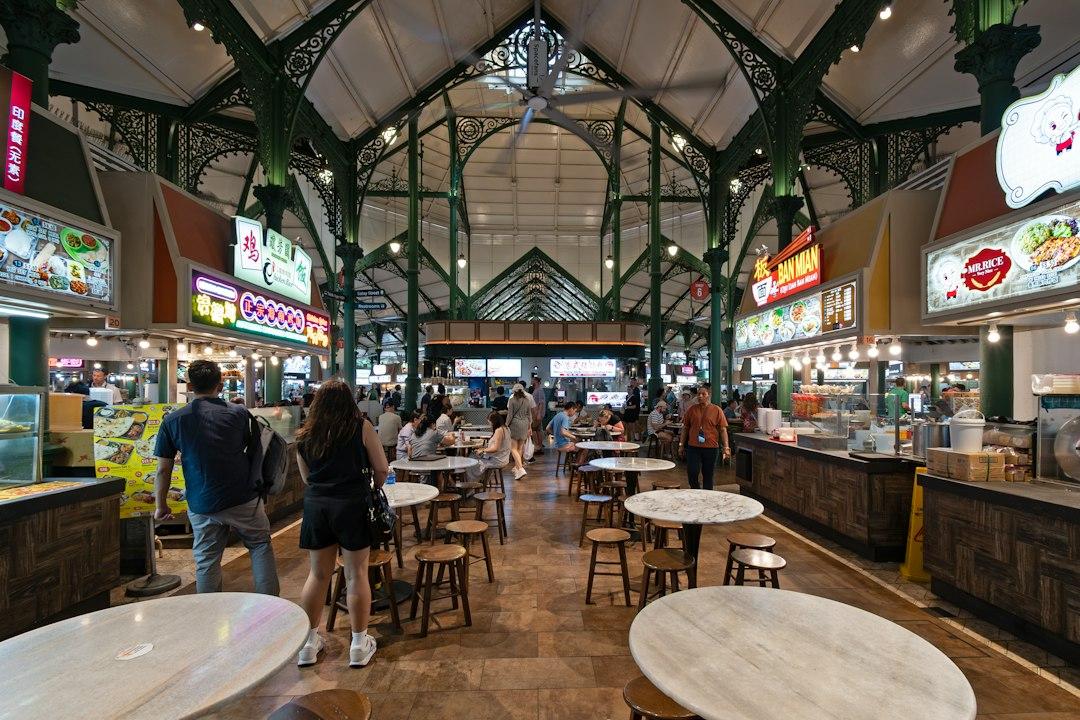
Cash or Card: How to Pay in Singapore
Singapore is highly cashless, but hawker centres are the exception. Hotels, malls, chain restaurants, and all MRT gantries accept contactless Visa, Mastercard, Apple Pay, and Google Pay without issue. The problem appears at hawker centres and small neighbourhood stalls, where many vendors are still cash-only or prefer it. Carry SGD 50 to 100 in small notes at all times. The MRT also accepts contactless bank cards directly at the gate, so an EZ-Link card is optional for most tourists. Check today's SGD exchange rate at the Central Bank of Egypt's official site (cbe.org.eg) before you travel.
SGD 50–100 recommended cash floatCheck today's EGP to SGD rate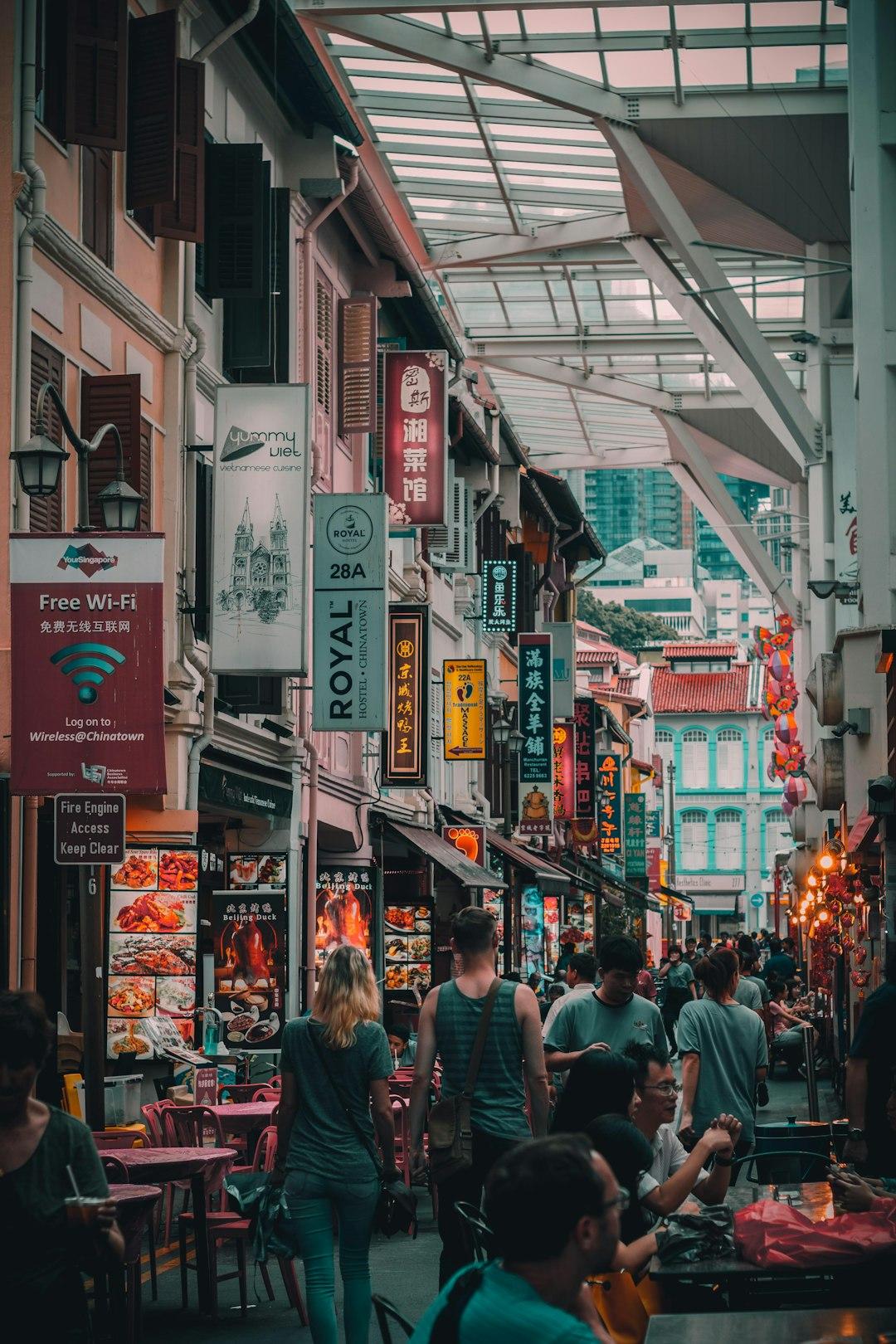
Tipping in Singapore
Do not tip at hawker centres, food courts, or most local restaurants. Singapore has no tipping culture. Full-service restaurants automatically add a 10% service charge plus 9% GST, shown as '++' on menus; that service charge goes to the business, not the server, and adding extra on top is not expected. At hawker centres, the price you see is the price you pay. If you choose to tip a hotel porter or a genuinely exceptional server, a small cash amount of SGD 2 to 5 is considered generous by local standards. The instinct to tip from Egyptian hospitality culture is appreciated but not required here.
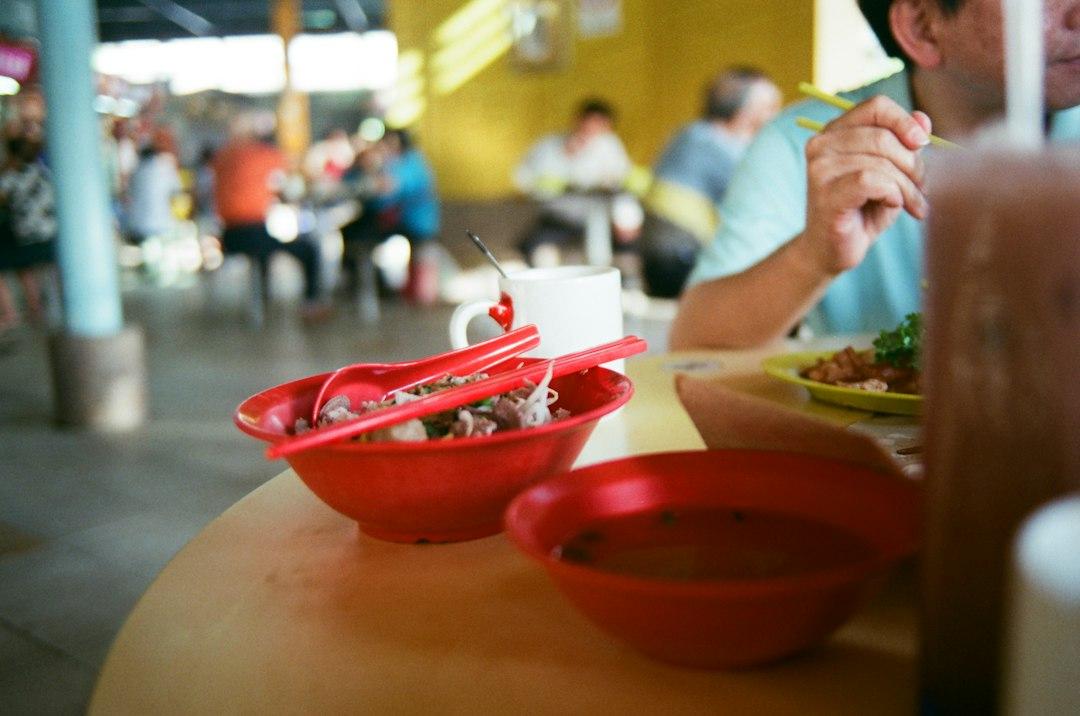
What Is Chope-ing in Singapore?
A tissue packet on a table means the seat is taken. 'Chope' is a Singaporean verb meaning to reserve a seat, and the universal tool is a packet of tissues left on the table before you queue to order. An umbrella, a water bottle, or a name card works too. This informal system runs entirely on social trust and everyone respects it. At busy lunchtime in centres like Maxwell Food Centre or Lau Pa Sat, seats fill fast. Drop your tissues first, then queue. Do not move or sit at a choped table; just find another one.
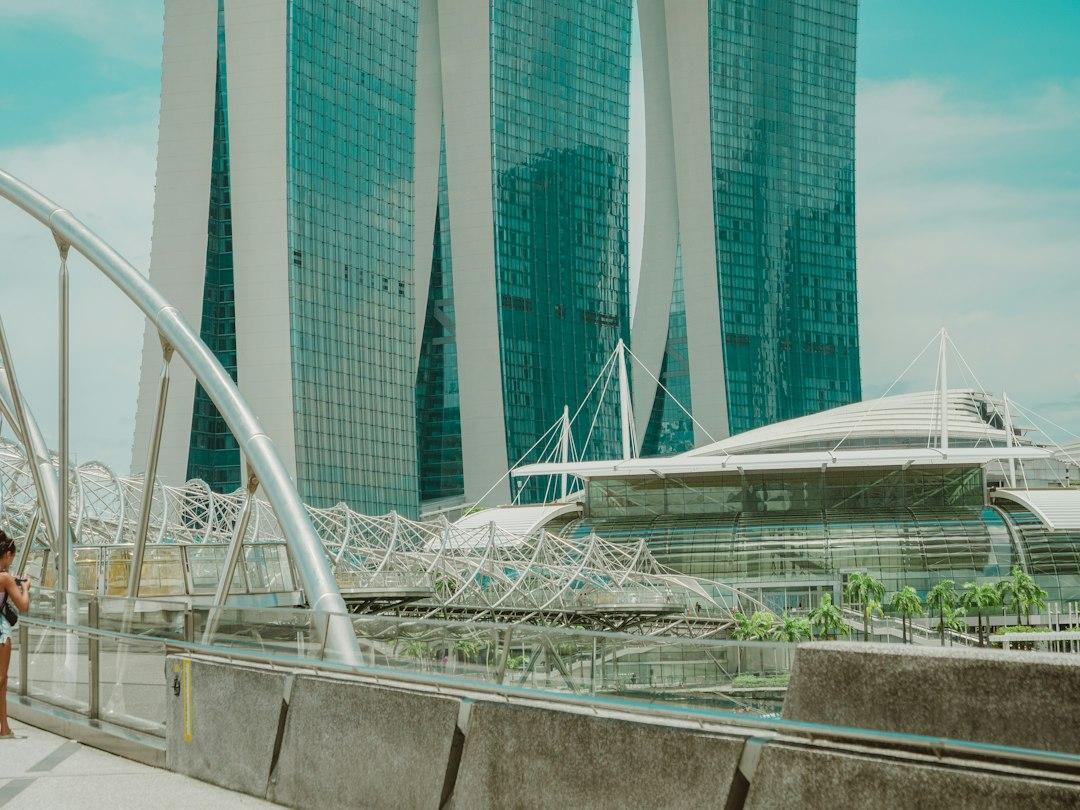
Safety and Laws
Singapore is one of the safest cities in the world for tourists. Crime rates are very low and the city is well-lit, well-policed, and easy to navigate at night. That said, Singapore enforces its rules firmly: eating or drinking on the MRT carries a fine, chewing gum (with limited medical exceptions) is banned from sale, and littering can result in a public corrective work order. Drug offences carry severe mandatory sentences. You will also see signs about fines for jaywalking. Follow the rules posted in public spaces and you will have no issues. The city's infrastructure and medical care are excellent.
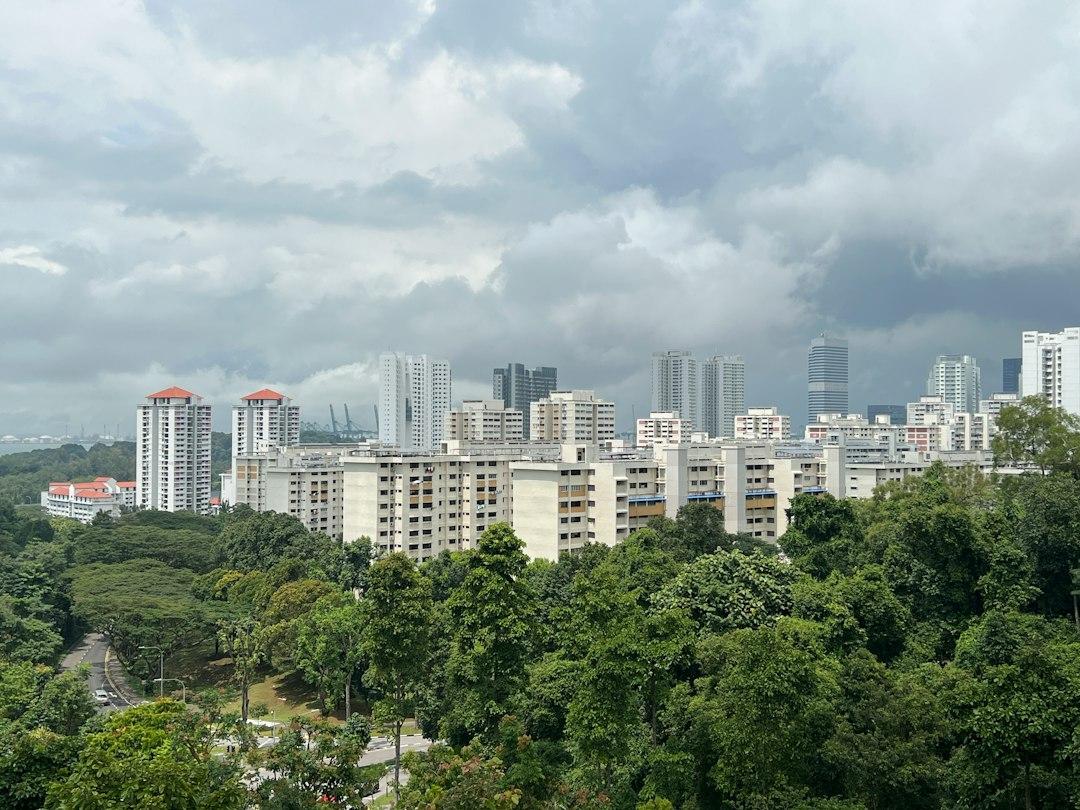
Natural Disasters and Tropical Weather Risks
Singapore has no earthquakes, typhoons, or volcanoes. Its location on the southern tip of the Malay Peninsula places it outside the main typhoon belt, and it sits away from major fault lines. The main weather risk for tourists is regional haze from forest fires in neighbouring countries, most likely between June and October, which can briefly reduce air quality. Check the National Environment Agency's daily Pollutant Standards Index (PSI) at haze.gov.sg if you have respiratory sensitivities. Short, heavy afternoon thunderstorms are common year-round but rarely last more than 30 to 60 minutes.
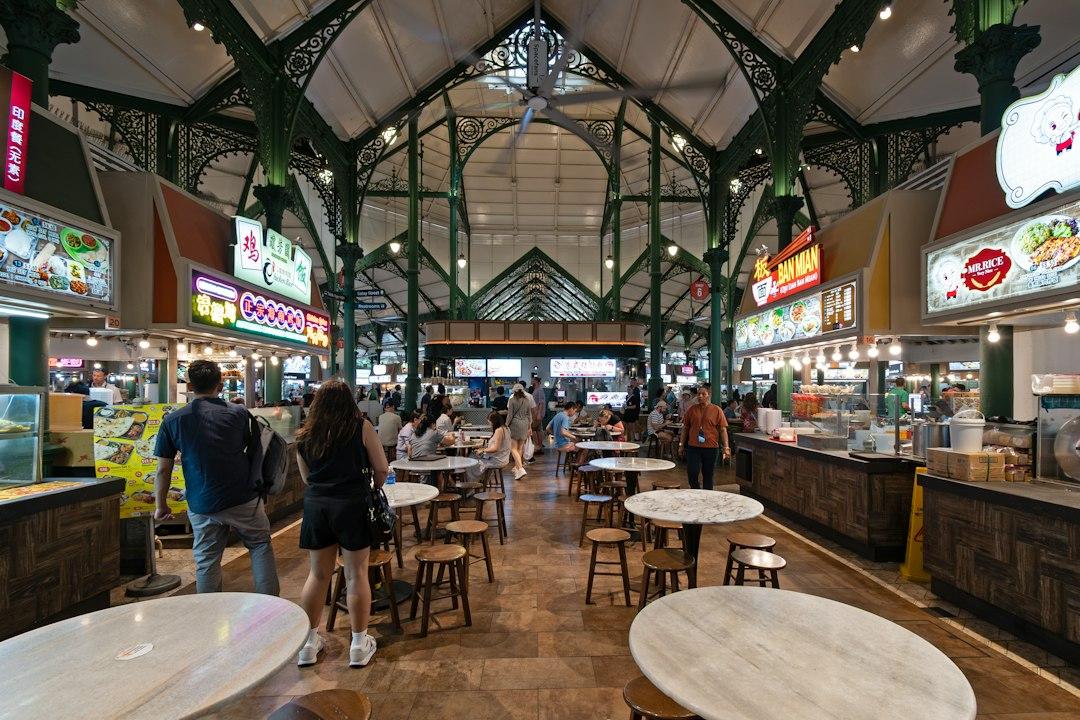
Is Tap Water Safe to Drink in Singapore?
Drink straight from the tap. Singapore's water supply is treated, tested, and officially classified as safe by the Public Utilities Board (PUB). You do not need to buy bottled water; bring a reusable bottle and refill at the free water coolers available at most MRT stations and major attractions. Hawker centre food is also safe: these government-licensed stalls are inspected regularly by the Singapore Food Agency. A full meal at a hawker centre costs roughly SGD 4 to 10 per dish, which in EGP works out to a fraction of a restaurant meal. Check today's SGD rate at cbe.org.eg for the current equivalent.
SGD 4–10 per hawker meal