Capsule Hotels vs Hostels in Japan: Prices, Pros and Cons
Compare capsule hotels and hostels in Japan by price, privacy, facilities, and convenience to choose the right stay for your trip.
Quick answer
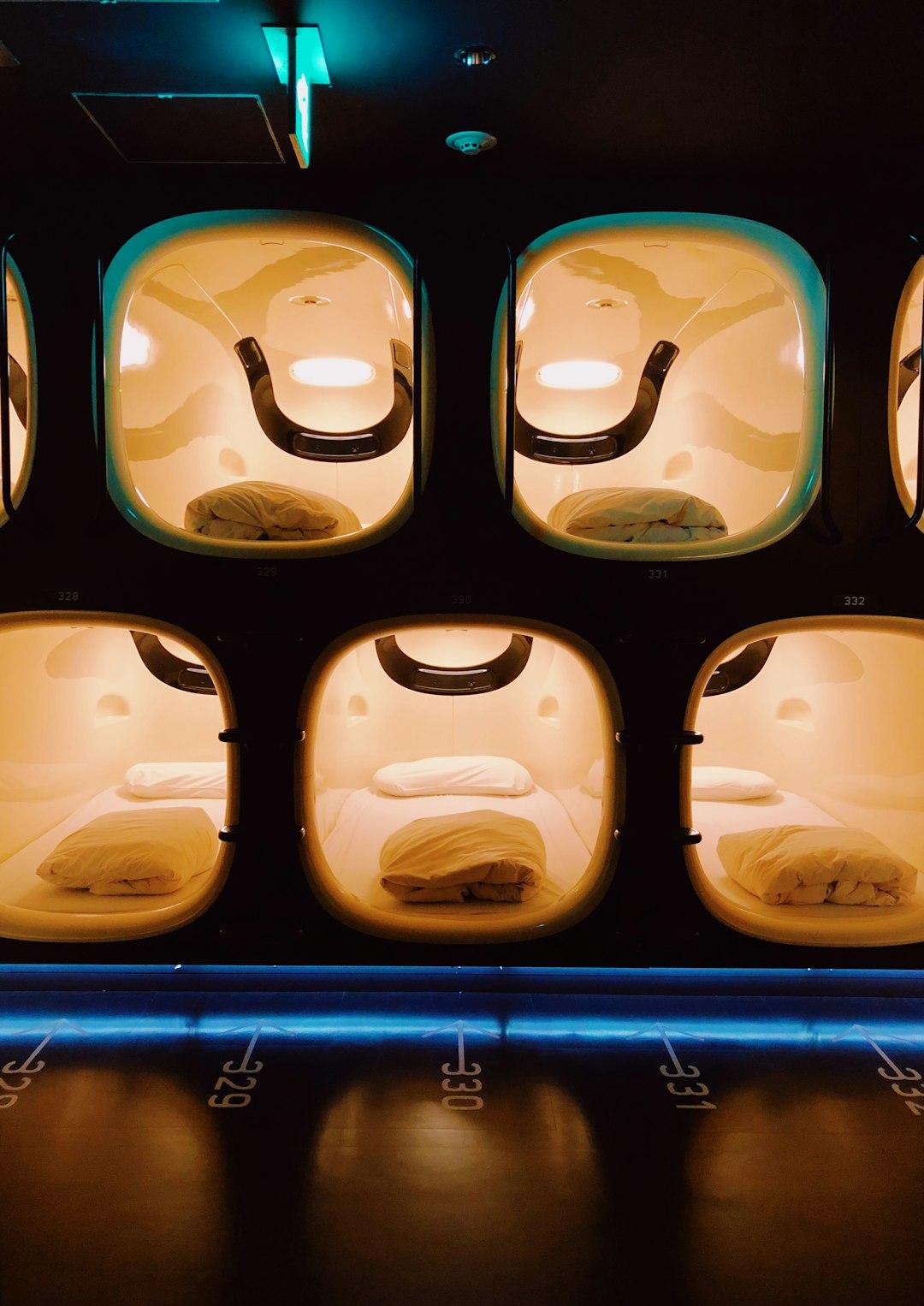
Capsule hotels and hostels are both budget-friendly accommodation options in Japan, but they suit different travel styles. Capsule hotels give solo travellers an individual sleeping pod and more separation from other guests, while hostels offer dorm beds, shared common areas, and more opportunities to socialise. Compare the total price, location, luggage storage, and bathroom facilities before booking. For couples and families, a hostel private room may be more practical than booking separate capsules.
Capsule Hotels vs Hostels in Japan, at a glance
| Capsule Hotel | Hostel (Dorm Bed) | |
|---|---|---|
| Nightly price range (2026) | Typically around ¥3,000–¥6,500 per pod, depending on the city, property, and travel dates | Typically around ¥2,500–¥5,500 per dorm bed, depending on location and availability |
| Typical stay duration | 1–2 nights. Best suited to short stops, transit layovers, or city-hopping on a fixed itinerary. Extended stays can feel cramped in a 2m x 1m pod. | 2–5 nights. Communal kitchens, luggage storage, and social spaces make longer stays more practical. Private-room upgrades available at ¥6,000–¥10,000/night. |
| Privacy and sleeping setup | More separation than a standard dorm bed, but you may still hear other guests. Sleeping areas are often separated by gender | Less privacy in shared dorms, where guests share the same room. Some beds have privacy curtains, but this varies |
| Bathroom access | Shared bathrooms, always. Many capsule hotels include an onsen-style communal bath or sauna at no extra cost — a genuine perk over hostels. Soap, shampoo, and towels typically provided. | Shared bathrooms, always. Standard showers cleaned multiple times daily at mid-range properties. No onsen or sauna equivalent. Some hostels offer ensuite private-room upgrades. |
| Social atmosphere | Low to minimal. Pod areas are treated as quiet zones; conversation is expected in the lounge. Modern 'design capsule' brands like The Millennials add bars and co-working spaces, raising the social factor. | High. Communal kitchens, organized events, and shared lounges are the norm. Hostelz.com lists 917 properties across Japan, many with strong social programs — practical for solo travellers wanting to meet others. |
| Luggage and storage | Coin-operated lockers at check-in, typically ¥500–¥1,000 per use. Large bags must go in the locker; do not leave valuables inside the pod, which has a curtain rather than a lock. | Many hostels provide lockers, luggage rooms, or under-bed storage. Check whether the space fits your bags and whether it costs extra |
| Accessibility and ease for first-timers | Moderate. Rules around quiet zones, shared baths, and etiquette are specific to Japanese capsule culture and require a short learning curve. Most chains offer English check-in; some are male-only. | Low barrier. Mixed-gender dorms are standard. English-speaking staff at tourist-area hostels is reliable. Familiar bunk-bed format will feel comfortable for Egyptian travellers with any backpacking experience. |
| Deal-breaker | No lockable door on the pod; couples cannot share a capsule. Some properties with onsen ban visible tattoos. Claustrophobic travellers may find the 2m x 1m pod difficult. | Significantly less privacy than a capsule: noise, light, and movement from 4–12 bunkmates are unavoidable in dorm rooms. Popular Tokyo hostels price above ¥5,000 on peak dates, matching capsule costs. |
| Best for | Solo travellers wanting privacy on a budget, transit passengers, anyone doing 1-night city stops across a multi-city itinerary. Not suitable for couples sharing a bed or groups wanting a common space. | Solo travellers wanting to meet people, budget backpackers on longer trips, small groups who can book an entire dorm. Private-room options work for couples on a tighter budget than a hotel. |
When to pick each
Pick a capsule hotel if you want more privacy on a budget
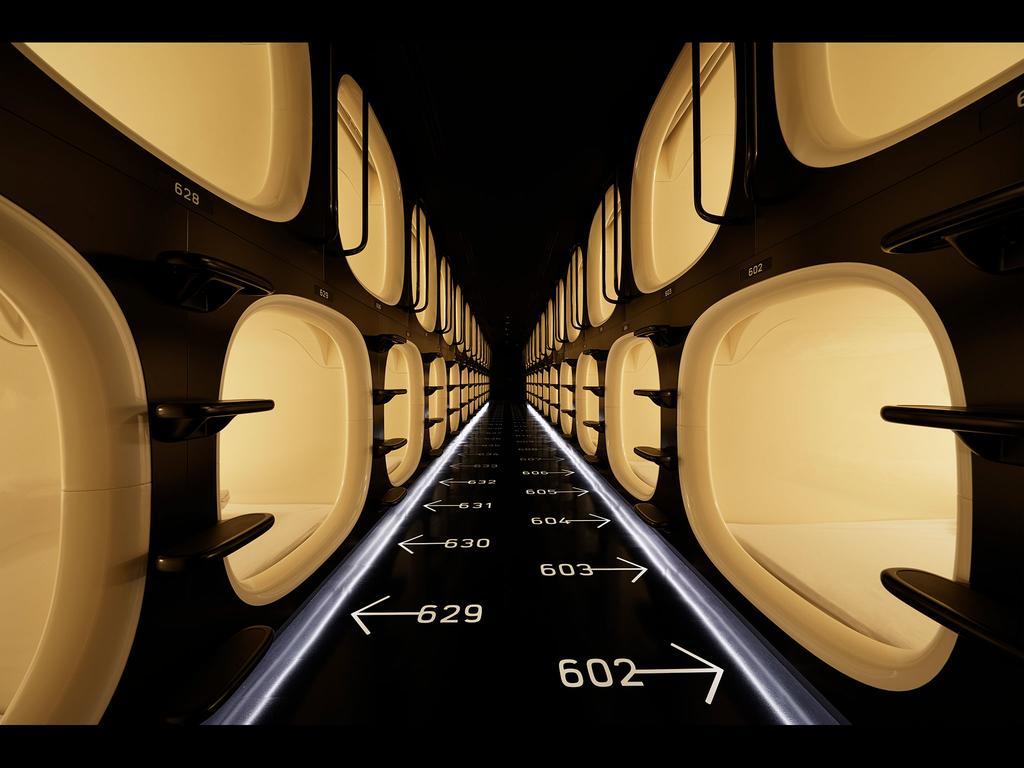
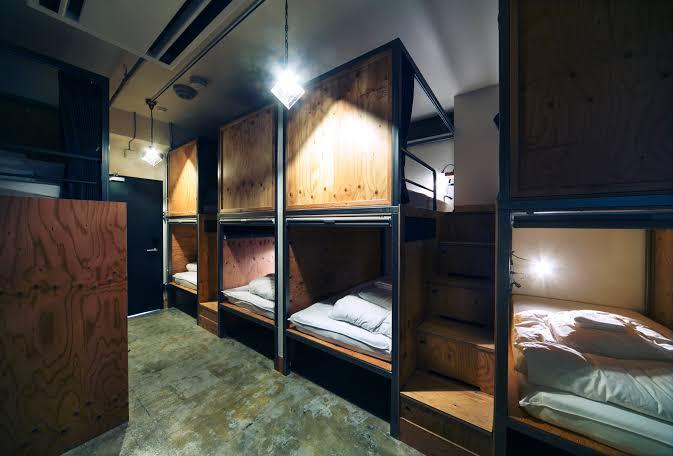
Each pod has a curtain or sliding shutter, a locked locker, and your own light and charging outlet, so you never share your sleeping space with a stranger. That enclosed pod beats an open bunk bed for anyone who values personal space but can't stretch to a private room. Tokyo capsules run roughly ¥3,500–5,500 a night, per verified 2026 OTA data.
Pick a capsule hotel if you're a solo traveller arriving late at night
Capsule hotels cluster around major train stations in Tokyo, Osaka, and Kyoto, making a late-night arrival fast and stress-free. Most operate a 24-hour front desk, and check-in is often automated with an English-language kiosk. Chains like Nine Hours and First Cabin have multiple city-centre locations, so you're rarely more than a short walk from your station.
Pick a capsule hotel if Osaka is your base and cost is the priority
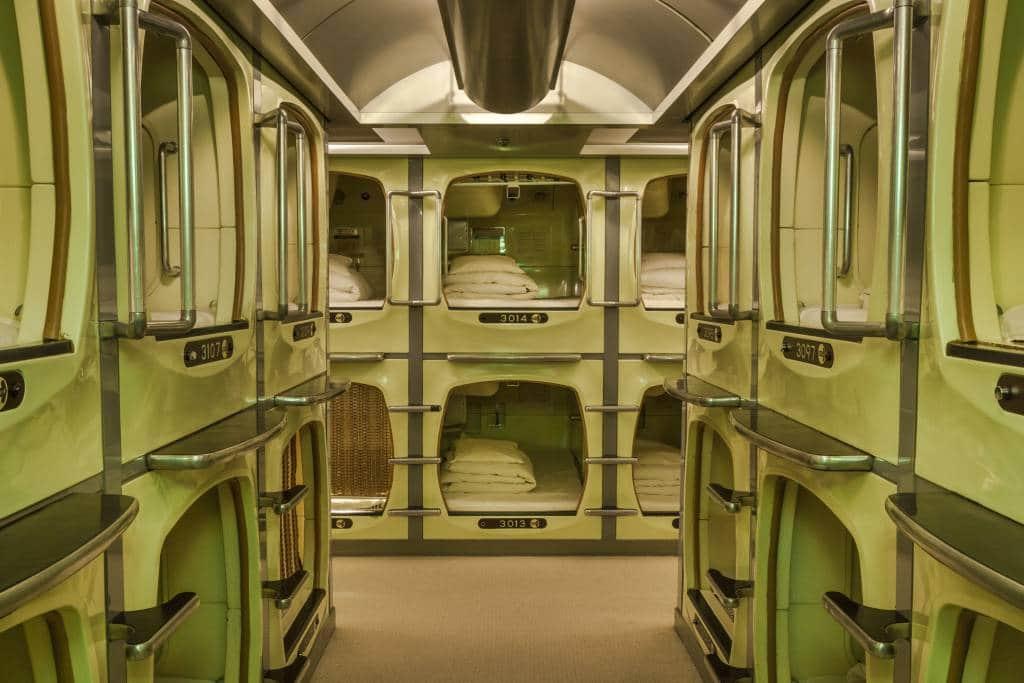
Osaka has the cheapest capsule rates of the three main cities. Pods near Namba and Dotonbori run ¥2,800–4,500 a night (roughly 960–1,550 EGP), per 2026 price data from selfguidejapan.com. At those rates, the saving over a hostel dorm narrows, but you gain the private pod and a locker that's included in the room rate.
Pick a hostel if you're travelling with a partner or small group
Hostels offer private twin or double rooms alongside dorm beds, so couples and friends can share a room legally and comfortably. Capsule hotels are individual by design: almost all separate floors by gender, and two capsules for a couple at ¥4,000 each (¥8,000 total, roughly 2,750 EGP) costs nearly as much as a shared hostel private room, per 2026 data, with far less togetherness.
Pick a hostel if you're travelling with large suitcases
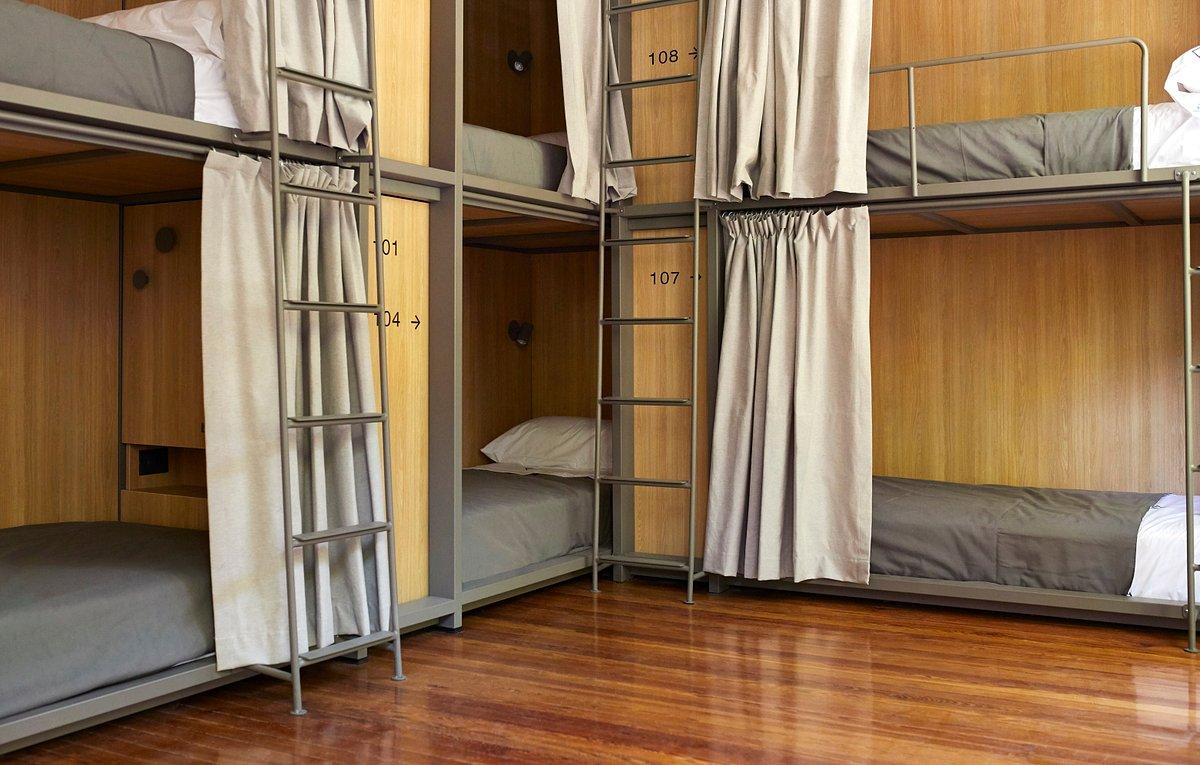
Capsule pod lockers are not designed for full-size luggage: a standard 70-litre suitcase often won't fit, and you may pay extra for a separate luggage room. Hostels generally have larger, more flexible storage areas, and many offer day-bag drop at no charge. This matters for Egyptian travellers on long itineraries who tend to pack for all seasons.
Pick a hostel if you want a kitchen to cut food costs
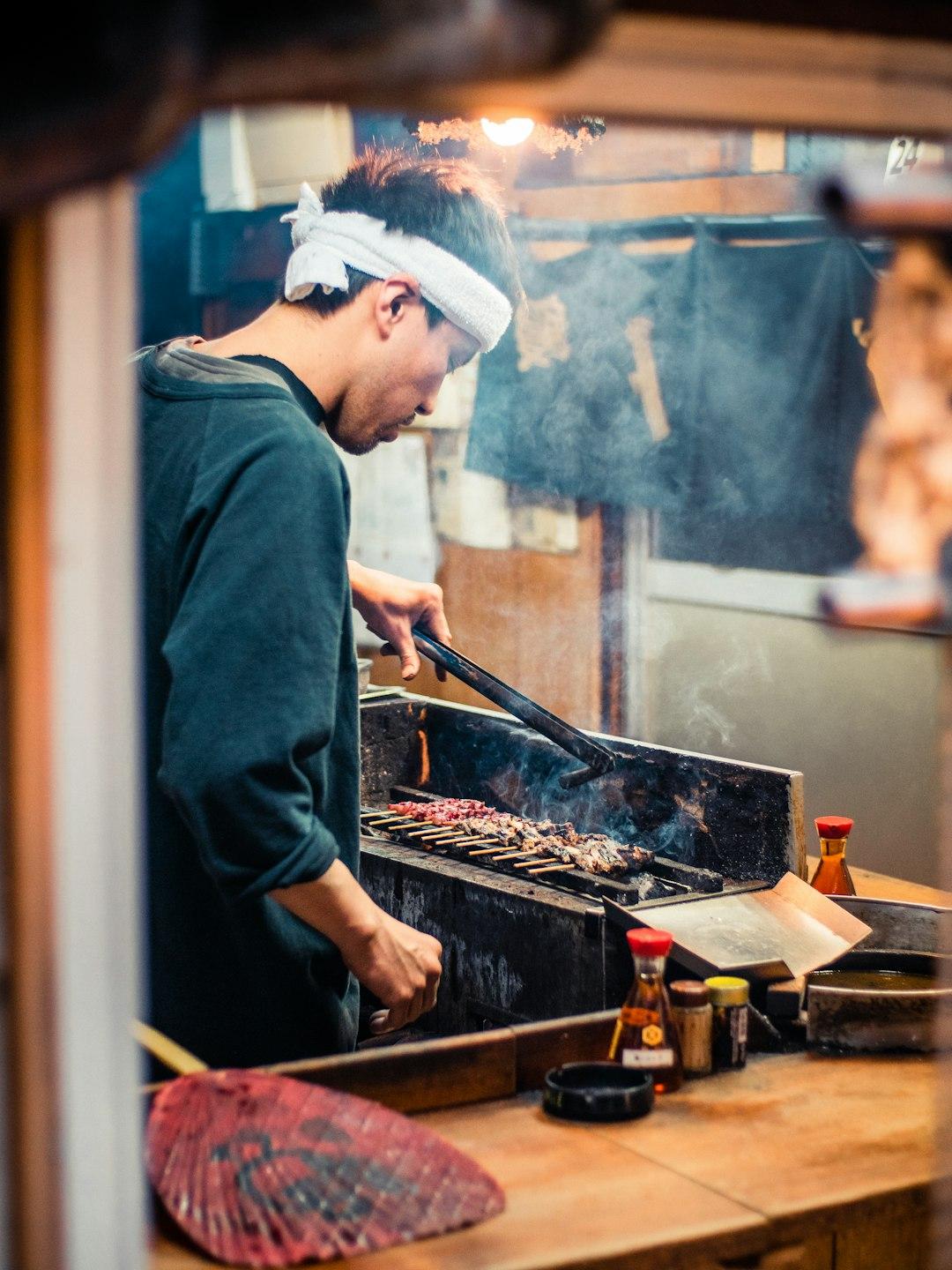
Many Japanese hostels offer shared kitchens where guests can prepare their own meals, helping reduce food costs during a trip. Capsule hotels, by comparison, rarely have cooking facilities. For Egyptian travellers who want to prepare halal meals or keep spending under control during a 10-day stay, a hostel with a kitchen can be a practical choice. However, kitchen access varies by property, so check the amenities before booking.