7 Best Traditional Desserts to Try in Vienna (2026)
Discover Vienna's most iconic Austrian desserts, from Sachertorte and Apfelstrudel to Kaiserschmarrn, with the best cafés to try them and prices for 2026.
Quick answer
Sachertorte takes the top spot as Vienna's most iconic dessert, with its rich chocolate sponge, apricot jam, and signature dark chocolate glaze. Try it at Café Sacher Wien for approximately €9 per slice. Other traditional favourites include Apfelstrudel at Café Residenz, Kaiserschmarrn at Demel, and Buchteln at Café Hawelka. The list also covers Cremeschnitte, Linzer Torte, and Palatschinken, with prices ranging from around €4 to €15 depending on the dessert and café.
7 Best Traditional Desserts to Try in Vienna, Austria (2026)
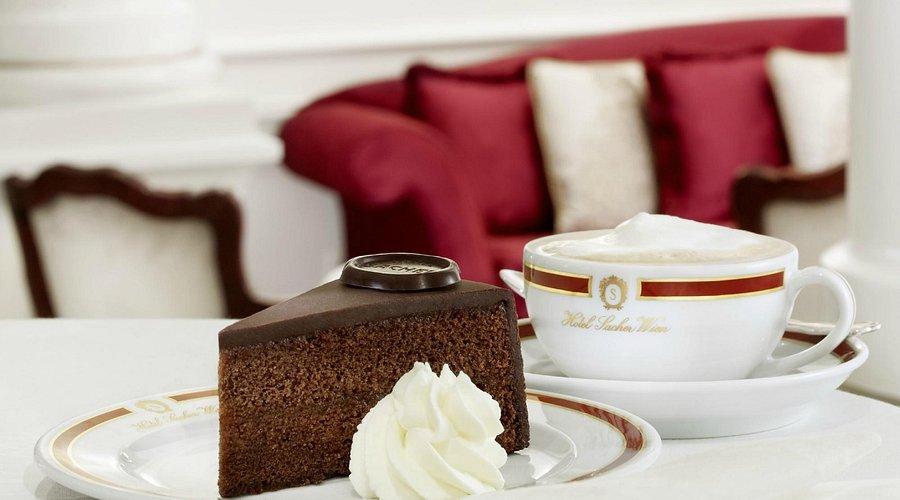
Sachertorte at Café Sacher Wien
No visit to Vienna is complete without trying Sachertorte, the city's most famous chocolate cake. Created by Franz Sacher in 1832, this nearly 200-year-old dessert has become an essential part of Austrian culinary heritage. It features a rich, dense chocolate sponge layered with a thin spread of apricot jam and covered in a smooth dark chocolate glaze. It is traditionally served with a generous portion of Schlagobers, Austria's lightly whipped, unsweetened cream.
For an authentic taste, head to Café Sacher Wien (Philharmoniker Str. 4, 1st District), where a slice costs approximately €9, or Demel (Kohlmarkt 14), where prices are around €8, based on 2026 reported prices. Both cafés are well-known destinations for experiencing Vienna's traditional Sachertorte.
The dessert contains no pork. However, if you avoid alcohol, ask the café staff to confirm that the apricot jam and chocolate glaze are alcohol-free.
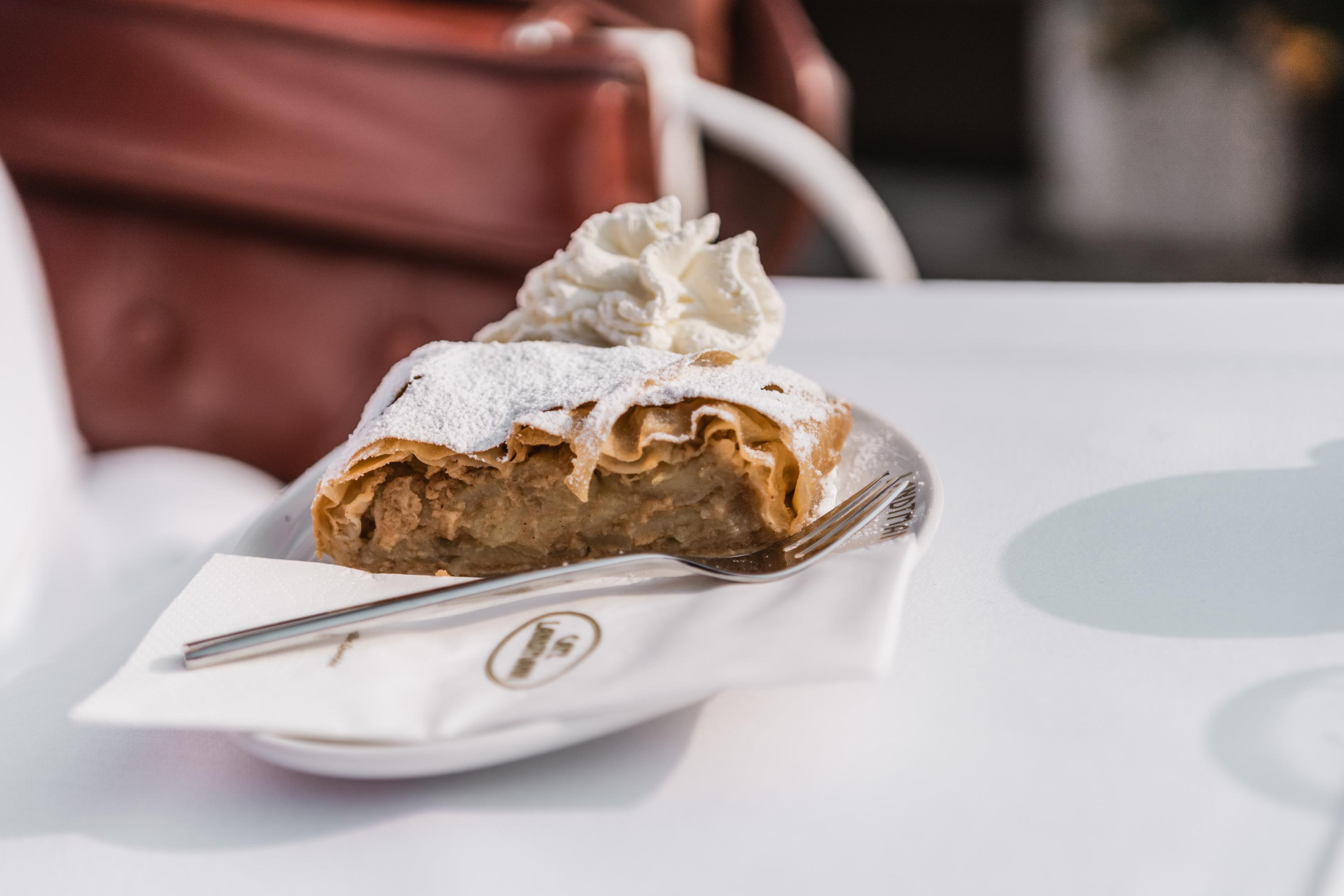
Apfelstrudel at Café Residenz, Schönbrunn Palace
Apfelstrudel is one of Vienna's most beloved traditional pastries, with a history dating back centuries. The oldest known handwritten recipe dates to 1696 and is preserved in the Vienna City Library. This classic Austrian dessert features delicate, paper-thin pastry wrapped around a filling of tart apples, cinnamon, raisins, sugar, and butter-toasted breadcrumbs. It is usually served warm, often dusted with powdered sugar.
For a memorable experience, visit Café Residenz at Schönbrunn Palace (Kavalierstrakt 52, 13th District), where you can watch a traditional strudel-making demonstration and enjoy a slice with a hot drink for approximately €14 per person. Alternatively, Demel (Kohlmarkt 14) serves Apfelstrudel for around €9.50 per slice, while local bakeries offer more affordable options, typically costing €3–5.
The traditional recipe contains no pork or alcohol, making it a suitable option for travellers looking for a classic Austrian dessert without these ingredients.
Kaiserschmarrn at Demel
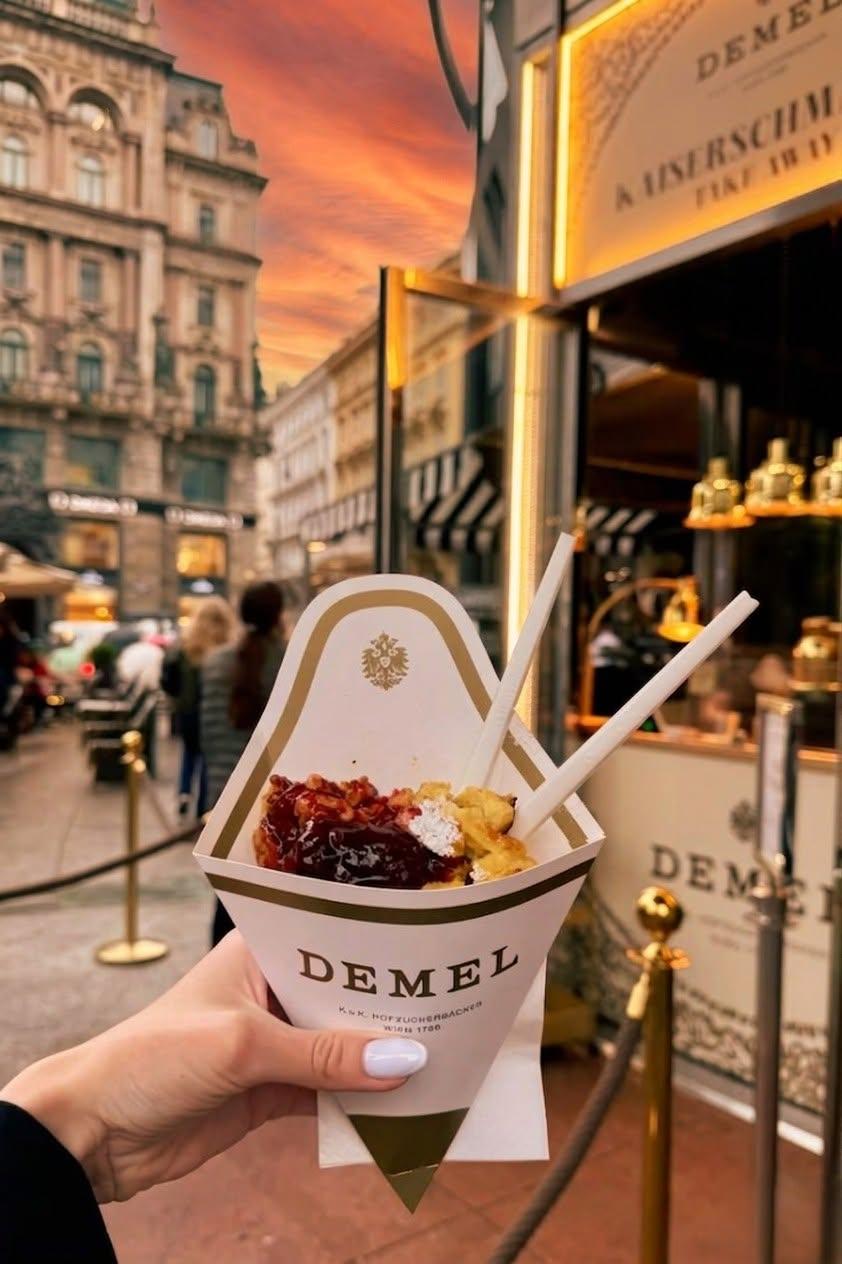
Kaiserschmarrn translates literally to Emperor's Scramble, named after Emperor Franz Joseph who was famously fond of it. A thick, fluffy egg batter is cooked in butter, then torn into rough caramelised pieces at the table and dusted with powdered sugar. It arrives with a tart plum or apricot jam on the side. Demel (Kohlmarkt 14, 1st District) sells a takeaway portion for €12.90 and a sit-down serving with plum ragout at the same price, per demel.com (2026). Traditional Gasthäuser typically charge €10–15, as confirmed by chasingwhereabouts.com (2026). Best for couples wanting a warm, shareable dessert. No pork; classic recipes include raisins — confirm alcohol-free preparation at your chosen venue.
Cremeschnitte at Kurkonditorei Oberlaa
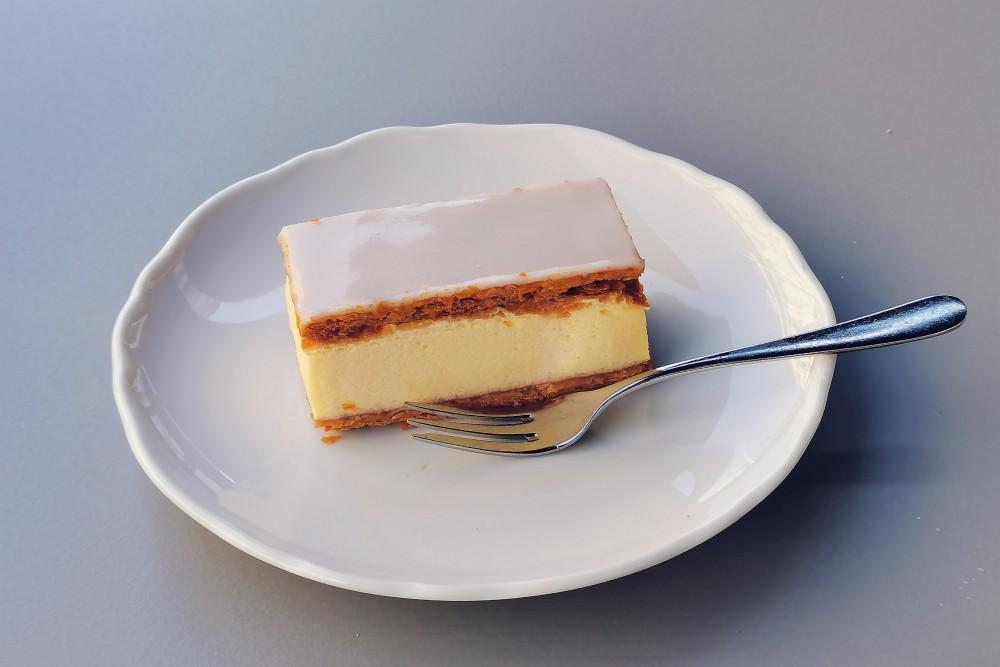
Cremeschnitte, which translates to "cream slice," is a classic Austrian pastry loved for its rich filling and crisp texture. It consists of a generous layer of thick vanilla custard sandwiched between two delicate, flaky sheets of golden puff pastry, usually finished with a light dusting of icing sugar. Its origins are often associated with Vienna's traditional café culture, making it a lovely treat to enjoy alongside a cup of coffee. For a taste of this pastry, visit Kurkonditorei Oberlaa, particularly its Neuer Markt 16 location in Vienna's 1st District. Other cafés worth trying include AIDA and Café Landtmann, both known for their traditional Viennese pastries. Expect to pay approximately €5–9 per slice, depending on the café.
The standard recipe contains no pork or alcohol. However, if you have specific dietary requirements, check the ingredients with the café before ordering.
Linzer Torte at Demel
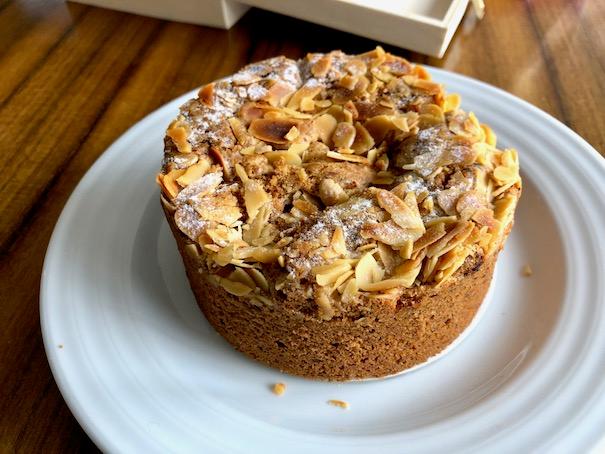
Dating back to 1653, Linzer Torte is widely recognised as the world's oldest documented cake recipe. Although it originated in the Austrian city of Linz, it has become a familiar favourite in Vienna's traditional cafés. This distinctive cake features a buttery, crumbly pastry made with ground almonds or hazelnuts, filled with a generous layer of redcurrant or raspberry jam. Its signature lattice-patterned pastry topping gives it its classic appearance.
For a slice in Vienna, visit Demel (Kohlmarkt 14, 1st District), one of the city's well-known historic pastry shops. Café Landtmann, along the Ringstrasse, is another good option for enjoying this traditional Austrian cake. Prices typically range from €5–9 per slice at traditional Viennese cafés.
Buchteln at Café Hawelka
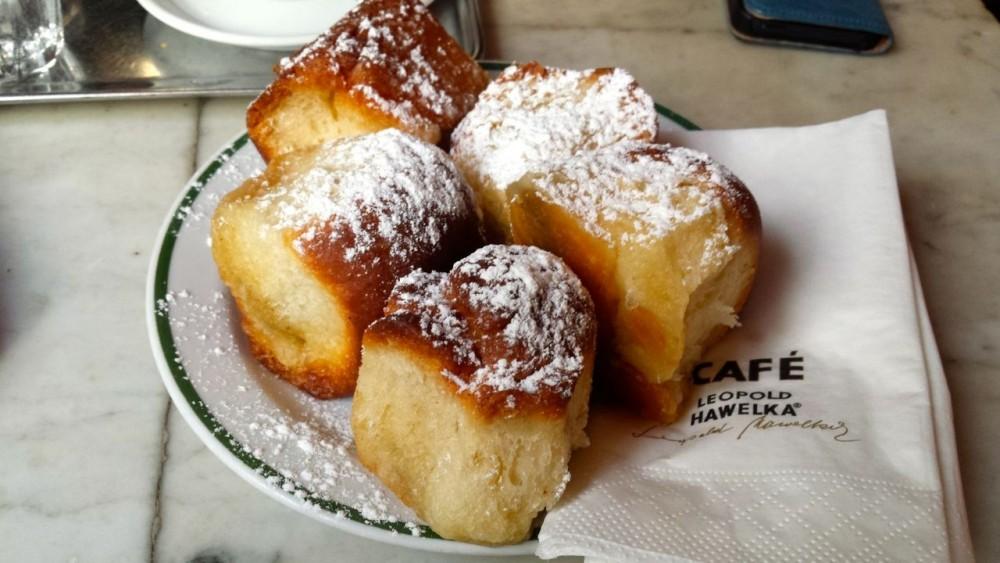
Buchteln are soft, fluffy yeast-raised buns baked together in a single pan, giving them their characteristic golden tops and delicate, pull-apart texture. Traditionally filled with Powidl (a thick, spiced plum jam) or apricot jam, they are served warm, often with a generous helping of vanilla custard. Originally introduced to Vienna through Bohemian cuisine, Buchteln became a favourite of traditional Austro-Hungarian cooking.
For an authentic experience, head to Café Hawelka (Dorotheergasse 6, 1st District), a historic Viennese café that opened in 1939. Its late-evening Buchteln tradition has become a local favourite and makes it a particularly memorable stop for visitors. A portion costs approximately €4, making it one of the most affordable desserts on this list.
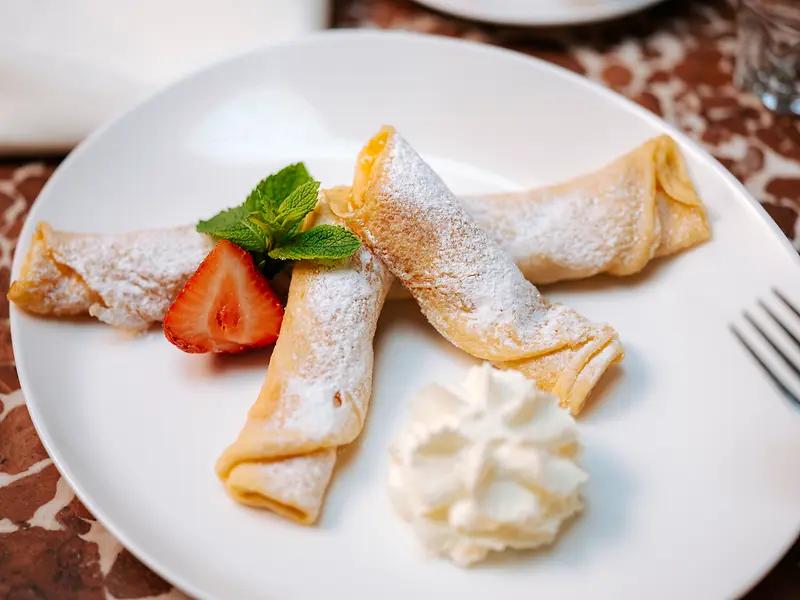
Palatschinken at Café Central
Palatschinken are Austria's take on thin French crêpes, made from a simple batter of eggs, flour, milk, and butter. They are cooked until lightly golden, then rolled or folded around a variety of sweet fillings. The most traditional Viennese version features apricot jam, while other popular options include ground nuts and sweet quark cheese. Unlike thick pancakes, Palatschinken have a delicate texture and are usually served dusted with icing sugar.
For a memorable place to try them, visit Café Central (Herrengasse 14, 1st District), where you can enjoy this classic dessert inside one of Vienna's most beautiful historic coffeehouses. Opened in 1868, the café is known for its impressive neo-Gothic architecture and grand interior. It can get particularly busy, with waiting times of 30–45 minutes during peak hours, so consider visiting before 9 AM or after 3 PM. Expect to pay approximately €5–9, depending on the filling and café.