10 Viral Japanese Foods to Try on Your First Japan Trip
Discover 10 viral Japanese foods to try on your first Japan trip, from fluffy soufflé pancakes and matcha desserts to wagyu sushi, fruit sandwiches, and classic Japanese sweets.
Quick answer
Japanese Soufflé Pancakes are a top pick for a viral food experience in Japan, especially for their light, fluffy texture and jiggly appearance. Wagyu Sushi is another popular choice for travelers looking for something savory and filling. For Egyptian travelers following a halal diet, check the ingredients and preparation methods at each restaurant before ordering, as some Japanese dishes may contain pork or alcohol.
10 Viral Foods to Try in Japan, Ranked by Must-Try Appeal
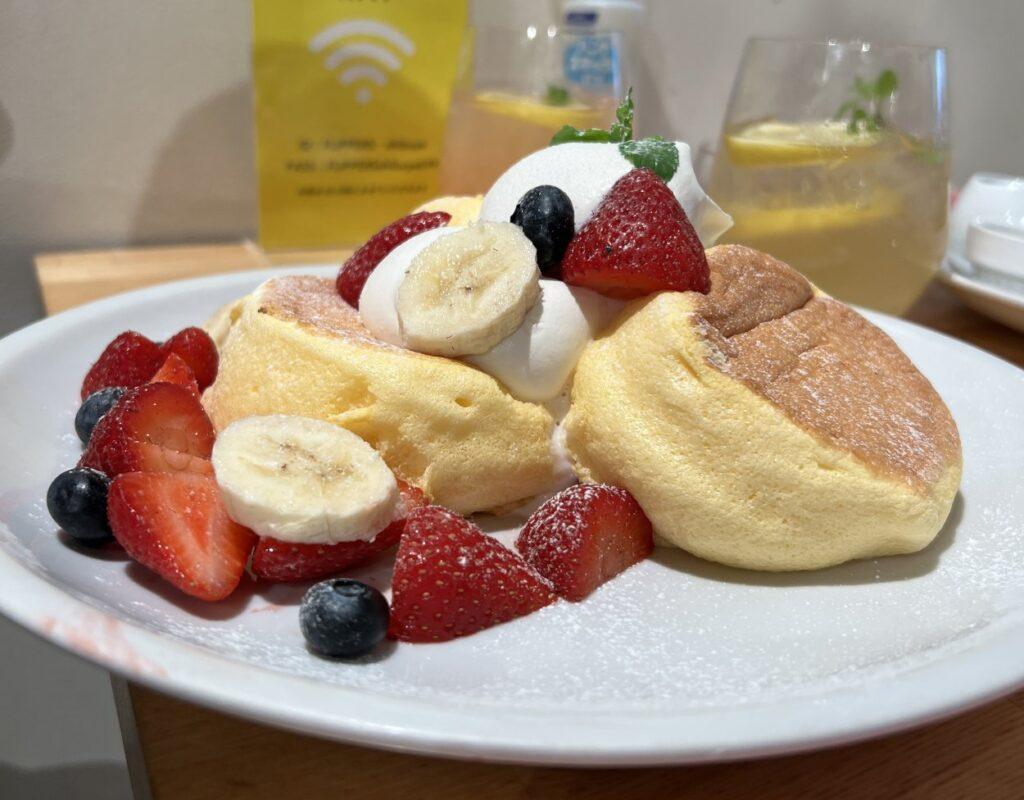
Flipper's Shibuya — Japanese Soufflé Pancakes
Three cloud-thick pancakes that wobble on the plate. Flipper's folds whipped egg whites into a custom Hokkaido-wheat batter, then cooks each stack without a ring mould so the centre stays impossibly soft. The plain Miracle Pancake costs ¥1,540 (roughly $10 USD; check today's EGP rate at cbe.org.eg), and the strawberry version runs ¥1,815. Book a slot via TableCheck up to 14 days ahead to skip the walk-in queue, which regularly stretches 30-plus minutes. The Shibuya branch sits inside Jinnan Plaza, about a 5-minute walk from Shibuya Crossing. Halal status is unconfirmed, so check directly with the venue. TikTok and Instagram made the jiggly jiggle a global obsession by 2022, and the line has not shortened since.
Japanese Fruit Sando
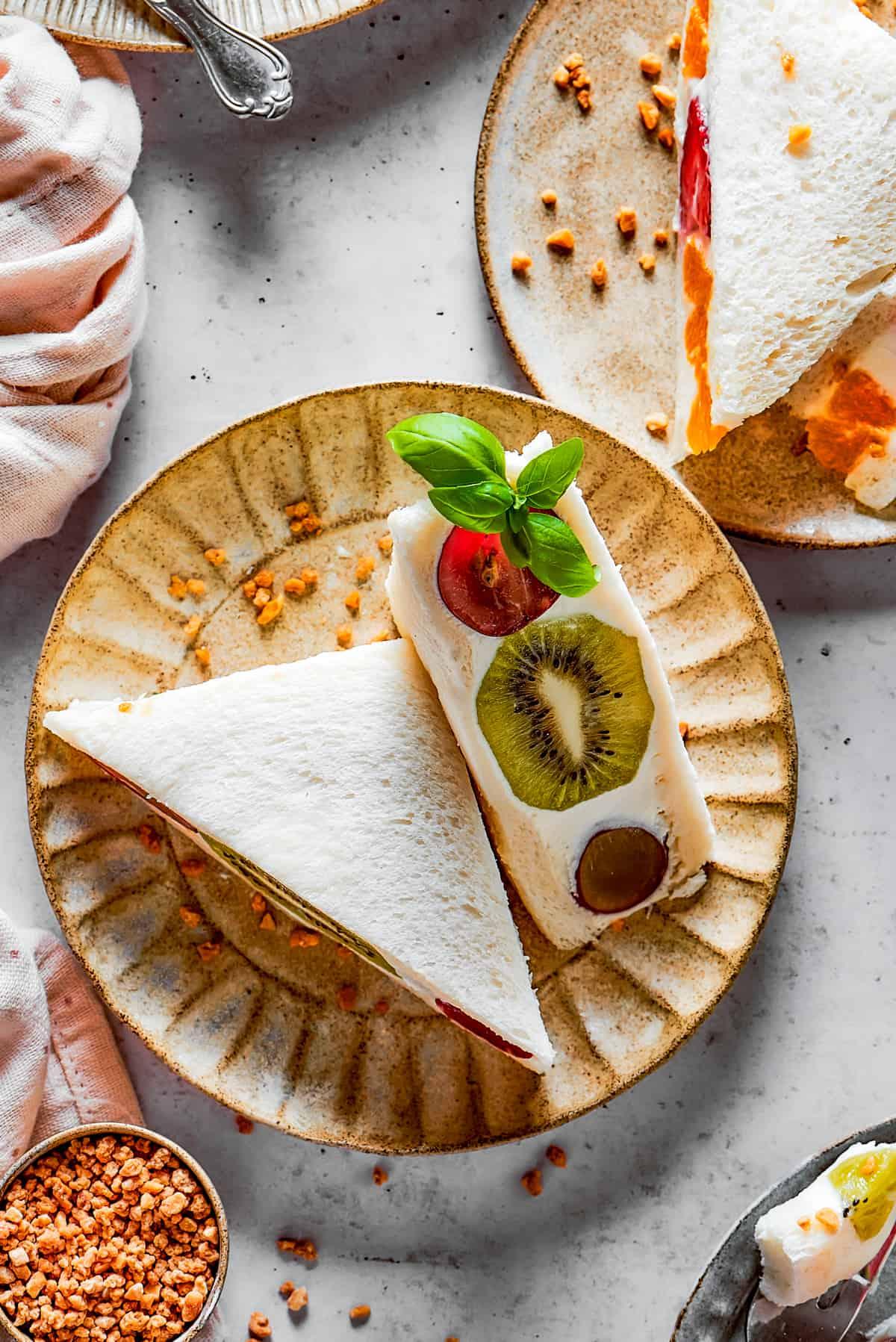
Japanese Fruit Sando is one of Japan’s most photogenic convenience-store and café treats: soft shokupan milk bread filled with fresh fruit and lightly sweetened whipped cream. Popular combinations include strawberries, mango, kiwi, and mixed seasonal fruit, creating a colorful cross-section when sliced. You’ll find them at cafés, department-store food halls, and convenience stores across Tokyo, Kyoto, and Osaka.
Best for Egyptian travelers: it’s an easy option, but check the ingredients if you have dietary restrictions. Prices usually range from around ¥300–¥800 depending on the fruit and where you buy it.
Tip: Look for seasonal versions with Japanese strawberries or mango for the best presentation and flavor.¥300–¥800View on map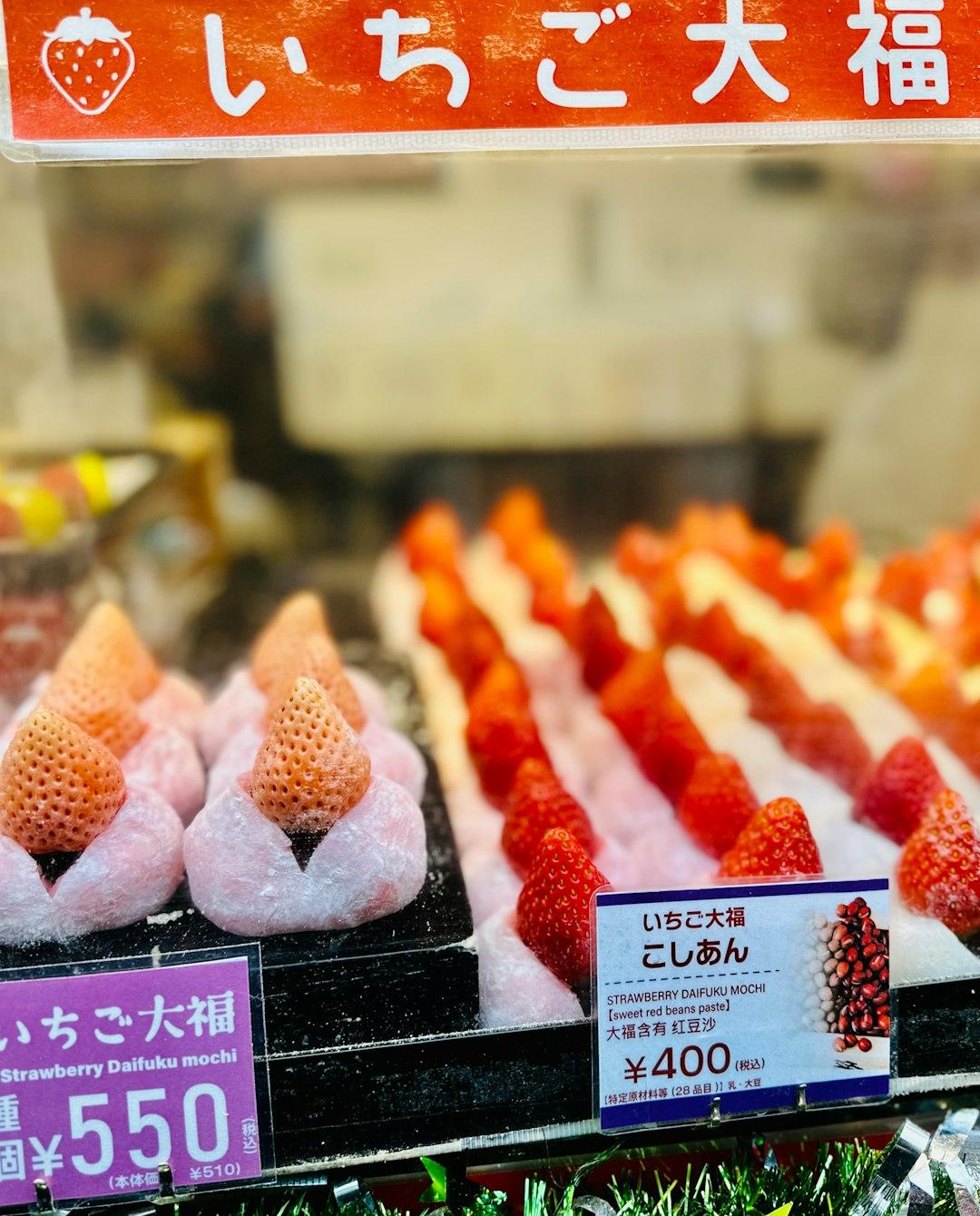
Asakusa Strawberry Daifuku — Strawberry Daifuku
A whole fresh strawberry tucked inside smooth anko red-bean paste, then wrapped in cloud-soft mochi rice cake. The shop at 1-31-1 Asakusa, Taito City sits on Nakamise-dori, roughly 8 minutes on foot from Senso-ji Temple. Prices at daifuku stalls in Asakusa and Dotonbori (Osaka) typically run ¥400–¥700 per piece (per Traveloka's Japan guide and trip.com reports). Daifuku is naturally egg-free and meat-free, making it one of the easiest treats for travelers with dietary restrictions. Buy it cold and eat it within 30 minutes — the mochi tightens as it warms. Strawberry season peaks December through May, when the berries inside are noticeably sweeter.
7-Eleven Japan — Tamago Sando (Japanese Egg Sandwich)
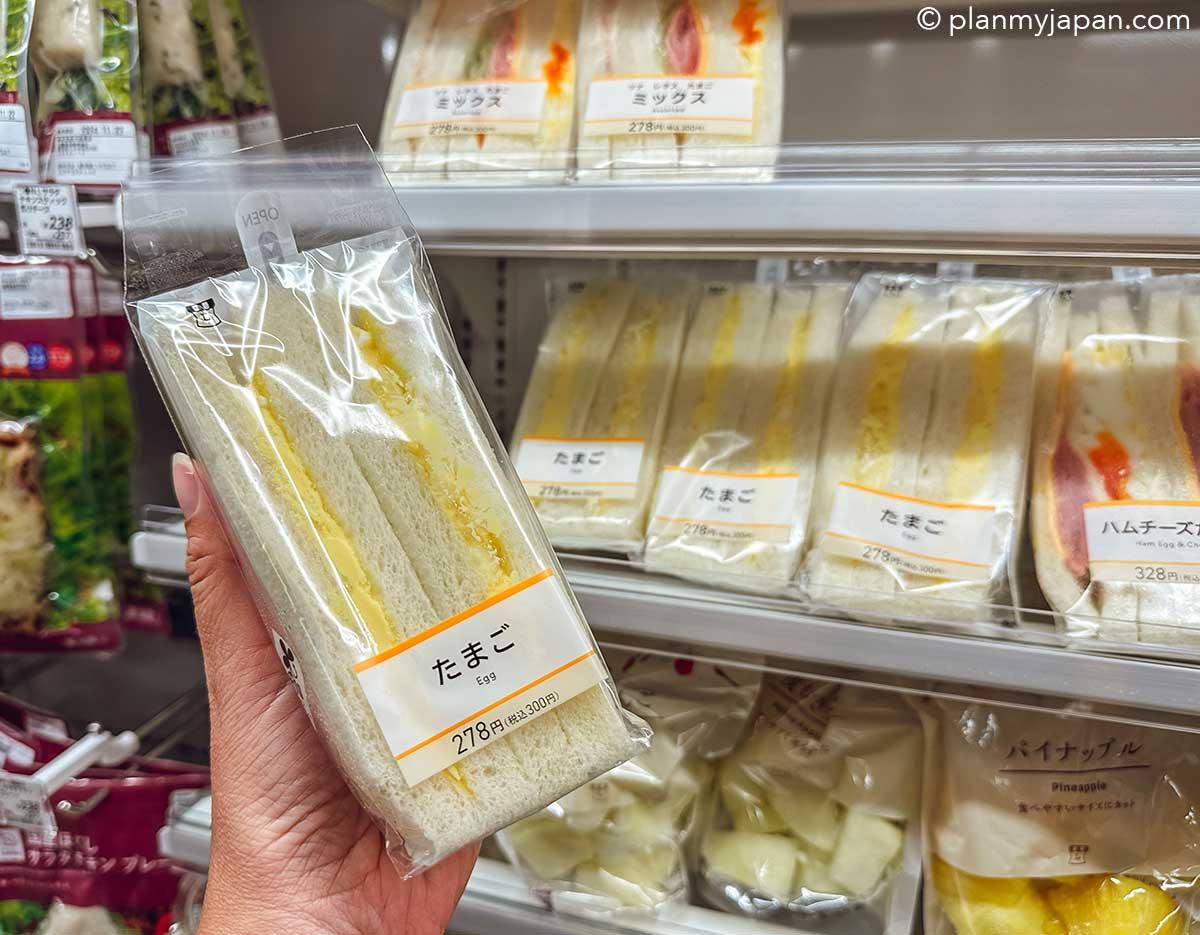
A thick slab of creamy, just-sweet egg salad sandwiched in pillowy shokupan white bread. 7-Eleven Japan's tamago sando went viral on TikTok in 2020 and has never left the algorithm. It costs ¥280–¥350 (roughly $1.80–$2.25 USD), making it the best-value bite on this entire list, per 2026 data from japan.asoventure.jp. Grab one from any of the 21,000-plus 7-Eleven locations across Japan — you will find a branch within 5 minutes of almost every major station. The filling contains egg and mayonnaise. No pork, no meat, making it a practical option for travelers watching their diet. Eat it the same day; freshness drops fast.
Nakamura Tokichi Uji — Matcha Desserts
Japanese Fruit Sando is one of Japan’s most photogenic convenience-store and café treats: soft shokupan milk bread filled with fresh fruit and lightly sweetened whipped cream. Popular combinations include strawberries, mango, kiwi, and mixed seasonal fruit, creating a colorful cross-section when sliced. You’ll find them at cafés, department-store food halls, and convenience stores across Tokyo, Kyoto, and Osaka. Best for Egyptian travelers: it’s an easy pork-free option, but check the ingredients if you have dietary restrictions. Prices usually range from around ¥300–¥800 depending on the fruit and where you buy it.
Tip: Look for seasonal versions with Japanese strawberries or mango for the best presentation and flavor.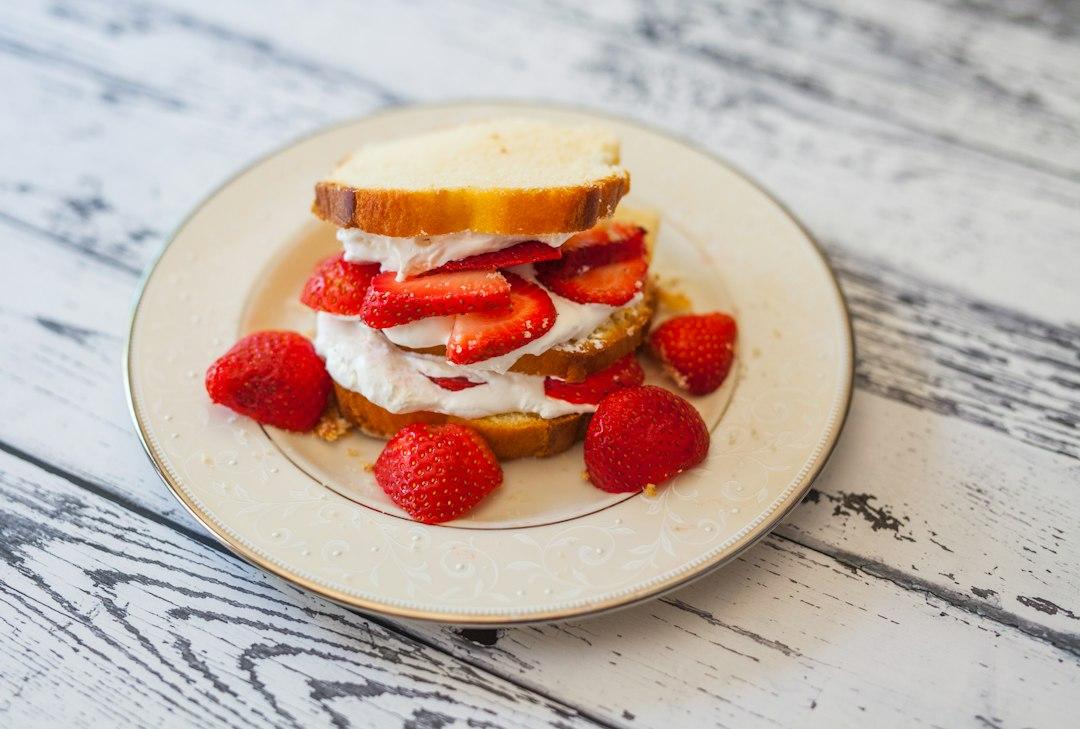
Strawberry Mania Dotonbori — Japanese Fruit Sando
A fruit sando is fresh seasonal fruit, whole strawberries, kiwi, mango, layered inside shokupan bread with thick whipped cream, then sliced to reveal a cross-section that looks engineered for social media. Strawberry Mania on Dotonbori shopping street in Osaka's Shinsaibashi district is about a 5-minute walk from Namba Station. Stalls in Osaka price a strawberry daifuku at ¥500 and fruit sandos in a similar range of ¥500–¥900 (roughly $3–$6 USD; verify prices at booking time). The filling is vegetarian and contains no meat. Buy it, photograph the cross-section, eat it standing on the street, that is the correct sequence.
¥500–¥900 (~$3–$6 USD)View on map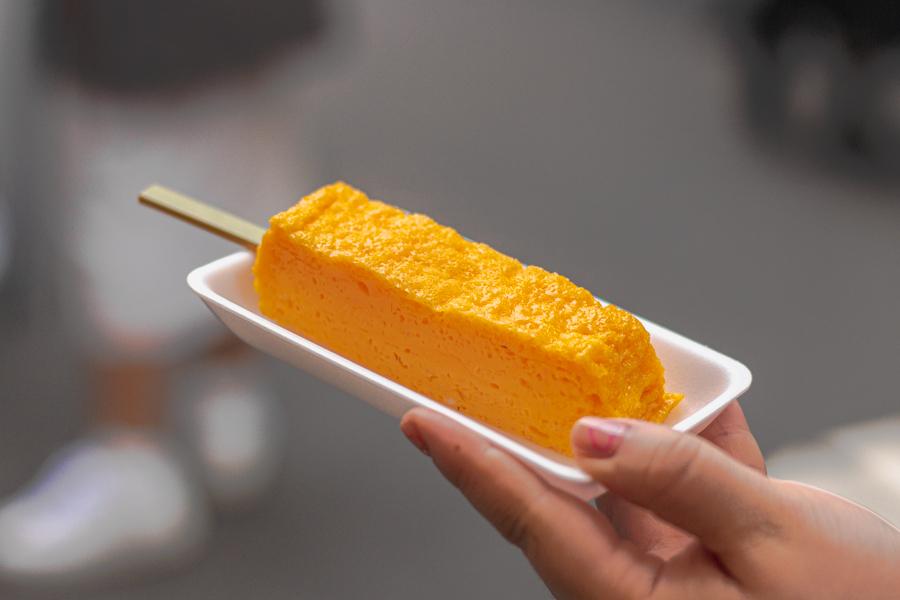
Tsukiji Outer Market, Tamagoyaki
Tamagoyaki is Japan's rolled omelette: layers of lightly sweetened egg folded into a rectangular block, still warm from the pan. Tsukiji Outer Market in central Tokyo is the classic place to eat it on a skewer as a street snack.
Skewers typically cost ¥200–¥400 (about $1.30–$2.60 USD), per street-food cost data for Japan in 2026. The market is roughly 10 minutes by taxi from Ginza. Multiple vendors line the market's walking alleys, try more than one to taste the sweet-to-savory spectrum. Tamagoyaki contains egg and no meat, though some vendors add dashi (fish stock); ask if you avoid fish. Go before 11 a.m. when vendors are freshest and queues shortest.¥200–¥400 per skewer (~$1.30–$2.60 USD)View on map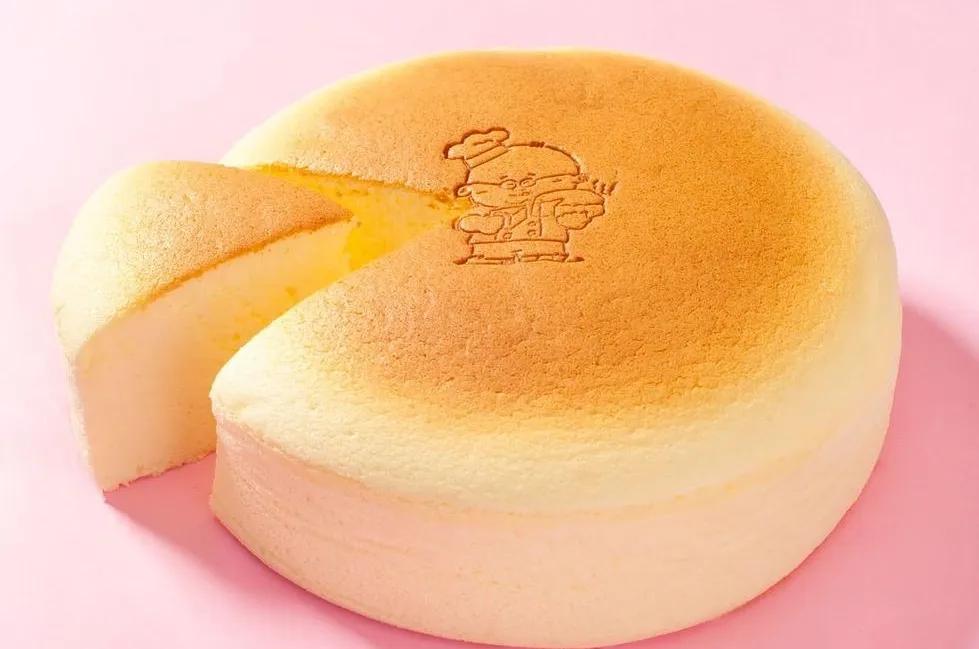
Uncle Tetsu — Japanese Soufflé Cheesecake
A soufflé cheesecake jiggles like a custard but tastes like a light, milky cloud. Uncle Tetsu, founded in Fukuoka in 1990, turned the jiggly cheesecake into a global TikTok trend with its see-through packaging that shows every wobble.
Whole cakes typically run ¥850–¥1,200 (about $5.50–$7.50 USD); verify at booking time. The brand operates locations across Tokyo, including in Harajuku. Each cake is baked to order and best eaten within 30 minutes warm or refrigerated within 1 hour. No pork ingredients; confirm halal certification with the specific branch before visiting. The soft, barely-sweet flavour is a completely different experience from dense Western cheesecake.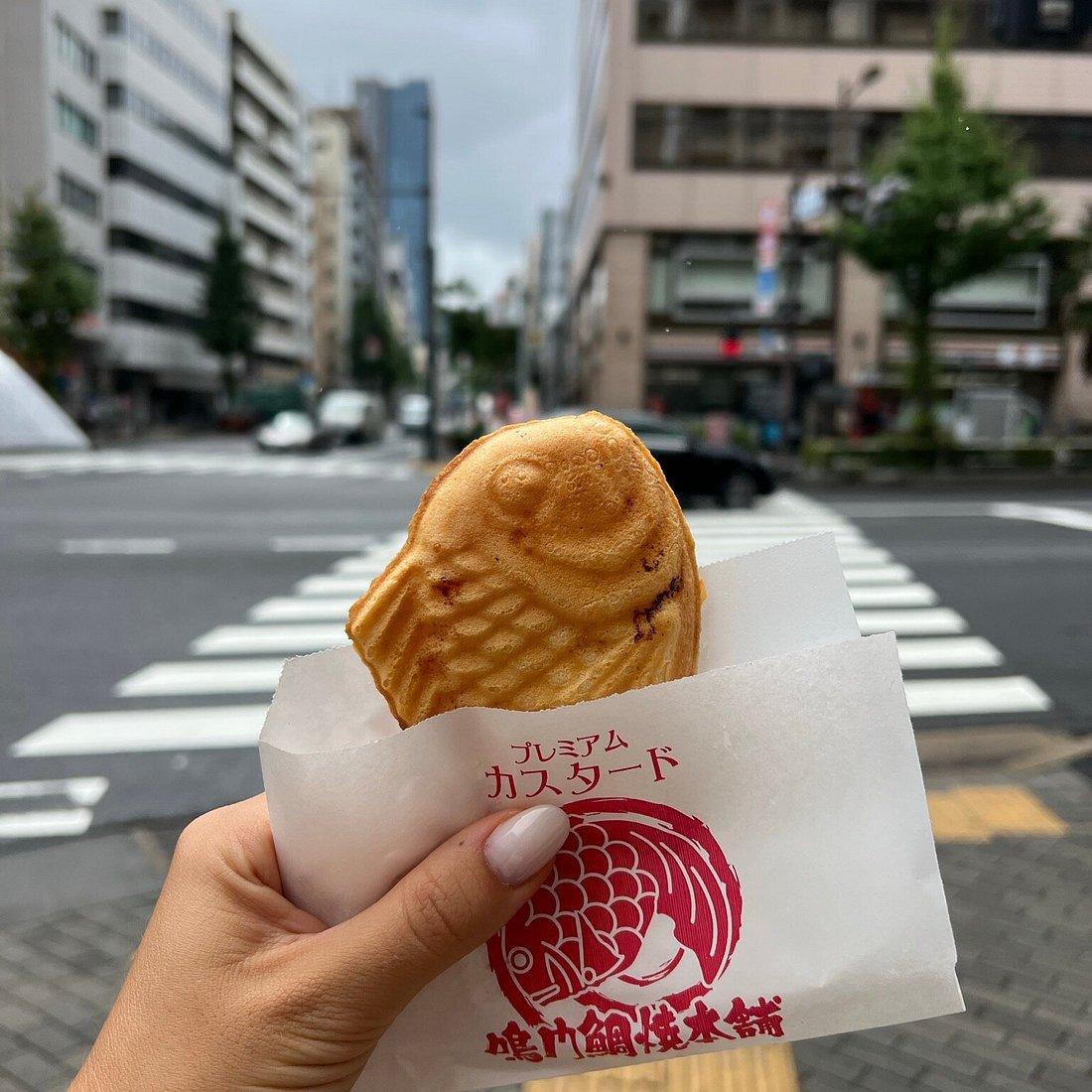
Asakusa Nakamise-dori — Taiyaki
Taiyaki is a fish-shaped waffle cake filled with red bean paste, custard, or sweet potato. The shape comes from the word for sea bream (tai), long considered a lucky fish in Japan. Prices run ¥225–¥375 per piece (about $1.50–$2.50 USD), per japantripcost.com's 2026 street-food data. Asakusa's Nakamise-dori shopping street, leading to Senso-ji Temple, has multiple vendors selling them fresh off iron moulds. The crunchy outside, soft filling, and photogenic fish shape made taiyaki a reliable Instagram subject long before TikTok existed. Standard red-bean filling is vegan. Custard versions contain egg and dairy. Eat it hot — the skin softens within 10 minutes.
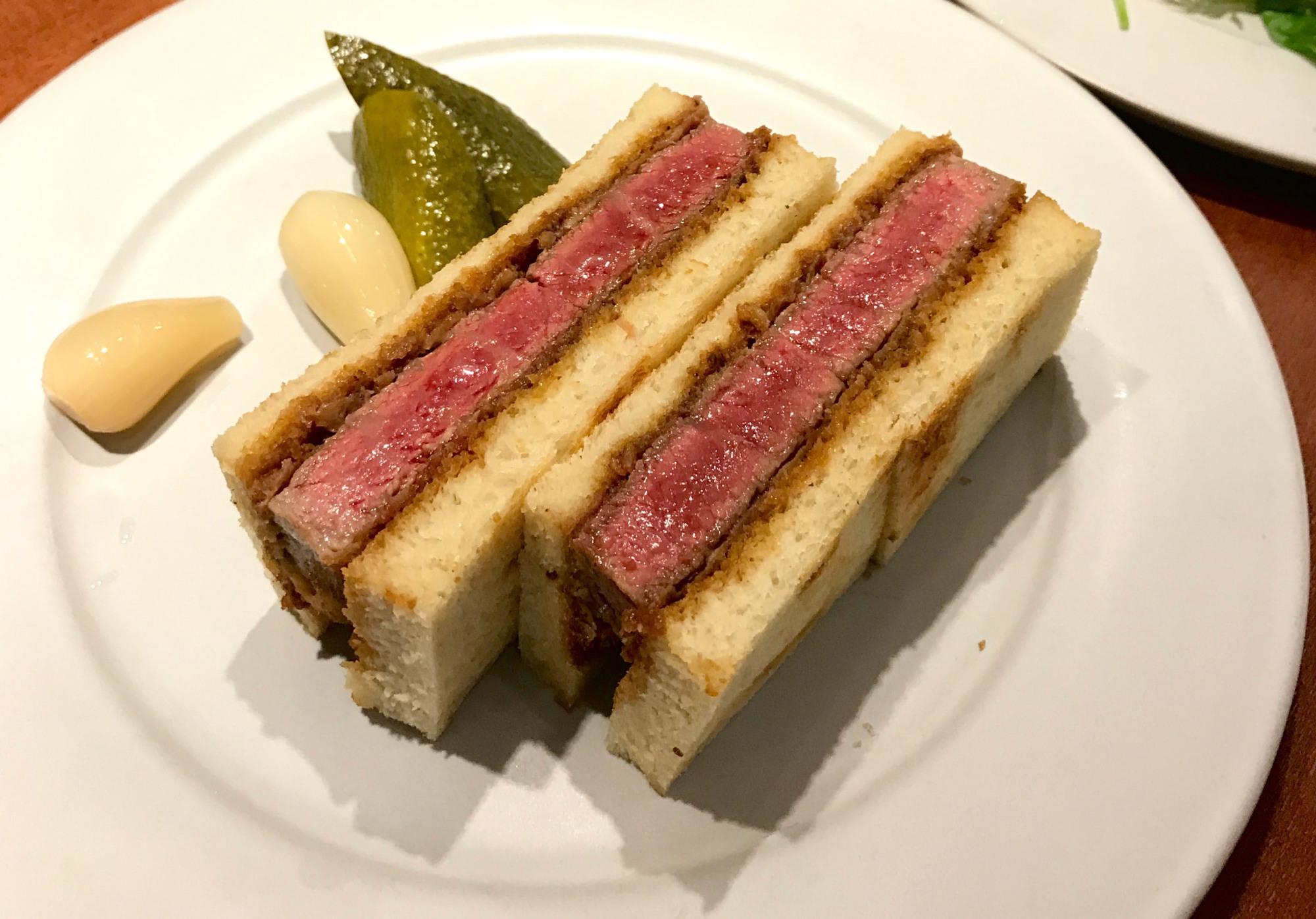
Wagyumafia The Cutlet Sandwich — Wagyu Sushi and Wagyu Katsu Sando
Wagyumafia in Nakameguro, Tokyo, is the brand that took wagyu beef to Instagram luxury status. The Cutlet Sandwich branch specialises in the wagyu katsu sando format. This is a splurge item, not a daily meal. Wagyu sushi at mid-range Tokyo counters runs ¥6,000–¥12,000 for a full set. The marbled fat of A4–A5 grade wagyu melts at body temperature, producing a richness that no other beef delivers. Note that wagyu beef contains no pork. Reservations via Pocket Concierge are strongly recommended, especially for weekend visits.
Book Your Japan Stay with Journeys by Breadfast
Planning a trip to Japan? Find and book hotels in Tokyo, Osaka, Kyoto, and beyond with Journeys by Breadfast. Explore your options and find the right stay for your trip.
Book with Journeys