
10 Unique Fruits to Try in Bali
From spiky salak to creamy soursop, discover 10 unique Bali fruits ranked by taste, availability, and ease of finding for Egyptian travelers.
Quick answer
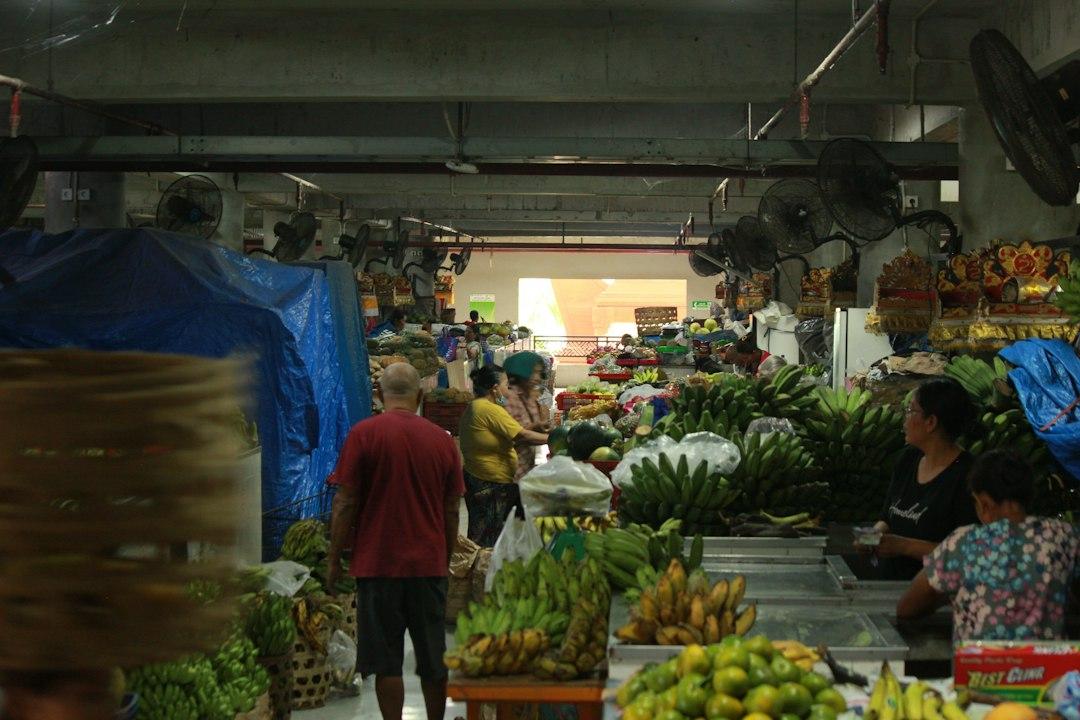
Bali is home to tropical fruits that many Egyptian travelers may not have tried before. Salak offers a crisp, sweet-tart bite, mangosteen is juicy and refreshing, and durian delivers the boldest experience. From traditional markets to local fruit stalls, couples can easily turn fruit tasting into a fun part of their Bali trip.
10 Unique Fruits to Try in Bali, Ranked by Must-Try Appeal
Durian
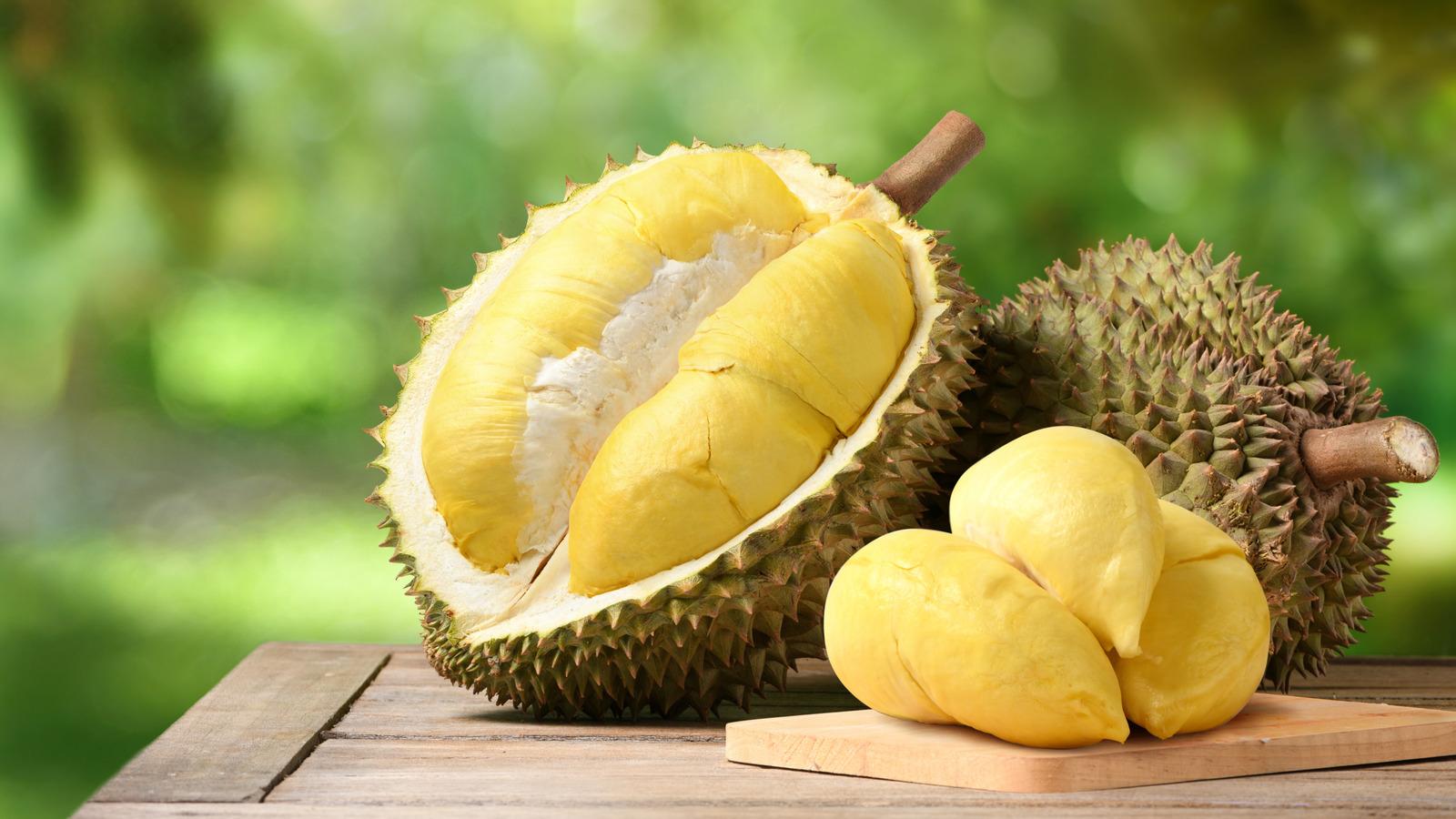
ali’s most infamous fruit tends to divide visitors into two camps: addicted or horrified. Its strong, pungent smell is so noticeable that some hotels prohibit durian indoors. But beneath the spiky shell is a rich, custardy flesh with a sweet, creamy flavor and savory notes.
At Pasar Badung, Denpasar’s largest traditional market, durian is commonly sold by weight. Prices and availability vary by season, so check the current market price when you visit. For couples, it’s a fun fruit to try together if you’re ready for an unforgettable first taste.
Salak (Salacca zalacca)
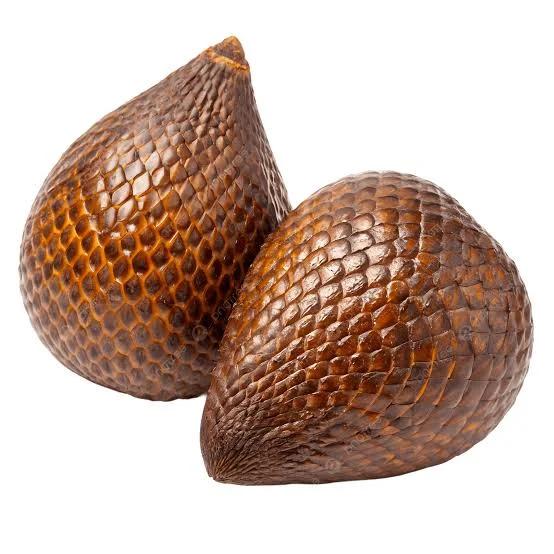
Salak gets its nickname, “snake fruit,” from its scaly brown skin, which peels away easily to reveal three ivory-colored segments. The texture is crunchy like an apple, with a sweet-tart flavor and a slightly dry finish.
Bali’s salak is especially associated with Sibetan Village in Karangasem, where visitors can explore local plantations and see how the fruit is grown. It’s a hands-on experience for couples who want to try something different from the usual Bali food.
Mangosteen at Ubud Traditional Art Market
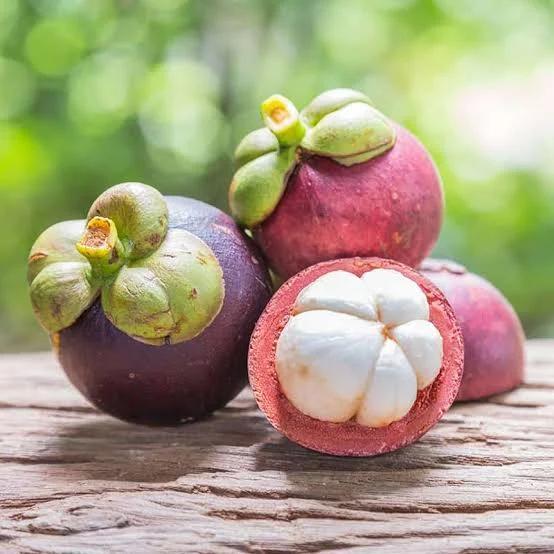
Known as the “queen of tropical fruits,” mangosteen has a thick purple shell hiding soft, snow-white segments inside. The flesh is juicy, sweet and slightly tangy, with a clean, floral flavor that feels very different from the fruit commonly found in Egypt.
You can find mangosteen at traditional markets around Bali, including Ubud, especially during its peak season from around October to February.
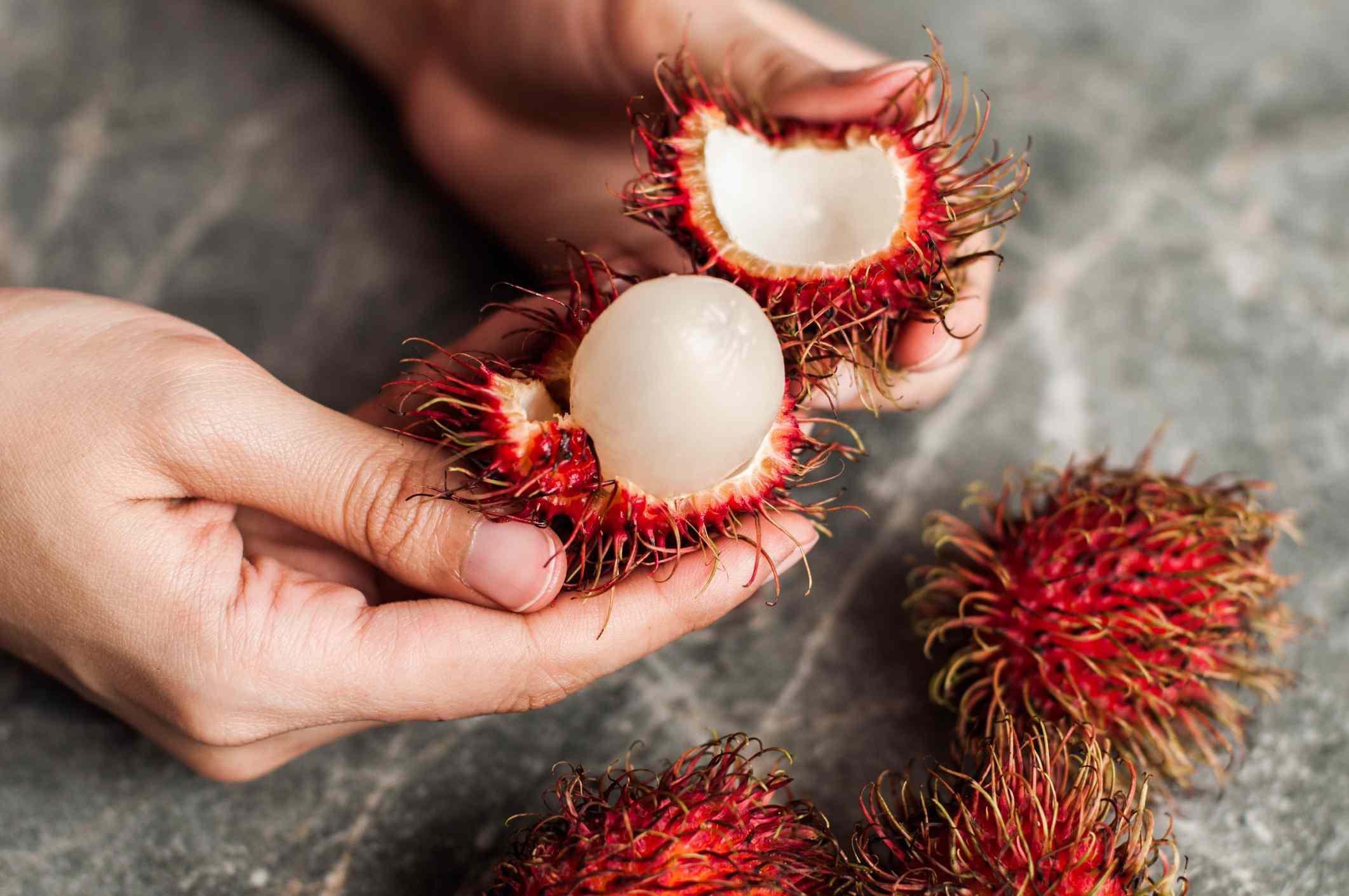
Rambutan (Nephelium lappaceum)
Rambutan looks like a tiny sea creature, with red or yellow skin covered in soft, hair-like spines. Peel it open to reveal a translucent, juicy fruit with a sweet, mildly acidic flavor. Its texture is similar to lychee but slightly chewier.
You’ll find rambutan at markets and fruit stalls around Bali, particularly when it’s in season.
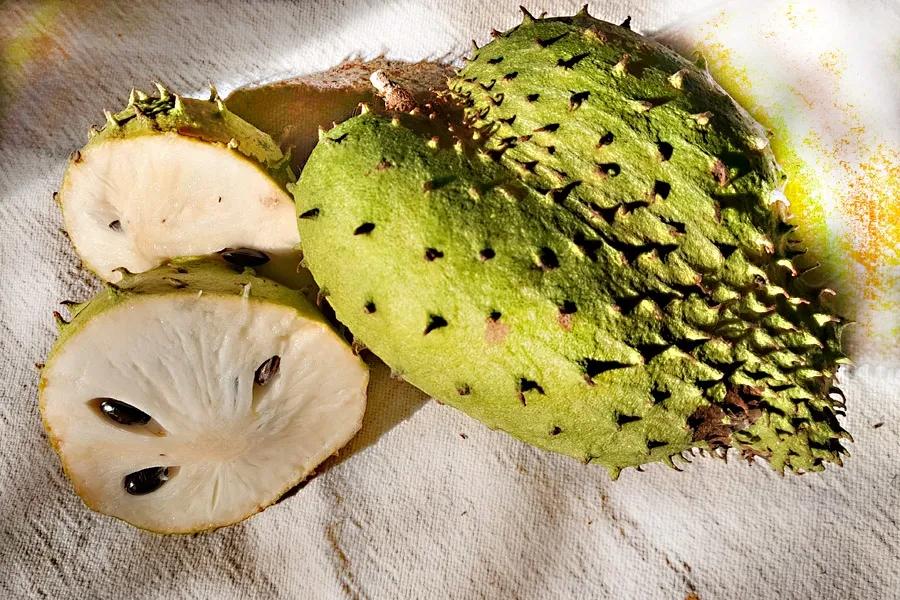
Soursop
Soursop, locally called sirsak, has soft, fibrous flesh with a creamy, tangy flavor often compared to a mix of strawberry and pineapple. In Bali, it’s commonly blended into fresh juice rather than eaten straight from the fruit.
You can find soursop juice at local warungs and juice stalls around Bali. For Egyptian travelers, the flavor may feel familiar yet more tropical and tangy than traditional guava juice. It’s a refreshing choice to share after a day of exploring.
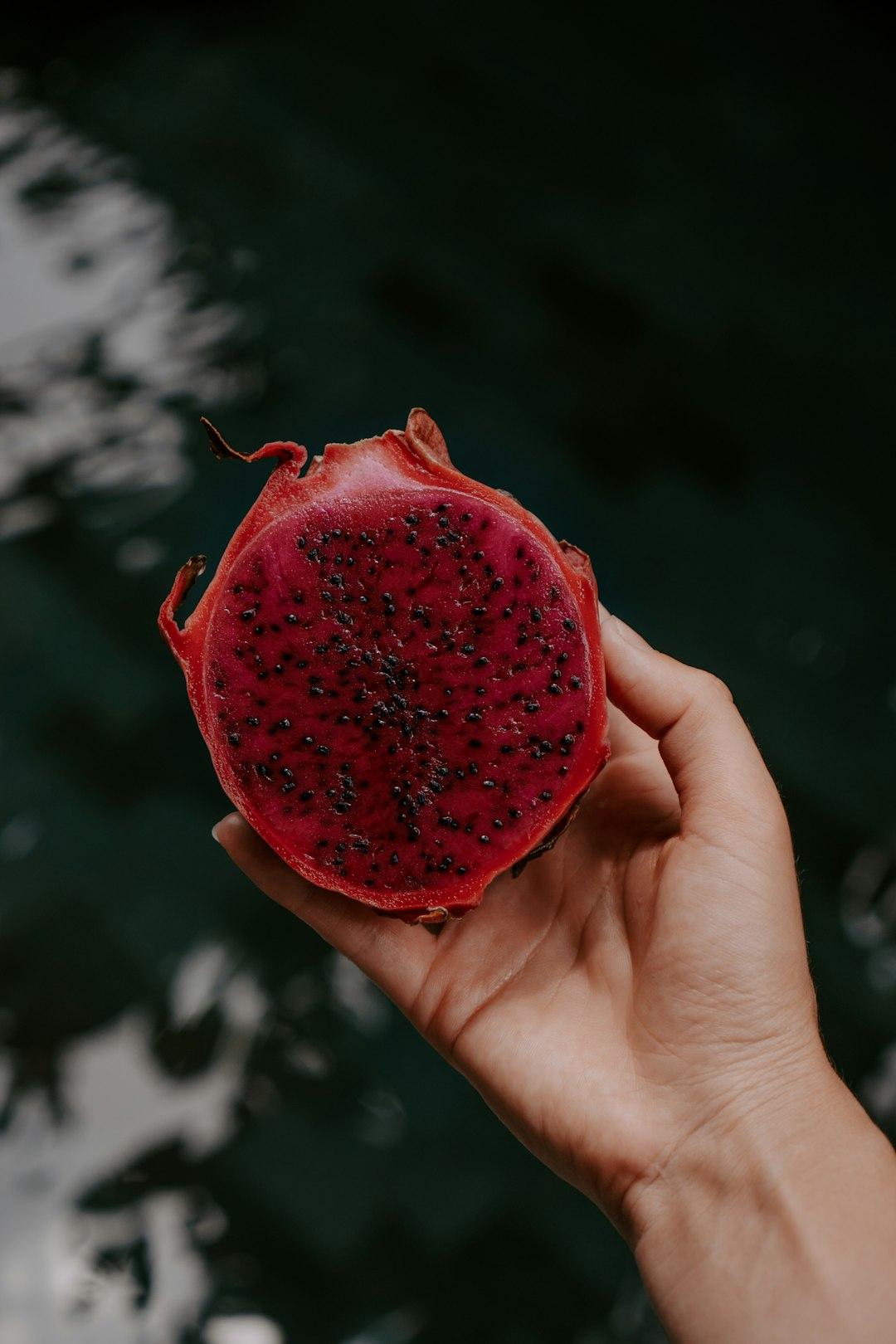
Dragon Fruit (Hylocereus undatus) at Tegallalang Fruit Stalls, Ubud
Dragon fruit looks like something from a sci-fi set, vivid pink skin with green flame-like scales. Slice it open and you get a white or magenta interior dotted with tiny black seeds. The flavour is mild, watery, and slightly sweet, more refreshing than intense. Bali grows both white-flesh and red-flesh varieties; the red type tastes noticeably sweeter and stains everything around it. Fruit stalls along the Tegallalang Rice Terrace road sell whole dragon fruit from IDR 15,000 each (approximately EGP 36 / USD 0.90).
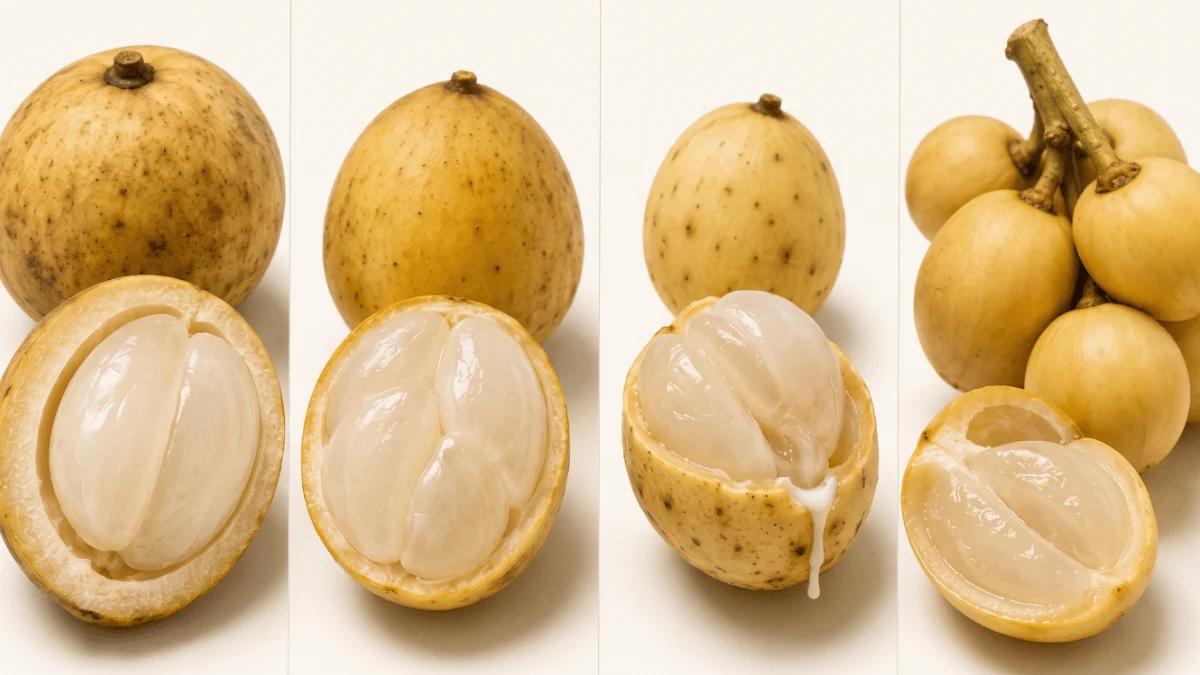
Duku / Langsat
Duku and langsat look almost identical: small, pale-skinned balls sold in grape-like clusters. Duku is the sweeter, thicker-skinned Balinese favourite; langsat runs more sour with thinner skin. Both contain 5 translucent segments per fruit, juicy and refreshing with a mild bitterness from the seeds. Gianyar Night Market, 25 km east of Ubud, stocks both varieties every evening. A large bunch costs roughly IDR 12,000 (approximately EGP 29 / USD 0.72). One of the least-known Bali exotic fruits among tourists, which makes finding them feel like a win.
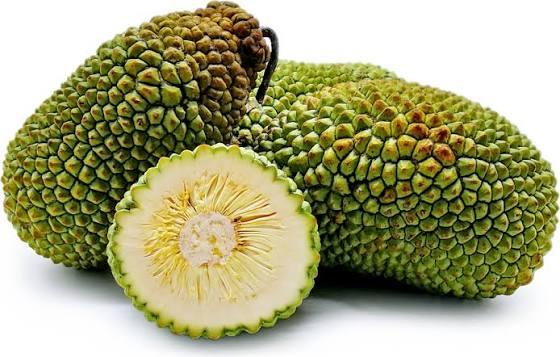
Cempedak
Cempedak is a close relative of jackfruit, but its smaller size and intensely sweet aroma make it a fruit worth seeking out. Its orange flesh is soft, fragrant and almost caramel-like when ripe.
In Bali, vendors also deep-fry cempedak in a light batter, creating a sweet, crispy snack with flavors reminiscent of banana fritters and caramelized fruit. It can be harder to find than jackfruit, making it a fun discovery for couples exploring local markets.
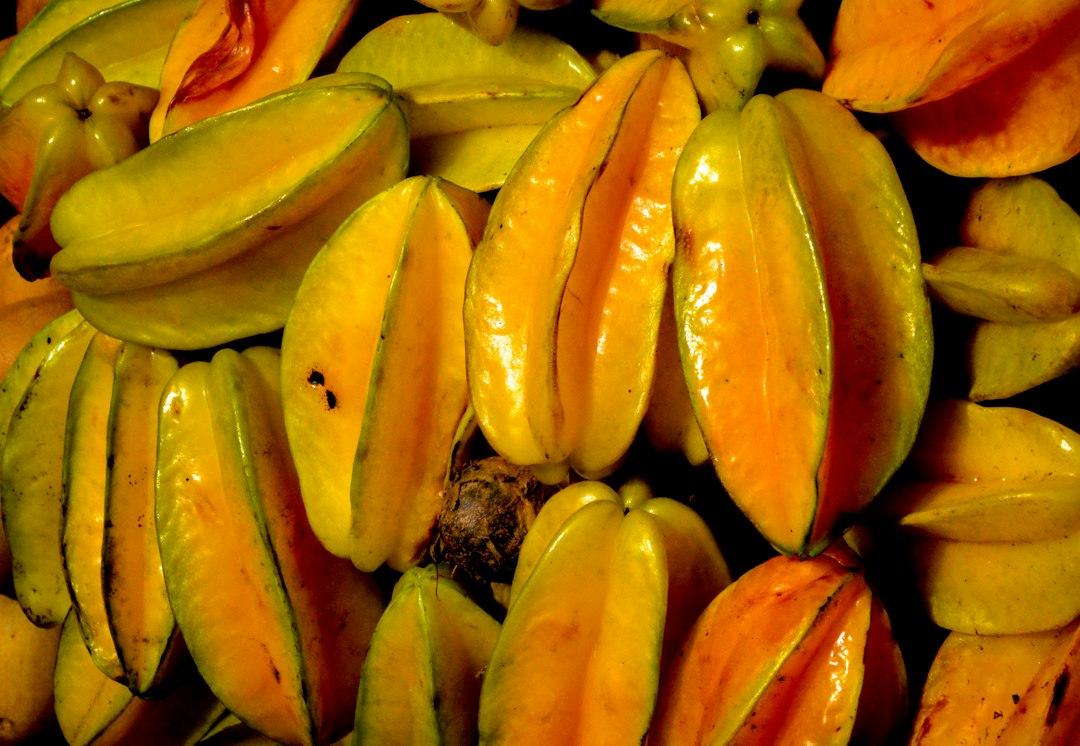
Starfruit
Slice a starfruit crosswise and every piece is a perfect 5-pointed star. It is one of Bali's most visually satisfying fruits, bright yellow-green with waxy skin. The flavour ranges from very tart to mildly sweet depending on ripeness; ripe ones taste like a cross between green apple and citrus. Street carts along Kuta Beach sell starfruit sliced and salted for around IDR 10,000 per bag (approximately EGP 24 / USD 0.60). Salty-sour and incredibly refreshing after 2 hours in the Bali sun.
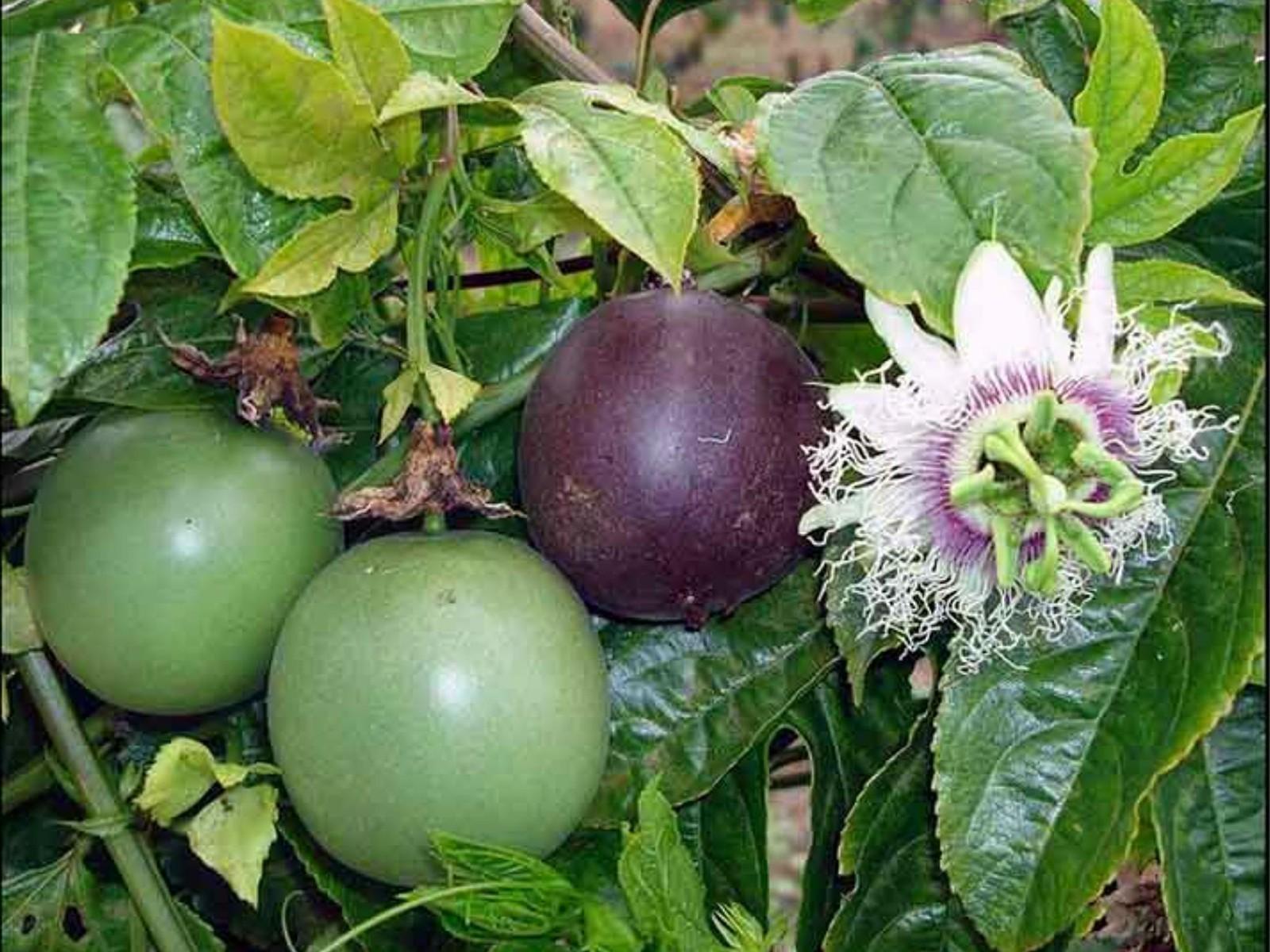
Passion Fruit (Passiflora edulis) at Sari Organik Farm, Ubud
Passion fruit is known in Egypt mainly as a juice flavouring, but fresh Balinese passion fruit is a different experience entirely. The wrinkled purple or yellow shell hides a cavity packed with seedy, gelatinous pulp that is intensely floral and tart. Sari Organik Farm in Ubud, 3 km north of the Ubud Palace, grows passion fruit on-site and serves it in fresh juices and on acai bowls priced from IDR 45,000 (approximately EGP 108 / USD 2.70). Eat 1 whole fruit straight from the shell for the full effect.