10 Best Places to Visit in Morocco in 2026
Discover 10 places to visit in Morocco, from Marrakech’s lively medina to Chefchaouen’s blue streets and the Sahara Desert, with practical tips for planning your trip.
Quick answer
The best places to visit in Morocco include Marrakech for its souks, palaces, and food, Fes for its historic medina, Chefchaouen for its blue-painted streets, and Merzouga for Sahara Desert adventures. You can also explore Casablanca’s Hassan II Mosque, Tangier’s coastal sights, Essaouira’s beaches, Rabat’s historic landmarks, the Atlas Mountains, and Ait Benhaddou. For a first trip, allow 7–10 days to combine several destinations without rushing.
10 Best Places to Visit in Morocco in 2026, Ranked by Broad Appeal
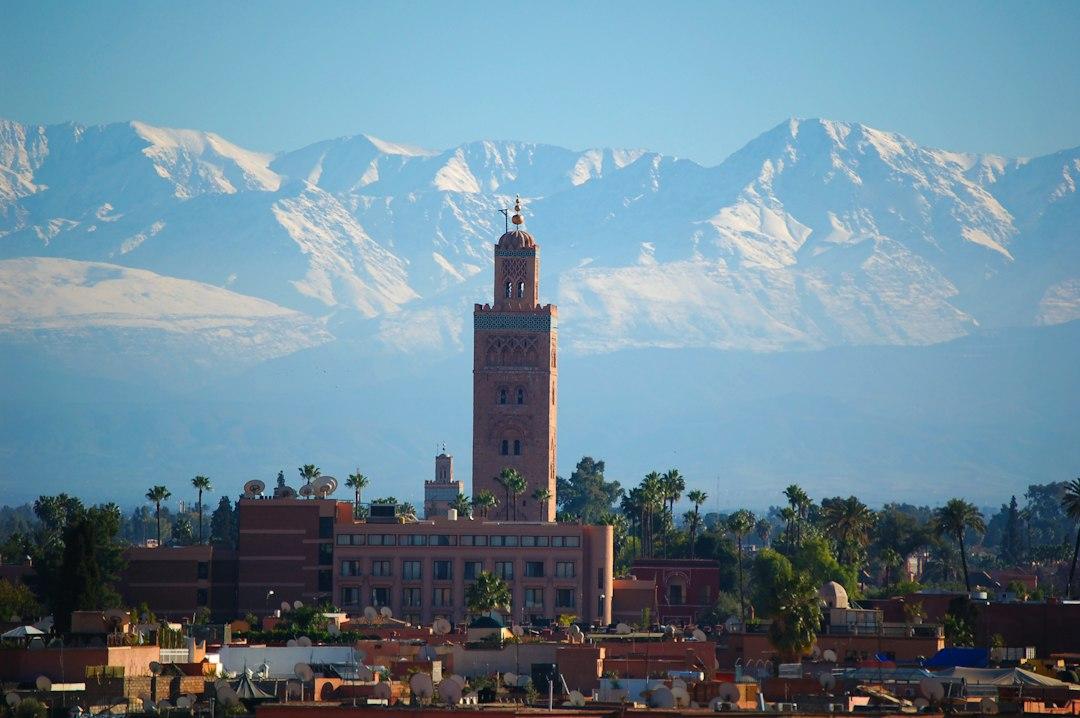
Marrakech
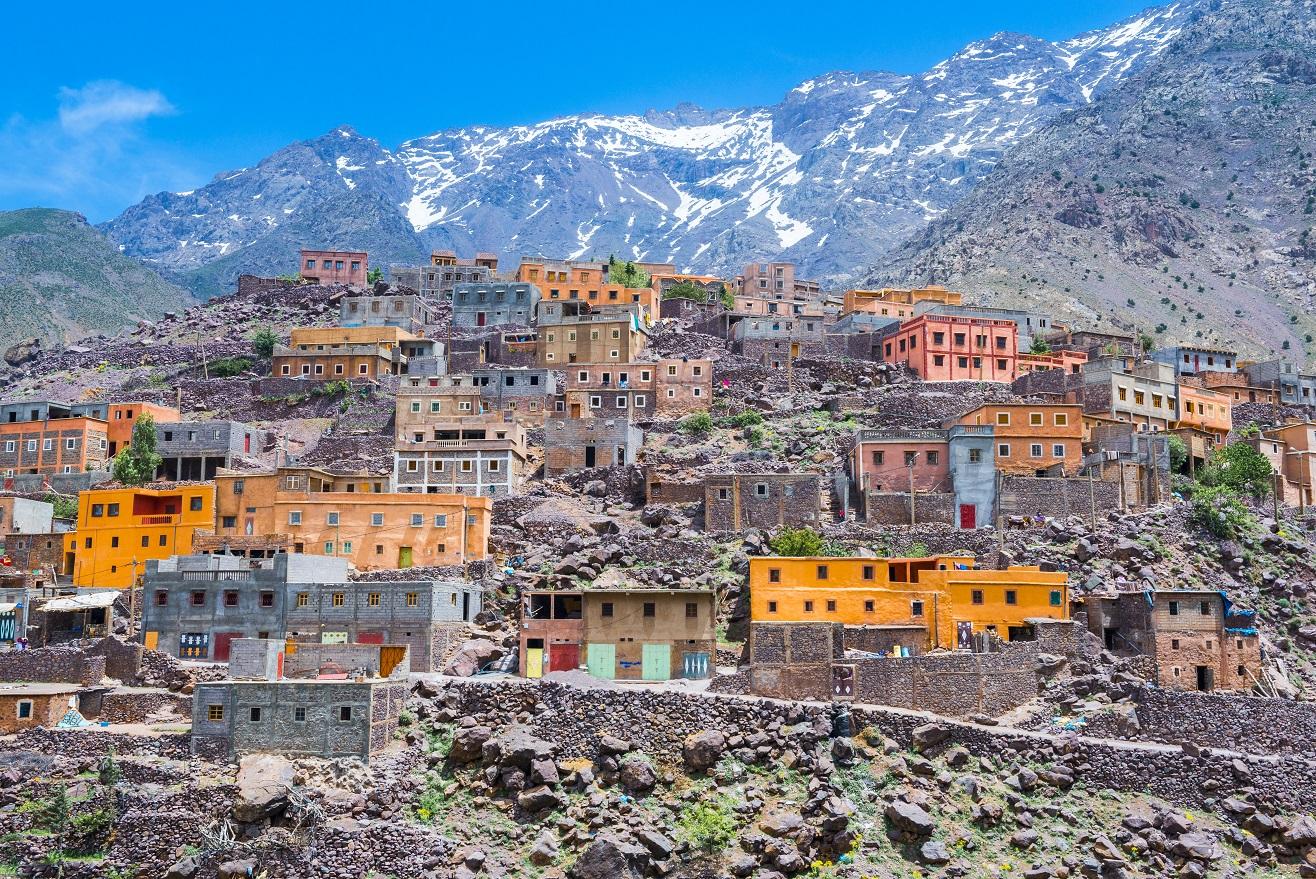
Marrakech is the single best first stop in Morocco for Egyptian travelers: direct flights operate from Cairo, and the medina packs its biggest hits into a walkable 3-to-4-day loop. Jemaa el-Fna square is free to enter and transforms from a food market by day into a full street-show after dark. Bahia Palace costs about 110 MAD entry, Jardin Majorelle runs 170 MAD, and the Saadian Tombs are roughly 110 MAD. Budget travelers can eat a tagine from 30–60 MAD at medina stalls. Plan 3 nights minimum.
Best months: October to April, before summer heat peaks above 40°C. Best for: first-timers, culture, food, and day trips to the Atlas Mountains.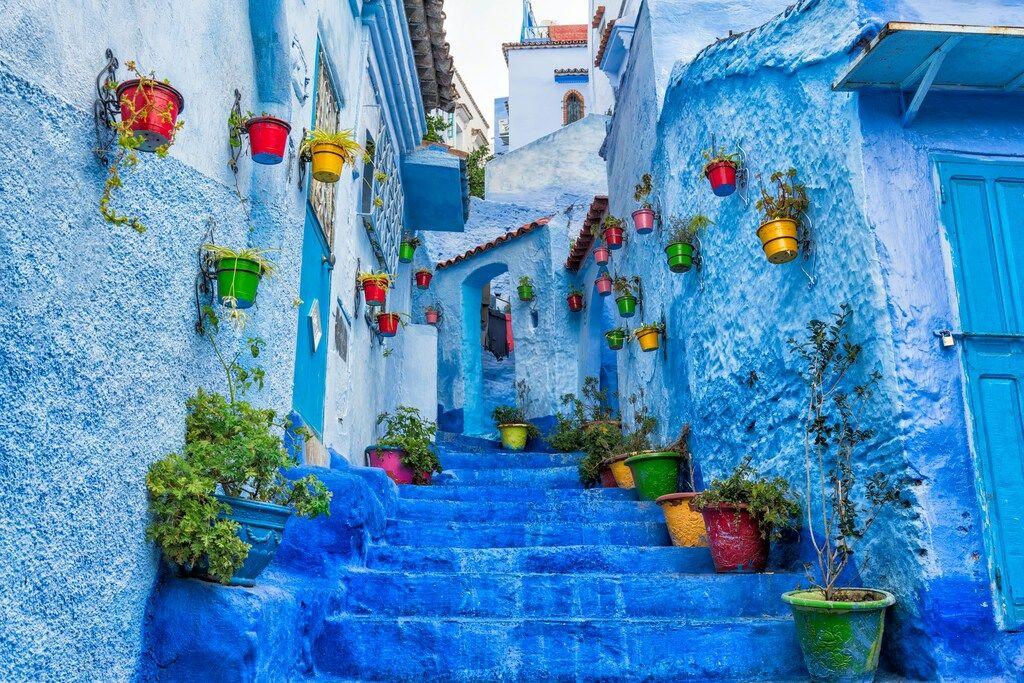
Fes (Fez)
Fes el-Bali, the UNESCO-listed medina, holds over 9,000 narrow alleyways and 200 mosques and remains one of the largest car-free urban areas in the world (per serenitymoroccotours.com, 2026). The Chouara Tanneries have operated since the 11th century: visit in the morning when dye colors are most vivid. Bou Inania Madrasa entry is about 20 MAD. Al-Qarawiyyin, founded in 859 AD, is widely recognized as the world's oldest continuously operating university. Hire a licensed guide through the official Fes tourism office to navigate the labyrinth safely. Allow 2–3 days. Train from Casablanca takes roughly 3 hours. Best for: culture, Islamic architecture, and craft shopping.
Chefchaouen
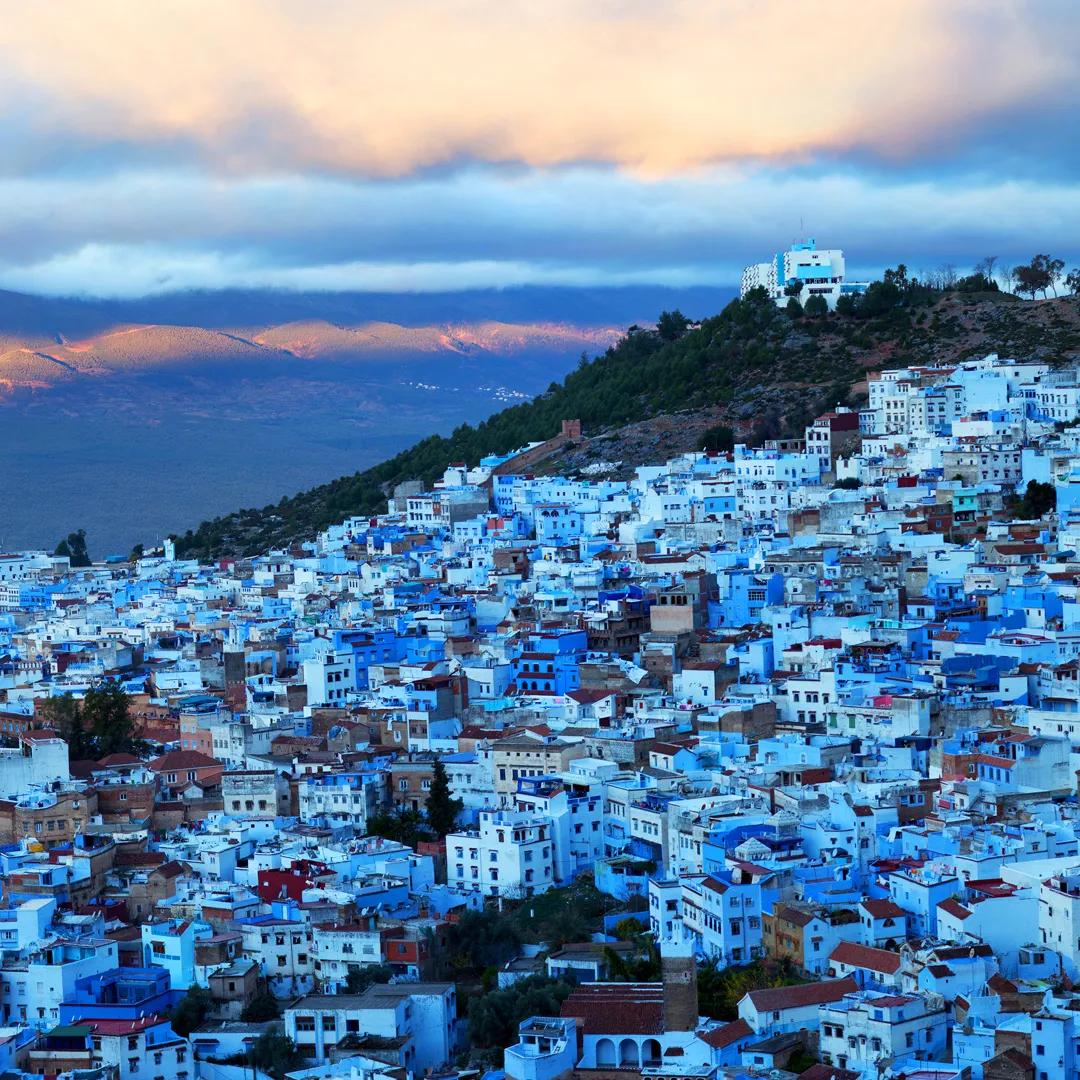
Chefchaouen sits in the Rif Mountains and is Morocco's most photographed city for good reason: every alley in the medina is painted in shades of blue and white. The Kasbah Museum charges 60 MAD entry. Budget daily costs start from roughly 450 MAD per day. A CTM bus from Fes costs 65–80 MAD and takes about 4 hours. Spend 1–2 nights; combine easily with a Fes or Tangier visit on a northern loop. Best time: March to June and September to November, when mountain air stays pleasant.
Best for: photographers, couples, and anyone who wants a slower pace after the imperial cities.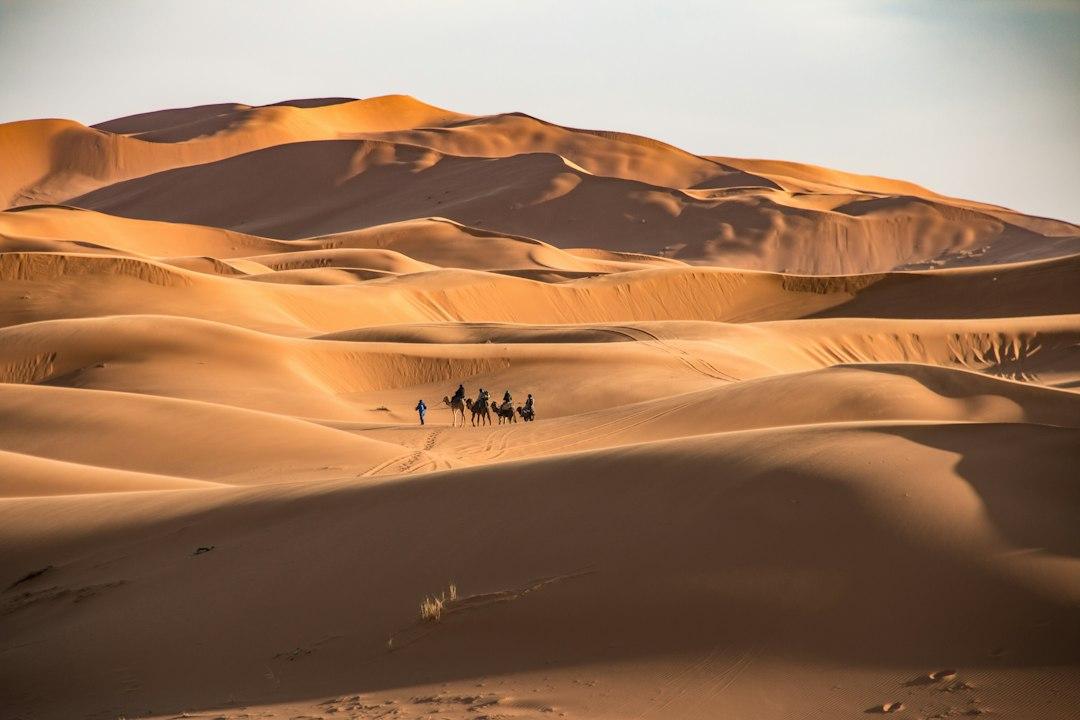
Merzouga and the Sahara Desert (Erg Chebbi)
Merzouga is the gateway to Erg Chebbi, Morocco's most accessible Sahara dune field. A 2-night desert stay buys silence, star-filled skies, and time off the generator grid, far better value than a rushed overnight sprint. Budget daily costs from roughly 800 MAD per day (per topinmorocco.com, 2026). A camel trek to a desert camp followed by sunrise over the dunes is the signature experience. Merzouga is bus-accessible from Marrakech (a 9–10 hour journey) or easily included in a 3-day organized tour from about $100–$250 (per moroccotabiartetours.com cost guide, 2026). Best months: October to April to avoid summer temperatures above 45°C. Best for: adventure travelers and anyone combining with Ait Benhaddou on the southern circuit.
~800 MAD/day; 2–3 day tours from ~$100View on map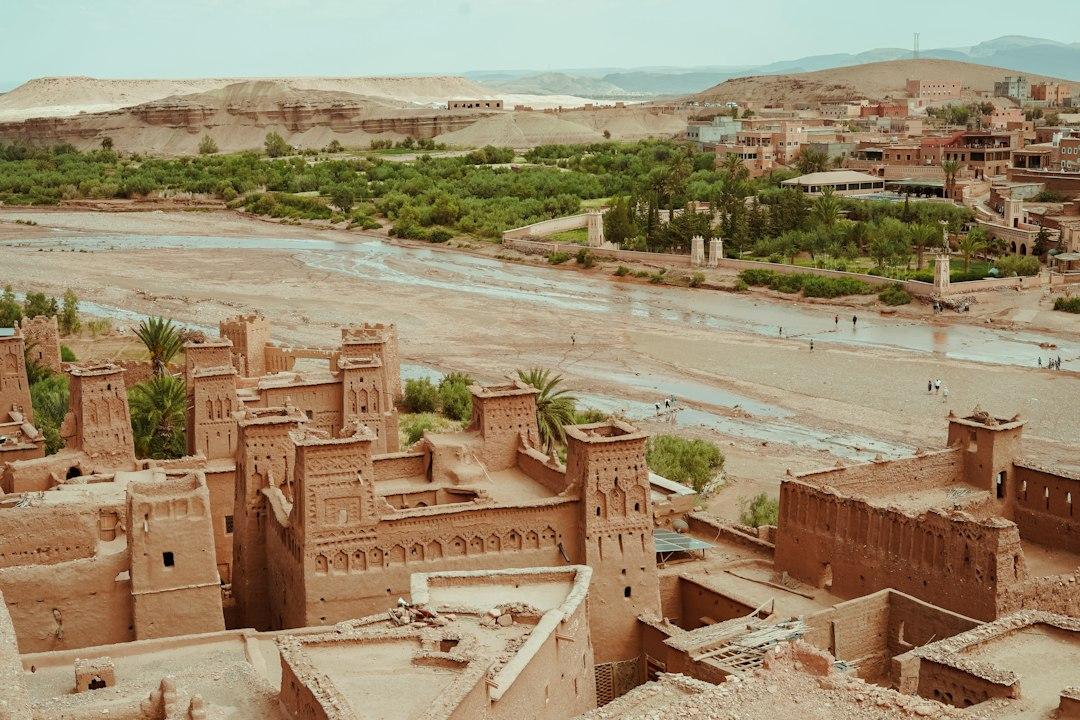
Ait Benhaddou
Ait Benhaddou is a UNESCO World Heritage ksar (fortified village) built from mudbrick on a hillside above the Ounila River, roughly 30 km northwest of Ouarzazate. It served as a filming location for productions including Game of Thrones and Gladiator. Day trips from Marrakech start from about $23–$29 after crossing the 2,260m Tizi n'Tichka mountain pass. Plan 2–3 hours on site. A shared driver from Marrakech runs roughly 900 MAD. Best paired with a Merzouga desert leg on the full southern circuit. Best for: history, photography, and film fans.
Atlas Mountains
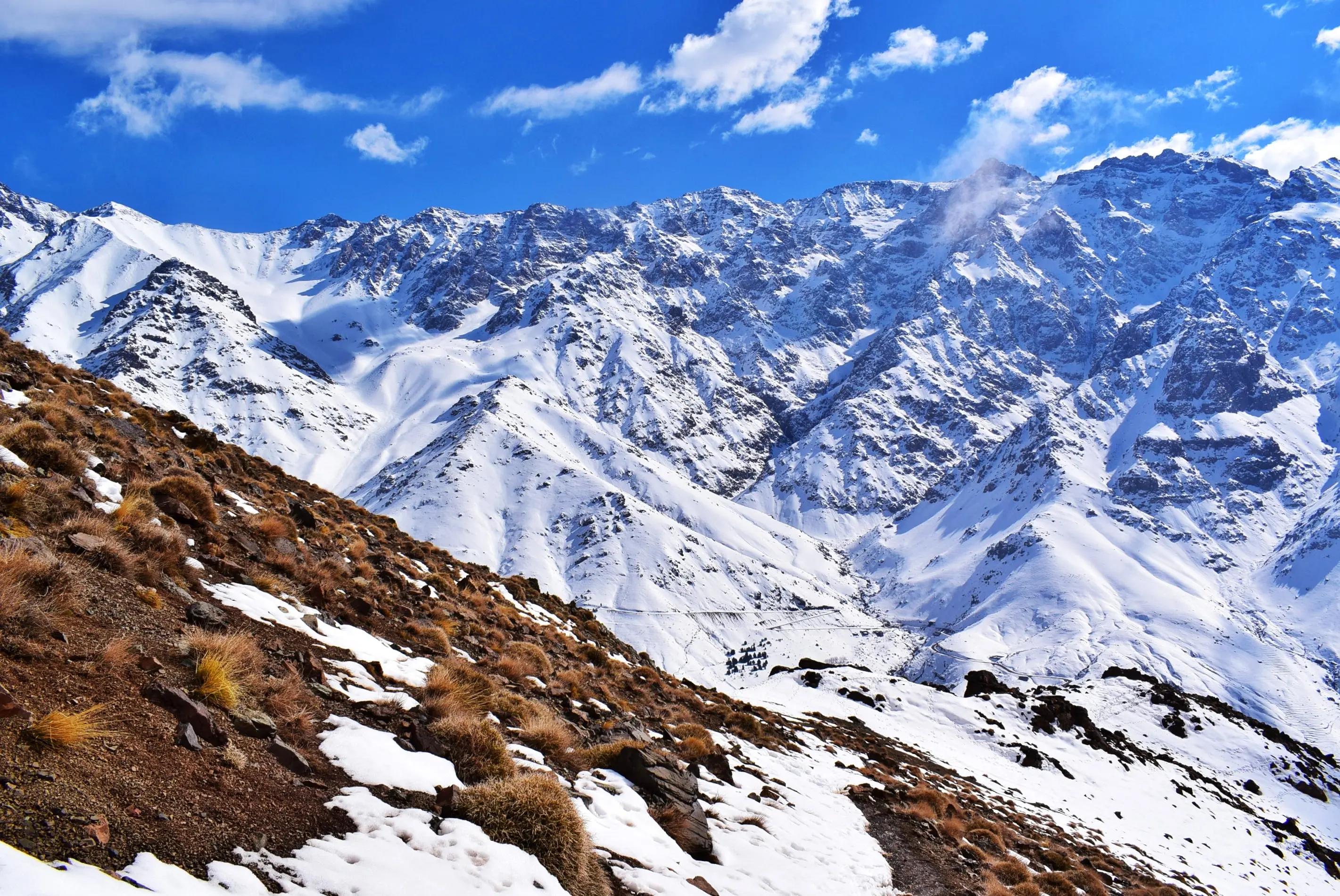
The High Atlas range rises to 4,167m at Jbel Toubkal, North Africa's highest peak, and sits less than an hour's drive from Marrakech. Day-trip options start from about $29 (Ourika Valley with lunch included, per Viator 2026 listings). A guided Toubkal summit takes 2 days and requires basic fitness; budget tour packages from Marrakech start around $34 per day. Trekkers should go April to June or September to October for the best trail conditions. The Tizi n'Tichka pass at 2,260m links Marrakech to Ouarzazate and makes the Atlas a natural part of any southern road trip.
Best for: hikers, road-trippers, and families on day excursions.Day trips from ~$29; multi-day treks from ~$34/dayView on map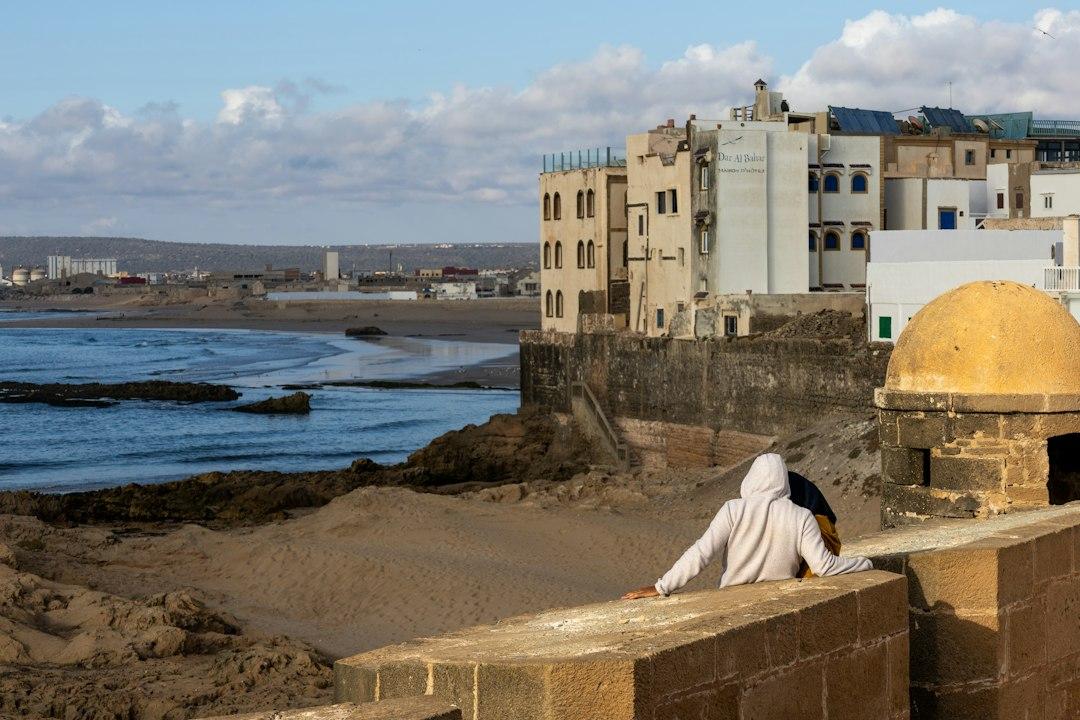
Essaouira
Essaouira is a walled Atlantic port city with a UNESCO-listed medina, a working fishing harbor, and a coastline famous for consistent trade winds that make it one of Africa's top kitesurfing destinations. Budget daily costs start from roughly 550 MAD per day. A coastal day trip from Marrakech costs from about $40–$70, or ride the CTM bus (roughly 90 MAD, 3 hours). Plan 2–3 nights to catch the fish market at dawn and explore the ramparts at sunset. The Gnawa music scene adds a distinct cultural layer. Best time: April to October, outside winter storms.
Best for: beach lovers, food travelers, and anyone who wants ocean air after the interior cities.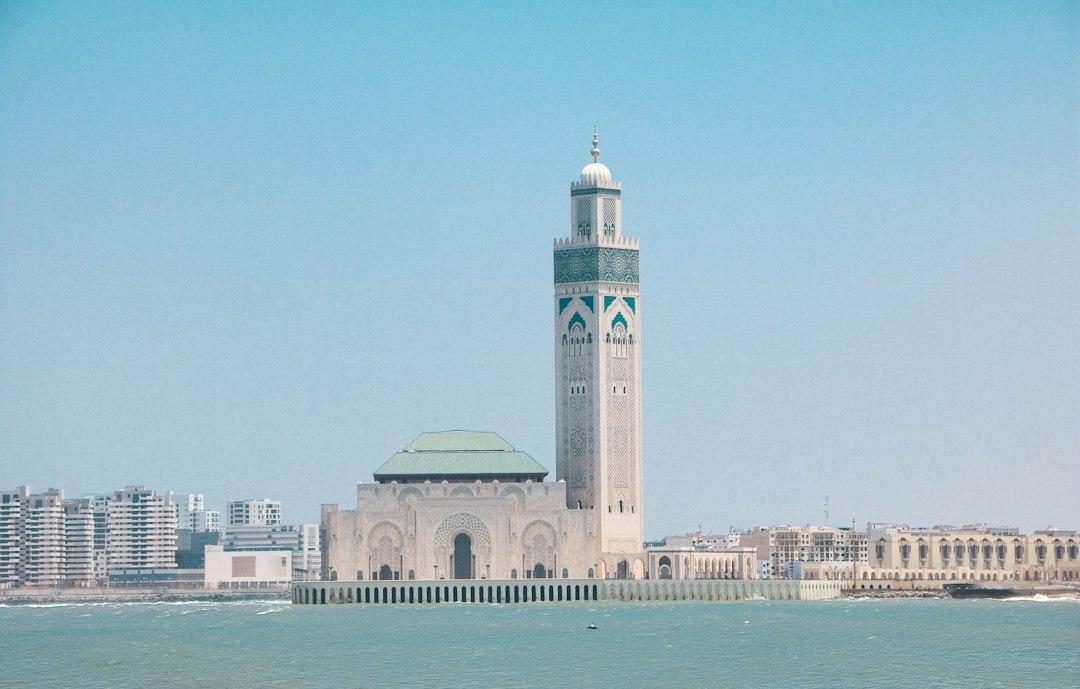
Casablanca
Casablanca is Morocco's commercial capital and the most likely entry point for Egyptian travelers flying in. Its headline attraction is the Hassan II Mosque, the largest mosque in Africa and one of very few in Morocco open to non-Muslim visitors: the guided tour costs roughly 130–140 MAD for foreign adults. The interior holds 25,000 worshippers and features a retractable roof and a glass floor over the ocean. The Old Medina, Quartier des Habous, and the Corniche walkway are all free. The airport train into the city runs about 50 MAD in second class. Allow 1–2 days.
Best for: transit stopovers, architecture, and modern Moroccan city life.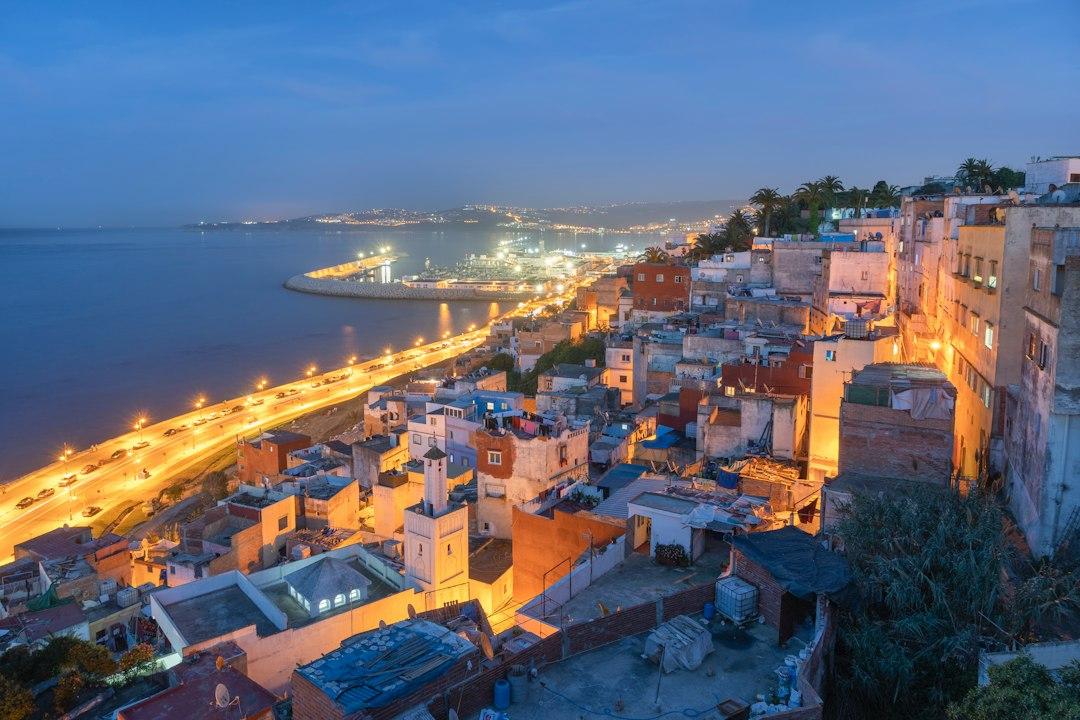
Tangier
Tangier sits where the Atlantic meets the Mediterranean, just 14 km from Spain across the Strait of Gibraltar. The Al Boraq high-speed train connects Tangier to Casablanca in about 2 hours 10 minutes and to Rabat in 1 hour 20 minutes, with first-class tickets running roughly 200–300 MAD. The Kasbah Museum charges 70 MAD entry. The Caves of Hercules, 15 km west of the city, cost 15 MAD to enter and can be combined with a visit to Cap Spartel lighthouse in a single morning. A full day in Tangier comfortably costs under 350 MAD including food and transport. Best time: April to June and September to October. Best for: history fans, those connecting to Spain, and travelers on a northern Morocco circuit.
Rabat
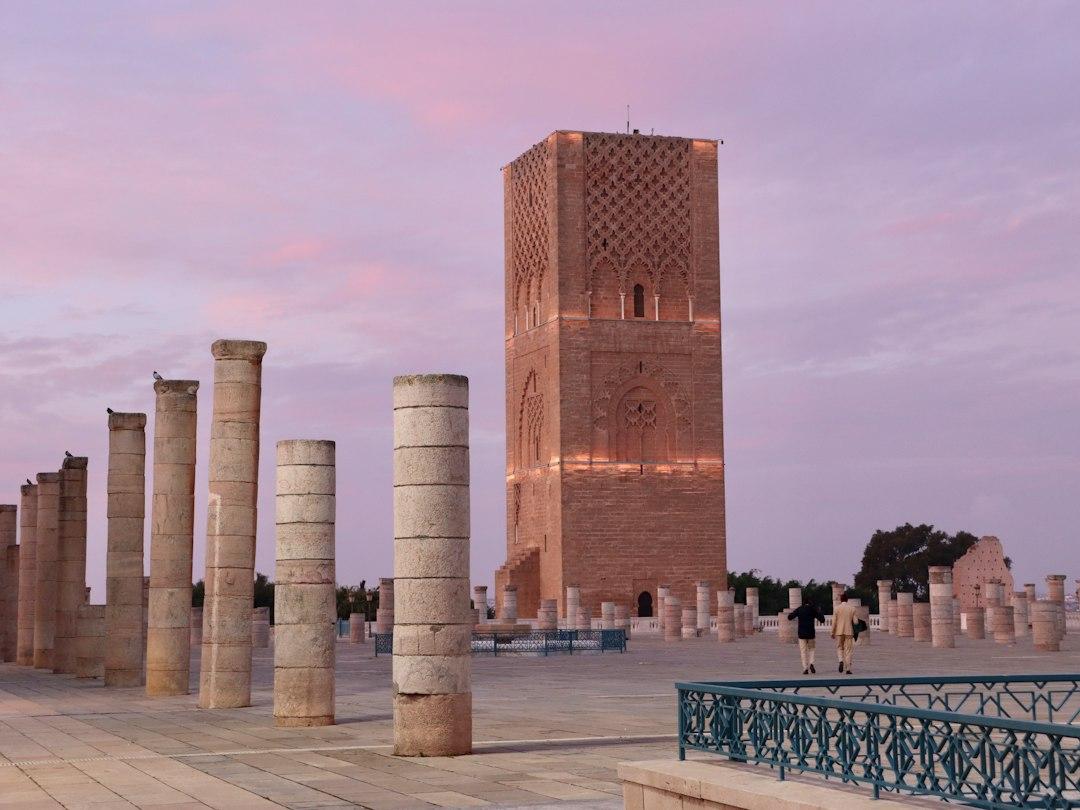
Rabat, Morocco's capital since 1912, holds 4 UNESCO World Heritage Sites including the Medina of Rabat and the Hassan Tower. The city moves at a calmer pace than Marrakech or Fes, making it a good choice for a half-day or full-day stop between Casablanca and Tangier. The train from Casablanca takes about 1 hour and costs 30–50 MAD in second class. The Chellah necropolis, the Kasbah of the Oudayas, and the Royal Palace area are the headline sights. Budget travelers can explore the main sights for under 100 MAD in entrance fees. Best time: March to May or September to November. Best for: history travelers, families, and anyone combining with Casablanca on a 2-city day trip.